
🔍 Read the full analysis: Balsamico Di Modena: Tradizionale Vs IGP And What Each Is For on Mad Tasting
Listen free for 30 days with Audible
Thousands of audiobooks and originals — cancel anytime.
Start your free trialAs an affiliate, we earn on qualifying purchases.
TL;DR
Balsamico di Modena comes in two forms: Tradizionale DOP, aged at least 12 years for finishing dishes, and IGP, a versatile, younger vinegar suitable for everyday cooking. Each serves different culinary needs based on legal standards and aging processes.
The key confirmed development is the clear legal and production distinction between Tradizionale DOP and IGP balsamic vinegar of Modena, which impacts how each is used in cooking and their pricing. This clarification helps consumers and chefs select the right product for specific culinary purposes, as detailed in the original analysis.
Tradizionale Balsamico di Modena DOP is made exclusively from cooked grape must, with no added vinegar or caramel, and must mature for at least 12 years in wooden barrels. It is a concentrated, aromatic condiment reserved for finishing dishes, often used in small amounts to add complex flavor notes such as dried fruit and wood.
In contrast, IGP Balsamico di Modena includes grape must combined with wine vinegar, and can be aged for as little as 60 days. It is a more flexible product, suitable for dressings, marinades, sauces, and everyday cooking, offering bright acidity and fruitiness in larger quantities.
Legal distinctions are strict: DOP (Protected Designation of Origin) certifies traditional methods and long aging, while IGP (Protected Geographical Indication) allows broader ingredient use and shorter aging, leading to different textures, flavors, and price points. A typical DOP bottle is small, highly concentrated, and expensive, while IGP bottles are larger, more affordable, and versatile.
Balsamico di Modena: Tradizionale vs IGP
Two legally distinct products share one famous name. Tradizionale DOP is a 12-year-minimum, barrel-aged concentrate meant for finishing dishes by the drop. IGP is a younger, brighter, more affordable vinegar built for everyday cooking. Knowing the difference changes how — and how much — you use.
Same Name, Different Beasts
The legal framework formalizes centuries of tradition in Modena and Reggio Emilia — but it produces two products with different ingredients, timelines, textures, and price tags.
Tradizionale DOP
A concentrated, aromatic condiment made exclusively from cooked grape must — no added vinegar, no caramel — matured in a series of wooden barrels.
- Ingredients: cooked grape must only
- Aging: minimum 12 years in wood
- Use: finishing, in small amounts
- Flavor: dried fruit, wood, complexity
- Format: small bottle, high price
- Categories: Invecchiato (12+), Extravecchio (25+)
Balsamico di Modena IGP
A flexible, everyday vinegar combining grape must with wine vinegar — bright, fruity, and suited to larger quantities in the kitchen.
- Ingredients: grape must + wine vinegar
- Aging: as little as 60 days
- Use: dressings, marinades, sauces, cooking
- Flavor: bright acidity, fruitiness
- Format: larger bottle, affordable
- Role: the workhorse of the pantry
Side-by-Side Comparison
What the labels actually guarantee — and where the two designations diverge.
| Attribute | Tradizionale DOP | Balsamico IGP |
|---|---|---|
| Grape must only | ✓ Yes — exclusively | ~ Blended with wine vinegar |
| Wood barrel aging | ✓ 12+ years mandatory | ~ Optional, from 60 days |
| Added caramel | ✗ Forbidden | ~ Permitted |
| Best as finishing condiment | ✓ Ideal | ~ Only premium versions |
| Everyday cooking | ✗ Too costly | ✓ Ideal |
| Price point | ✗ Very high | ✓ Affordable |
| Official certification seal | ✓ Rigorous, numbered | ✓ Standard IGP label |
Why DOP Costs So Much
Time in wood is the decisive variable. Years of evaporation shrink each barrel to a tiny, concentrated yield — which the price reflects.
Illustrative timeline · aging requirements per EU protected-status regulations
From Family Tradition to EU Law
Italy’s protected food laws preserve regional authenticity. The IGP designation came first, permitting broader ingredients and shorter maturation for commercial scale. The DOP label, introduced in the 1990s, locked in the artisanal standard: cooked grape must alone, and long aging in wooden barrels.
🍇 Harvest & Cook
Grapes of Modena and Reggio Emilia are pressed; the must is slowly cooked down.
🛢️ Barrel Battery
The must matures through a series of progressively smaller wooden barrels.
⏳ Long Maturation
Evaporation concentrates the product — at least 12 years for DOP status.
🏷️ Certified Label
Official DOP or IGP certification seals the product’s legal identity.
Terms like “aged” or “premium” on a label carry no legal weight on their own. Only the official DOP or IGP certification verifies what’s in the bottle — a key defense against misleading marketing of IGP products with uncertified aging claims.
Choosing the Right Bottle
The practical answers consumers and chefs ask most.
Can IGP be used as a finishing condiment like DOP?
Some high-quality IGP vinegars are dense enough to finish dishes — but DOP is preferred for its concentrated aroma and complexity. IGP shines in dressings, marinades, and cooking.
Why is DOP so expensive?
Twelve-plus years of aging, major evaporation loss, strict production standards, and a small final yield — all concentrated into each tiny bottle.
Are all labeled products authentic?
No. Some products use similar terminology without meeting legal standards. Look for official certification labels, especially for DOP.
Can IGP substitute for DOP in recipes?
Yes — for salads, marinades, and sauces. For finishing where concentrated aroma matters, DOP remains the choice.
How do I verify true long aging?
Look for official DOP labeling certifying 12+ years, or aging categories: Invecchiato (at least 3 years for IGP) or Extravecchio (25+ years for DOP).
What comes next?
Regulators are expected to tighten labeling enforcement, consumer education campaigns will raise awareness, and producers will adopt clearer packaging to keep DOP and IGP distinct.
Implications for Culinary Use and Consumer Choice
Understanding these differences allows consumers and chefs to select the appropriate balsamic vinegar for specific dishes, optimizing flavor and cost. Recognizing the legal and production distinctions also clarifies why prices vary so significantly and helps prevent mislabeling or misuse of the terms. This knowledge enhances appreciation of quality and authenticity in Italian culinary traditions, ensuring that each product is used to its best purpose, whether as a finishing touch or a cooking ingredient.As an affiliate, we earn on qualifying purchases.
Legal and Historical Foundations of Balsamico Classifications
The distinction between Tradizionale DOP and IGP balsamic vinegar stems from Italy’s protected food laws, designed to preserve regional authenticity and quality. The DOP label, introduced in the 1990s, enforces strict production standards, including the exclusive use of cooked grape must and lengthy aging in wooden barrels. The IGP designation, established earlier, permits broader ingredient use and shorter maturation, reflecting a more flexible approach suited for commercial and everyday use.
Historically, traditional balsamic vinegar has been produced in Modena and Reggio Emilia for centuries, with specific production techniques passed down through generations. The modern legal framework formalized these practices, ensuring consumers can distinguish between artisanal, aged products and more accessible, younger vinegars. Recent clarifications aim to prevent confusion, especially as some producers label products with terms like “aged” or “premium” without meeting legal standards.
As an affiliate, we earn on qualifying purchases.
Remaining Questions About Labeling and Market Practices
While the legal definitions are clear, there are ongoing issues with mislabeling or products claiming to be aged or premium without meeting standards. The extent of non-compliance and how effectively enforcement is carried out remains uncertain. Additionally, some producers may blur lines by marketing IGP products with aging claims that are not legally certified, leading to consumer confusion.
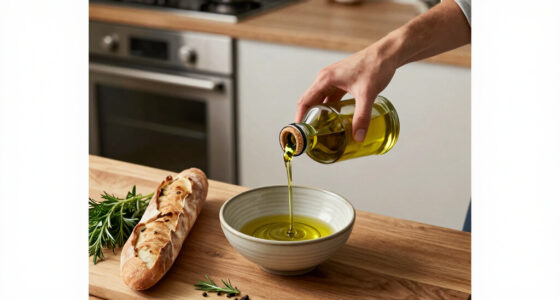
aged balsamic vinegar for finishing dishes
As an affiliate, we earn on qualifying purchases.
As an affiliate, we earn on qualifying purchases.
Future Regulatory Clarifications and Consumer Education Efforts
Regulatory bodies are expected to enhance monitoring and enforcement of labeling standards to prevent misleading claims. Consumer education campaigns are also likely to increase awareness about the differences between Tradizionale DOP and IGP balsamic vinegar, helping buyers make informed decisions. Additionally, producers may adopt clearer packaging and labeling practices to distinguish their products more transparently.
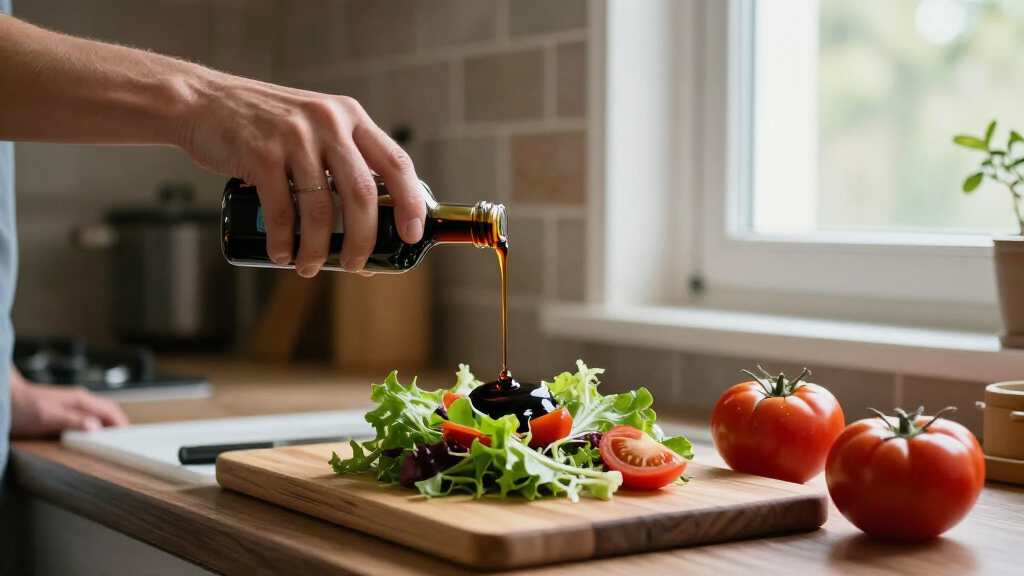
balsamic vinegar for dressings and marinades
As an affiliate, we earn on qualifying purchases.
As an affiliate, we earn on qualifying purchases.
Key Questions
Can IGP balsamic vinegar be used as a finishing condiment like DOP?
While some high-quality IGP balsamic vinegars can be dense and flavorful enough for finishing, traditionally, DOP is preferred for that purpose due to its concentrated aroma and complex flavor profile. IGP is generally better suited for dressings, marinades, and cooking.
Why is DOP balsamic vinegar so expensive?
DOP balsamic vinegar costs more because it requires at least 12 years of aging, involves significant evaporation loss, and adheres to strict production standards, including the exclusive use of cooked grape must and wooden barrel maturation. This process results in a small yield but a highly concentrated, aromatic product.
Is all balsamic vinegar labeled as IGP or DOP authentic?
No. Some products may use similar terminology without meeting the legal standards. Consumers should look for official labels and certifications to verify authenticity, especially for DOP products, which have more rigorous production requirements.
Can I use IGP balsamic vinegar as a substitute for DOP in recipes?
Yes, for many everyday dishes like salads, marinades, and sauces, IGP balsamic vinegar can be an effective substitute. However, for finishing dishes where a concentrated aroma is desired, DOP is preferred.
How can I tell if a balsamic vinegar is truly aged for many years?
Look for official DOP labeling, which certifies that the vinegar has been aged for at least 12 years. The packaging may also specify the aging category, such as ‘Invecchiato’ (aged at least 3 years) or ‘Extravecchio’ (at least 25 years).
Source: Mad Tasting
NFL season / tailgating Picks
team gear
As an affiliate, we earn on qualifying purchases.