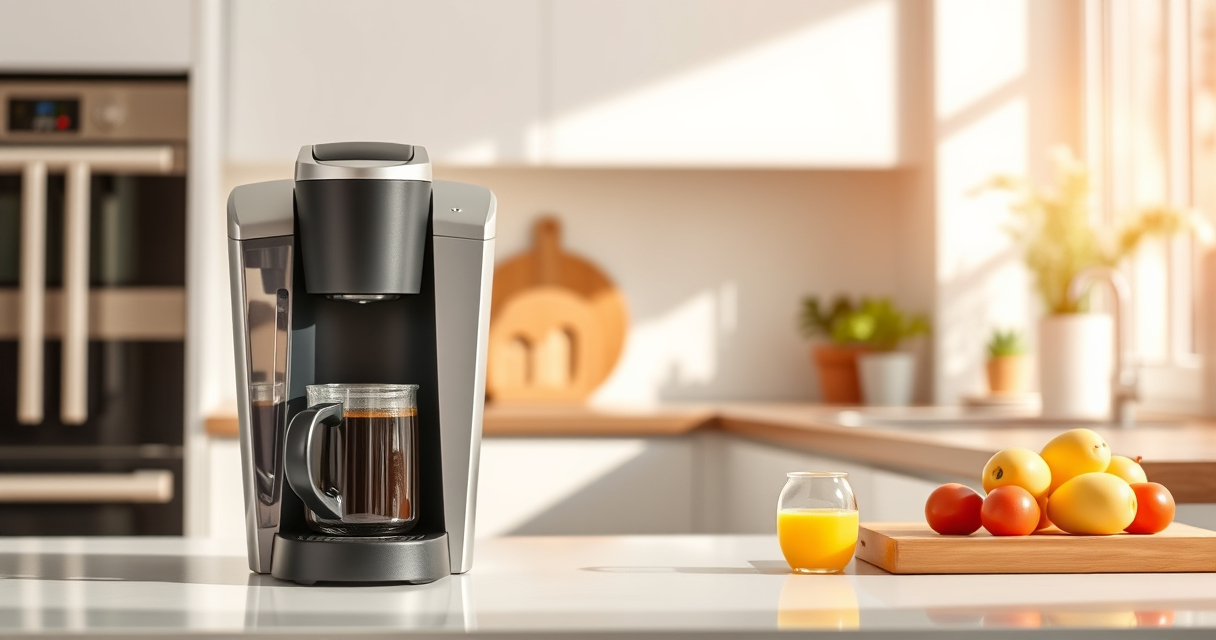

If your Keurig K-Mini Single Serve Coffee Maker isn’t brewing a full cup, it can be frustrating. This guide provides practical, step-by-step solutions to identify and fix common issues, ensuring you enjoy your coffee just the way you like it.
Follow these instructions carefully to resolve the problem safely and efficiently, restoring your brewer to optimal performance.
Key Takeaways
| Common Cause | Mineral buildup can restrict water flow. |
| Important Step | Regular descaling is essential for maintenance. |
| Quick Fix | Check and adjust the water reservoir. |
| Preventative Tip | Use filtered water for longer-lasting performance. |

Keurig K-Mini Single Serve K-Cup Pod Coffee Maker, 6 to 12oz Brew size, with Cord Storage, Perfect for Small Spaces, Black
FITS ANYWHERE: Less than 5 inches wide, perfect for small spaces.
As an affiliate, we earn on qualifying purchases.
Check the Water Reservoir
- Ensure the water reservoir is filled to the desired level, at least enough for a full cup.
- Remove the reservoir and rinse it thoroughly to clear any blockages or debris.
- Reinstall the reservoir securely, making sure it’s seated properly.
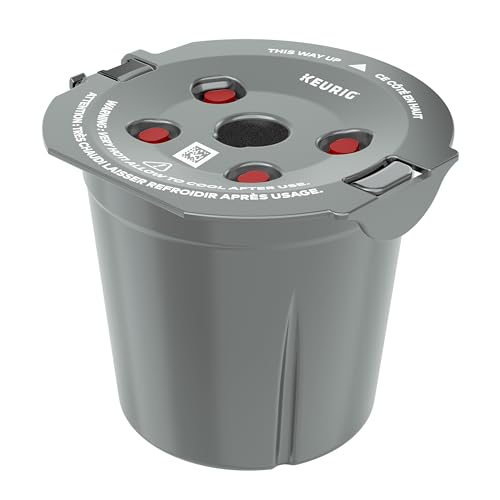
My K-Cup® Reusable Coffee Filter
BREW WITH GROUND COFFEE: Brew a single cup using your own favorite ground coffee
As an affiliate, we earn on qualifying purchases.
Inspect the Needle and Brew Path
- Turn off the machine and unplug it for safety.
- Open the lid and carefully examine the needle for clogs or coffee grounds.
- Use a paperclip or the Keurig tool to gently clear any blockages.
- Run a water-only brew cycle to verify water flows freely.
Descale the Coffee Maker
Mineral deposits can hinder water flow and reduce brew volume. Use a descaling kit or a mixture of equal parts white vinegar and water. Follow these steps:
- Fill the reservoir with the descaling solution.
- Run a brew cycle without a K-Cup, discarding the liquid.
- Repeat until the reservoir is empty.
- Rinse thoroughly with fresh water by running multiple brew cycles.
Adjust Brew Size and Settings
Verify you’re selecting the correct brew size (6-12oz) and that the settings are properly configured. Sometimes, an incorrect setting results in a smaller brew.
Ensure the brew size is set to your preferred amount and that no programming issues are present.
Perform Routine Maintenance
- Clean the drip tray and exterior regularly.
- Use filtered water if possible to reduce mineral buildup.
- Consider replacing water filter cartridges every 2-3 months for optimal performance.
The Products in This Guide
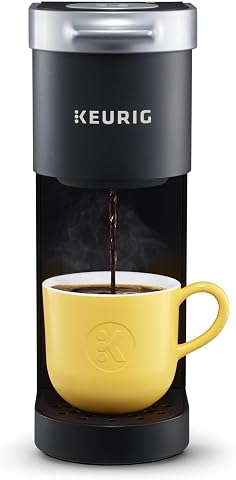
Keurig K-Mini Single Serve K-Cup Pod Coffee Maker
- ✔ Capacity: 6-12oz
- ✔ Dimensions: Less than 5 inches wide
- ✔ Features: Removable drip tray, Cord storage
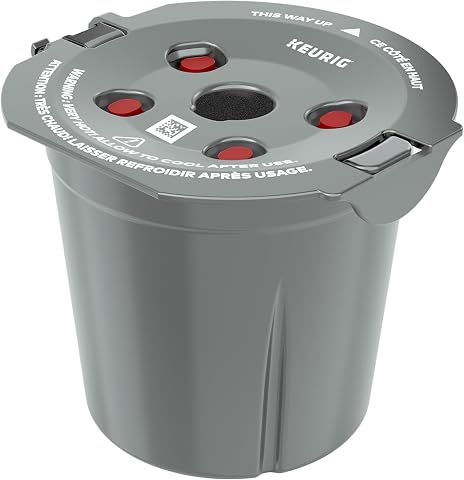
My K-Cup® Reusable Coffee Filter
- ✔ Use: Ground coffee
- ✔ Compatibility: K-Mini, others
- ✔ Material: Plastic
Keurig K-Mini Single Serve K-Cup Pod Coffee Maker
The Keurig K-Mini is a compact and efficient single-serve coffee maker designed for small spaces. Its simple design and quick brew make it a popular choice, but regular maintenance is key to preventing brewing issues.
Pros:
- Fits easily in small kitchens or offices
- Brews quickly within minutes
- Removable drip tray for travel mugs
- Energy-efficient auto-off
Cons:
- Limited to 6-12oz brew sizes
- Requires regular descaling
- No water filter included
Best for: Small spaces and quick, single cups
Not ideal for: Large volume brewing or multiple cups at once
Bottom line: A compact, reliable choice for quick coffee in small spaces.
My K-Cup® Reusable Coffee Filter
The My K-Cup® Reusable Coffee Filter allows you to brew with your favorite ground coffee, adding flexibility to your Keurig experience. It’s compatible with the K-Mini and other models, making it a practical upgrade.
Pros:
- Use your preferred ground coffee
- Cost-effective over K-Cup pods
- Easy to clean and reuse
- Compatible with multiple Keurig models
Cons:
- Requires grinding your own beans
- Slightly more cleanup
- Not for those seeking convenience
Best for: Ground coffee lovers wanting customization
Not ideal for: If you prefer quick K-Cup convenience
Bottom line: An excellent addition for brewing ground coffee with your Keurig.
Frequently Asked Questions
Why is my Keurig not brewing a full cup?
Common causes include mineral buildup, clogged needles, or incorrect water reservoir placement. Follow the troubleshooting steps to resolve these issues.
How often should I descale my Keurig?
It’s recommended to descale every 3-6 months, especially if you notice reduced brew volume or slower brewing times.
Can I use my own ground coffee in the Keurig?
Yes, with the My K-Cup® Reusable Coffee Filter, you can brew your favorite ground coffee instead of using K-Cup pods.
What safety precautions should I take during cleaning?
Always unplug the machine before cleaning or descaling. Avoid using harsh chemicals and ensure all parts are dry before reassembling.
Keep Your Keurig Brewing Perfectly Every Time
Regular maintenance and careful troubleshooting can prevent many common issues with your Keurig K-Mini. By following these steps, you can ensure your coffee maker continues to brew full cups and delivers fresh, delicious coffee each time.
Always use quality water, clean the machine periodically, and replace parts as needed for optimal performance. Enjoy your perfect cup of coffee!
Affiliate disclosure: As an Amazon Associate we earn from qualifying purchases. Prices and availability are accurate as of the time of publishing.