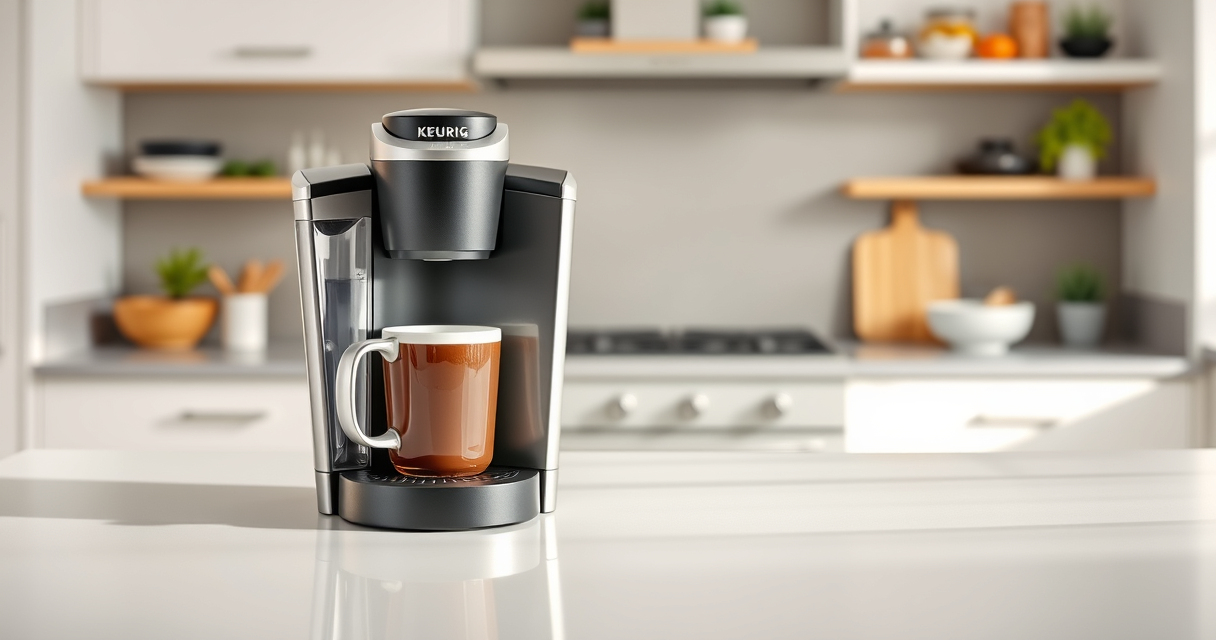

Regular cleaning of your Keurig K-Cafe ensures it brews delicious coffee and maintains its longevity. Proper maintenance prevents buildup of mineral deposits, flavor carry-over, and residue that can affect taste and machine function. This guide provides clear, safe steps to effectively clean your Keurig K-Cafe.

Get kitchen gear delivered free — and shop member deals
- Fast, free delivery on millions of items
- Access to Prime Big Deal Days deals on October 6–7
- Prime Video, Amazon Music and more included
Follow these instructions to keep your coffee maker in top shape and enjoy fresh, flavorful brews every time.
Key Takeaways
| Regular Cleaning | Prevents mineral buildup and flavor carry-over. |
| Descaling Frequency | Descale every 3-6 months or as needed. |
| Use Rinse Pods | Removes oils and residue effectively. |
| Avoid Harsh Chemicals | Use approved descaling solutions and rinse thoroughly. |
Gather Your Cleaning Supplies
- Descaling solution (recommended: Keurig Descale Solution)
- Clean, damp cloth or sponge
- Fresh water
- Rinse pods (if applicable)
Empty and Clean the Water Reservoir
Remove the water reservoir from your Keurig K-Cafe. Empty any remaining water and wash the reservoir with warm, soapy water. Rinse thoroughly and dry before refilling with fresh water for descaling.
Descale the Machine
- Pour the descaling solution into the water reservoir according to the package instructions.
- Fill the reservoir with water if needed.
- Place a large mug or container on the drip tray.
- Run a brewing cycle without a K-Cup, allowing hot water and descaling solution to pass through. Repeat until the reservoir is empty.
- Let the machine sit for 30 minutes, then rinse the reservoir and refill with clean water.
- Run multiple brewing cycles with just water to flush out any remaining descaling solution.
Clean the Brew Head and Drip Tray
Remove and wash the drip tray and any removable parts with warm, soapy water. Wipe the brew head and surrounding area with a damp cloth to remove any coffee oils or residue.
Use Rinse Pods for Maintenance
Insert a Keurig rinse pod or run hot water cycles to clear oils and flavor residues from the internal components. Repeat as needed to ensure a clean brewing pathway.
The Products in This Guide
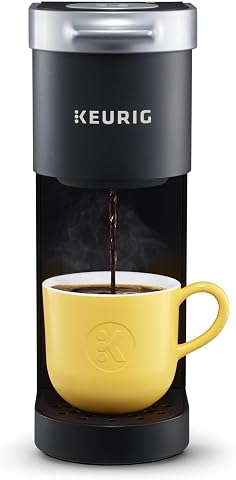
Keurig K-Mini Single Serve K-Cup Pod Coffee Maker
- ✔ Size: Less than 5 inches wide
- ✔ Brew Size: 6-12oz
- ✔ Material: Matte finish
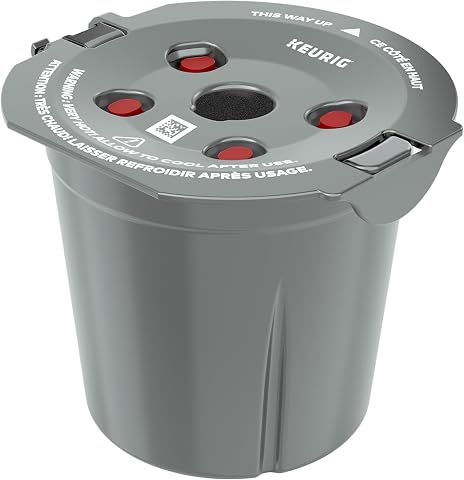
My K-Cup® Reusable Coffee Filter
- ✔ Compatibility: Keurig K-Cafe
- ✔ Material: BPA-free plastic
- ✔ Capacity: Single serve
Keurig K-Mini Single Serve K-Cup Pod Coffee Maker
The Keurig K-Mini Single Serve Coffee Maker is compact, efficient, and simple to clean, making it ideal for small spaces. Regular cleaning with descaling and rinse cycles keeps it performing at its best.
Pros:
- Compact size fits small spaces
- Easy to clean and maintain
- Fast brewing time
- Compatible with reusable filters
Cons:
- Limited water reservoir capacity
- No built-in descaling indicator
- Requires frequent refilling for high usage
Best for: Small kitchens, offices, travel
Not ideal for: Large coffee households or frequent heavy use
Bottom line: Keep your Keurig K-Mini performing flawlessly with regular cleaning and descaling.
My K-Cup® Reusable Coffee Filter
The My K-Cup® Reusable Coffee Filter allows you to brew your favorite ground coffee, reducing waste and ensuring fresh flavor. It’s compatible with your Keurig K-Cafe and makes cleaning easier by eliminating residual oils from K-Cups.
Pros:
- Reusable and eco-friendly
- Compatible with Keurig K-Cafe
- Enhances flavor extraction
- Easy to clean
Cons:
- Requires ground coffee
- Slightly more time to brew
- Needs regular cleaning
Best for: Brewing ground coffee conveniently
Not ideal for: Using pre-packaged K-Cups exclusively
Bottom line: A versatile reusable filter that complements regular cleaning for better coffee.
Frequently Asked Questions
How often should I descale my Keurig K-Cafe?
It is recommended to descale every 3-6 months, or more frequently if you notice mineral buildup or changes in coffee taste.
Can I use vinegar instead of descaling solution?
While vinegar can be used as a DIY descaling alternative, Keurig recommends using their approved descaling solutions for best results and to avoid damage.
How do I know when to clean my coffee maker?
Signs include slower brewing times, strange coffee taste, or visible mineral deposits. Regular maintenance prevents these issues.
Is it safe to run hot water cycles without a K-Cup?
Yes, running hot water cycles without a K-Cup is a safe way to flush the machine and clean the internal components.
Keep Your Coffee Fresh and Your Keurig Happy
Regular cleaning and descaling are key to maintaining the performance and longevity of your Keurig K-Cafe. Follow this guide to ensure every brew tastes as fresh as the first, and enjoy your coffee without worries about buildup or flavor transfer.
Affiliate disclosure: As an Amazon Associate we earn from qualifying purchases. Prices and availability are accurate as of the time of publishing.
Fall Picks
fall essentials
As an affiliate, we earn on qualifying purchases.