When evaluating steel claims on knife product pages, check for specific details like steel grade, composition, and standards, which reveal its hardness, corrosion resistance, and edge retention. Look for information on heat treatments and manufacturing processes, as these impact durability and flexibility. Be cautious of vague or exaggerated claims; instead, focus on verified data. To understand how these factors influence performance and make a smart choice, keep exploring the key aspects that define quality steel.

Get kitchen gear delivered free — and shop member deals
- Fast, free delivery on millions of items
- Access to Prime Big Deal Days deals on October 6–7
- Prime Video, Amazon Music and more included
Key Takeaways
- Verify the steel grade or standard specified to understand alloy composition and intended performance.
- Check for detailed information on steel treatment processes like quenching and tempering.
- Assess manufacturing methods such as forging or stamping, which impact durability and strength.
- Look for steel analysis data confirming alloying elements and quality control measures.
- Compare claims with known steel types (e.g., high-carbon, stainless) to gauge suitability for your needs.
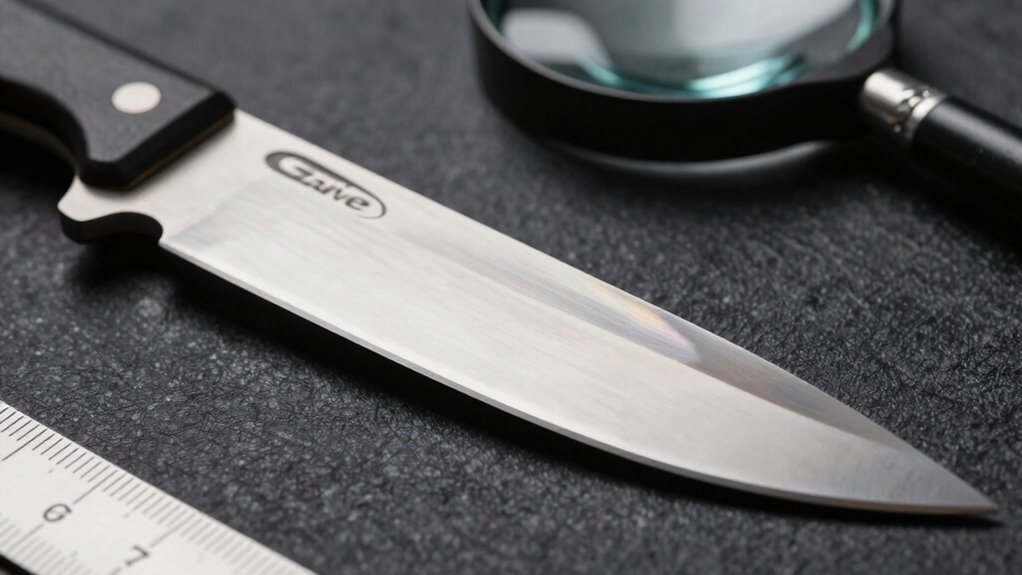
When shopping for a knife, you’ll often see manufacturers boast about the steel used in their blades. This is because steel quality directly impacts the knife’s performance, durability, and lifespan. But to truly understand what they’re claiming, you need to look beyond the marketing and examine the details. One of the first things to weigh is the metal alloy composition. Different steel types contain varying amounts of carbon, chromium, vanadium, and other elements that influence hardness, corrosion resistance, and edge retention. For example, high-carbon steels are known for their sharpness and ease of sharpening, but they may require more maintenance to prevent rust. On the other hand, stainless steels offer better corrosion resistance but might not hold an edge as long. Recognizing these differences helps you gauge whether a particular steel suits your needs. Additionally, understanding steel grade or standard can provide further insight into its qualities and intended use. It’s also helpful to consider steel treatment processes, as these can significantly alter the steel’s final properties. Proper heat treatment can enhance the steel’s strength and flexibility, making a noticeable difference in performance. Furthermore, knowing about steel composition analysis can help you better interpret the specific qualities of a steel type. For example, metal analysis can reveal the precise levels of alloying elements that impact the blade’s characteristics. Next, pay attention to the manufacturing processes involved. The way steel is processed—such as forging versus stamping, or heat treatment methods—can considerably affect the final product. Forged blades tend to be stronger and more durable because they are shaped from a single piece of steel, which aligns the grain structure and eliminates weak points. Heat treatment, including quenching and tempering, determines the hardness and flexibility of the blade. Manufacturers that specify their processes often produce a more reliable product because they’ve invested in proper techniques to optimize steel properties. If a product page highlights particular manufacturing steps, it’s usually a good sign that the knife has been crafted with quality control in mind.
As an affiliate, we earn on qualifying purchases.
Frequently Asked Questions
Are All Steel Grades Suitable for Every Knife Type?
Not all steel grades suit every knife type. You need to evaluate blade flexibility and corrosion resistance for your specific use. For example, high-carbon steels offer sharpness but may lack corrosion resistance, making them less ideal for wet environments. Conversely, stainless steels excel in corrosion resistance and durability but may compromise some flexibility. Choosing the right steel depends on your needs, balancing these factors for ideal performance.
How Does Steel Composition Affect Knife Performance?
Steel composition shapes your knife’s performance like a dance between strength and resilience. When steel hardness is high, your blade slices effortlessly, but it might be more brittle. Conversely, better corrosion resistance keeps your knife looking fresh, even in humid kitchens. Balancing these factors, you get a knife that stays sharp longer and resists rust, ensuring reliable cuts and a lasting edge, much like a well-choreographed performance.
Can Steel Claims Be Verified Through Independent Testing?
Yes, steel claims can be verified through independent testing. You can look for reputable third-party organizations that perform steel testing and certification, which provide unbiased verification of a knife’s steel quality and composition. By checking for these independent verifications, you guarantee the claims made by manufacturers are accurate. This process helps you make informed decisions and avoid misleading marketing, ultimately guaranteeing you get a knife that meets your expectations.
What Are the Common False Claims Made About Steel Quality?
You should be aware of common steel myths and manufacturing tricks that lead to false claims about steel quality. Manufacturers often exaggerate hardness, corrosion resistance, or edge retention to make their knives seem superior. They may also use misleading terms or vague descriptions. Always question vague claims and look for independent testing, as these myths and tricks can make low-quality steel appear premium, tricking you into making a poor purchase.
How Often Should Steel Quality Be Reassessed in Knives?
You should reexamine steel durability and your knife’s steel quality every 1-2 years, especially if you use it frequently or notice signs of wear. Regular reexamination frequency ensures your knife stays sharp and safe to use. Don’t wait for visible damage—by periodically checking, you can catch issues early, maintain ideal performance, and extend your knife’s lifespan. This proactive approach keeps you confident in your cutlery’s strength and reliability.
As an affiliate, we earn on qualifying purchases.
Conclusion
By mastering how to evaluate steel claims on knife product pages, you become a true sword-slinger in the world of cutlery. Don’t fall for exaggerated claims—your eyes and research are your best weapons. Remember, a well-informed buyer can slice through marketing hype like a hot knife through butter. So, stay sharp, ask the right questions, and choose a steel that’ll serve you better than King Arthur’s legendary Excalibur!
As an affiliate, we earn on qualifying purchases.
As an affiliate, we earn on qualifying purchases.
Fall Picks
fall essentials
As an affiliate, we earn on qualifying purchases.