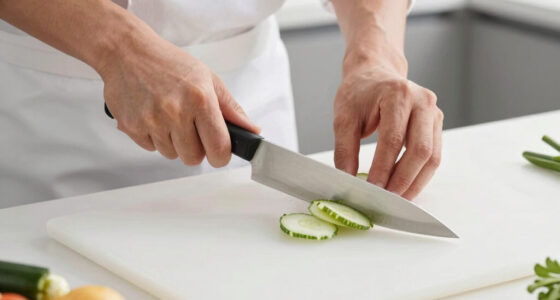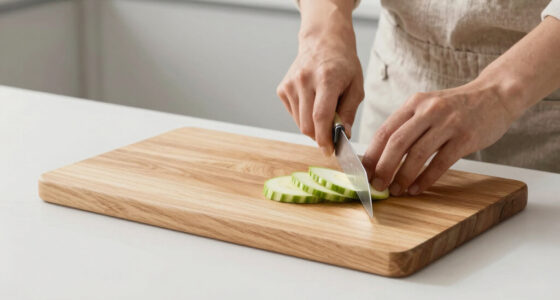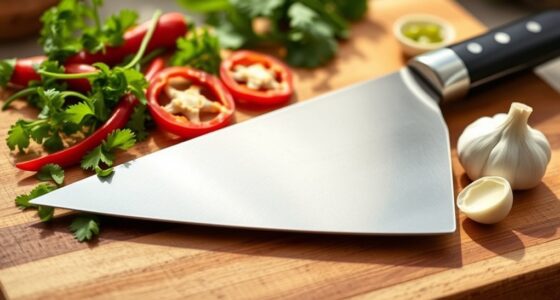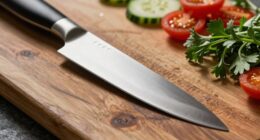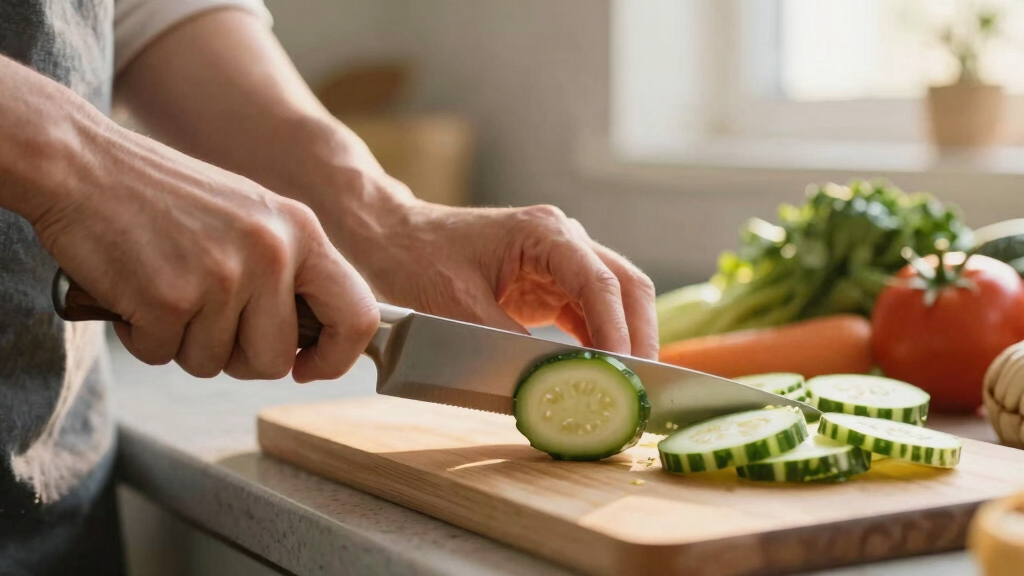
When searching for the best bunka knife for all purpose prep, the goal is to find a versatile blade that handles vegetables, meats, and more with ease. The Misen 6-Inch Bunka Knife stands out as the overall top choice, offering a balanced mix of quality and value. The Miyabi Mizu SG2 6.5-inch is ideal for those seeking premium craftsmanship, while the YOSHIDAHAMONO Bunka offers traditional Japanese steel at a competitive price. Many buyers face tradeoffs between blade material, size, and price, making it essential to prioritize what matters most for their kitchen needs. Continue reading for a detailed breakdown of each option to find the best fit for your prep work.

Get kitchen gear delivered free — and shop member deals
- Fast, free delivery on millions of items
- Access to Prime Big Deal Days deals on October 6–7
- Prime Video, Amazon Music and more included
Complete the kit


Key Takeaways
- The best bunka knives balance edge retention, ease of sharpening, and corrosion resistance.
- Size varies from 6 to 7 inches, with preferences depending on handling comfort and task type.
- High-carbon steels provide sharper edges but require more maintenance to prevent rust.
- Premium options often feature Damascus steel for aesthetics and performance, but come at a higher cost.
- Ergonomic handles and balance significantly influence comfort during prolonged use.
| Misen 6-Inch Bunka Knife – High-Carbon Stainless Steel, Rust-Proof, Ergonomic Handle, Versatile for Vegetables, Meat, and More |  | Best Overall | Blade Length: 6 inches | Material: AICHI ACUTO440 High-Carbon Stainless Steel | Rust Resistance: Yes | VIEW LATEST PRICE | See Our Full Breakdown |
| Miyabi Mizu SG2 6.5-inch Bunka Knife |  | Best for Precision Cutting | Blade Length: 6.5 inches | Steel Type: SG2 Micro-Carbide Powder Stainless Steel | Hardness: 63 Rockwell | VIEW LATEST PRICE | See Our Full Breakdown |
| Miyabi Kaizen II 6.5-inch Bunka Knife |  | Best for Aesthetic and Balance | Blade Length: 6.5 inches | Steel Type: FC61 with Damascus layers | Hardness: 61 Rockwell | VIEW LATEST PRICE | See Our Full Breakdown |
| YOSHIDAHAMONO Bunka Knife 190mm, Aogami #2 Carbon Steel, Made in Japan |  | Best for Traditional Craftsmanship | Blade Length: 190mm | Steel Type: Aogami #2 Carbon Steel | Hardness: HRC 62-64 | VIEW LATEST PRICE | See Our Full Breakdown |
| Seido Epokishi 7-Inch AUS-10 Damascus Bunka Knife, Red Resin Handle |  | Best for Professional and Heavy Use | Blade Length: 7 inches | Steel Type: AUS-10 Japanese steel | Layers: 67 layers of Damascus | VIEW LATEST PRICE | See Our Full Breakdown |
| MIYABI Birchwood SG2 6.5-inch Bunka Knife |  | Best Premium Traditional Craftsmanship | Blade Length: 6.5 inches | Material: G2 micro-carbide powder steel | Blade Type: Damascus, flower pattern | VIEW LATEST PRICE | See Our Full Breakdown |
| Enso HD 7″ Bunka Knife – Made in Japan – VG10 Hammered Damascus Stainless Steel |  | Best Versatile All-Purpose Blade | Blade Length: 7 inches | Blade Height: 2 inches | Overall Length: 12.25 inches | VIEW LATEST PRICE | See Our Full Breakdown |
| KOTAI Bunka Santoku Knife – 6.7-inch Blade, Japanese 440C Stainless Steel, Hand Hammered Finish, Ebony Wood Handle |  | Best for Versatility and Everyday Use | Blade Length: 6.7 inches | Material: Japanese 440C stainless steel | Blade Finish: Tsuchime (Hammered) | VIEW LATEST PRICE | See Our Full Breakdown |
| Enso SG2 Bunka Knife – Made in Japan – 101 Layer Stainless Damascus, 7″ |  | Best for Artistic Precision and Durability | Blade Length: 7 inches | Blade Height: 2 inches | Overall Length: 12.25 inches | VIEW LATEST PRICE | See Our Full Breakdown |
| MIYABI Artisan 6.5-inch Bunka Knife |  | Best for Traditional Craftsmanship and Hand-Honed Precision | Blade Material: SG2 micro-carbide steel | Blade Length: 6.5 inches | Handle Material: Cocobolo Rosewood Pakkawood | VIEW LATEST PRICE | See Our Full Breakdown |
| bunka knife for all purpose prep | Blade Length | Handle Material | Steel Type |
|---|---|---|---|
| Misen 6-Inch Bunka Knife | 6 inches | — | — |
| Miyabi Mizu SG2 6.5-inch Bunka | 6.5 inches | Micarta | SG2 Micro-Carbide Powder Stainless Steel |
| Miyabi Kaizen II 6.5-inch Bunk | 6.5 inches | Black pakkawood | FC61 with Damascus layers |
| YOSHIDAHAMONO Bunka Knife 190m | 190mm | Zelkova (Keyaki) wood | Aogami #2 Carbon Steel |
| Seido Epokishi 7-Inch AUS-10 D | 7 inches | Red resin and carbon fiber | AUS-10 Japanese steel |
| MIYABI Birchwood SG2 6.5-inch | 6.5 inches | — | — |
| Enso HD 7" Bunka Knife | 7 inches | — | — |
| KOTAI Bunka Santoku Knife | 6.7 inches | Ebony wood | — |
| Enso SG2 Bunka Knife | 7 inches | Black Canvas Micarta | 101 Layer Stainless Damascus with SG2 core |
| MIYABI Artisan 6.5-inch Bunka | 6.5 inches | Cocobolo Rosewood Pakkawood | — |
More Details on Our Top Picks
Misen 6-Inch Bunka Knife – High-Carbon Stainless Steel, Rust-Proof, Ergonomic Handle, Versatile for Vegetables, Meat, and More
The Misen 6-Inch Bunka Knife earns its place as the best overall choice for those seeking a reliable, versatile prep knife. Its high-carbon stainless steel blade combines excellent edge retention with rust resistance, making it suitable for everyday use without frequent sharpening. Unlike larger or more specialized knives, it balances precision and comfort, especially with its ergonomic handle designed for long prep sessions. However, its 6-inch blade might feel limiting for heavy-duty tasks like breaking down a large chicken or carving large vegetables. Compared to premium Japanese options, it offers great value but sacrifices some of the ultra-fine sharpness and craftsmanship. For most home cooks who want a dependable all-rounder, this pick delivers strong performance without breaking the bank.
Pros:- Excellent edge retention and durability
- Rust-proof after multiple dishwasher cycles
- Ergonomic handle for comfortable grip
- Versatile for various kitchen tasks
Cons:- Blade length may be too small for heavy-duty tasks
- Limited color options (blue only)
Best for: Home cooks seeking a durable, versatile prep knife for vegetable and meat work
Not ideal for: Professional chefs or those needing a larger, more specialized knife for heavy-duty tasks
- Blade Length:6 inches
- Material:AICHI ACUTO440 High-Carbon Stainless Steel
- Rust Resistance:Yes
- Handle Type:Ergonomic
- Blade Shape:Straight belly with triangular tip
- Dishwasher Safe:Yes
Our verdict“This knife is ideal for home cooks who want a reliable, all-purpose prep tool that balances performance and affordability.”
Miyabi Mizu SG2 6.5-inch Bunka Knife
The Miyabi Mizu SG2 Bunka Knife excels in delivering razor-sharp, precise cuts, making it the top choice for detailed prep work. Its high-quality SG2 micro-carbide steel, combined with the traditional Honbazuke sharpening, ensures exceptional edge retention and a fine, refined blade profile. The D-shaped Micarta handle offers a comfortable, balanced grip, ideal for extended use. Compared with the Misen, it’s more expensive but also significantly sharper and more durable, especially suited for those who value craftsmanship and fine slicing. The main tradeoff is its premium price and the need for careful maintenance to prevent corrosion. This knife suits culinary enthusiasts and professionals who prioritize razor-sharp precision over cost.
Pros:- Exceptional sharpness and edge retention
- High-quality craftsmanship from Japan
- Comfortable, balanced handle
- Versatile for slicing, chopping, and detailed prep
Cons:- Premium price may be prohibitive
- Requires careful maintenance to prevent corrosion
- Hand-honed edge may need professional sharpening over time
Best for: Professional chefs or serious home cooks focusing on precise slicing and detailed prep
Not ideal for: Budget-conscious users or those preferring a more forgiving, easy-maintenance knife
- Blade Length:6.5 inches
- Steel Type:SG2 Micro-Carbide Powder Stainless Steel
- Hardness:63 Rockwell
- Handle Material:Micarta
- Handle Shape:D-shaped
- Origin:Made in Seki, Japan
Our verdict“This knife is best for those who want a Japanese-crafted, precision tool for delicate prep work and are willing to invest in quality.”
Miyabi Kaizen II 6.5-inch Bunka Knife
The Miyabi Kaizen II Bunka Knife combines beauty and performance, making it a favorite for those who appreciate craftsmanship and sharpness. Its Damascus steel with 48 layers offers a stunning visual appeal, while the hand-honed Honbazuke edge provides excellent sharpness. The FC61 steel ensures durability and rust resistance, though it may require more attentive care compared to simpler stainless options. The ergonomic D-shaped handle with mosaic pin adds to its balanced feel, but its premium price might be overkill for casual users. Compared with the Miyabi Mizu, the Kaizen II emphasizes aesthetic appeal without sacrificing much in functional sharpness. It’s a worthwhile investment for serious cooks who want a knife that looks as refined as it performs.
Pros:- Beautiful Damascus steel layers
- Exceptional sharpness and balance
- Hand-honed with traditional Honbazuke method
- Elegant design with ergonomic handle
Cons:- Premium price point
- Requires careful handling and hand washing
- Maintenance needed to preserve Damascus pattern
Best for: Culinary enthusiasts who value craftsmanship, aesthetics, and balanced performance
Not ideal for: Casual cooks or those who prefer low-maintenance knives without Damascus steel’s upkeep
- Blade Length:6.5 inches
- Steel Type:FC61 with Damascus layers
- Hardness:61 Rockwell
- Hardened:Double ice-hardened FRIODUR
- Blade Sharpness:9.5 to 12 degrees
- Handle Material:Black pakkawood
Our verdict“This knife is perfect for those who want a visually stunning, balanced Japanese knife for detailed prep and display-worthy presentation.”
YOSHIDAHAMONO Bunka Knife 190mm, Aogami #2 Carbon Steel, Made in Japan
The YOSHIDAHAMONO Bunka Knife offers a traditional Japanese experience with its Aogami #2 carbon steel blade, valued for its sharpness and ease of honing. Its lightweight design makes it comfortable for prolonged use, and the authentic Zelkova handle adds a classic touch. Compared to the Miyabi options, it emphasizes simplicity and traditional craftsmanship over elaborate Damascus layers or modern finishes. The steel’s high hardness (HRC 62-64) ensures a lasting edge, but it demands careful maintenance, including hand washing and oiling, to prevent rust and chips. This pick suits those who prefer a more straightforward, traditional approach to Japanese knives and are willing to dedicate time to care and maintenance.
Pros:- Sharp, durable edge with high-quality steel
- Lightweight and well-balanced
- Authentic Japanese craftsmanship
- Comfortable, traditional handle
Cons:- Requires careful hand washing and oiling
- Edge may chip if misused with ceramic honing rods
- Handle options may vary in weight and appearance
Best for: Home cooks or professionals who prioritize traditional Japanese craftsmanship and are comfortable with maintenance
Not ideal for: Casual users or those seeking a low-maintenance, stainless steel option
- Blade Length:190mm
- Steel Type:Aogami #2 Carbon Steel
- Hardness:HRC 62-64
- Handle Material:Zelkova (Keyaki) wood
- Overall Length:13.2 inches (33.5 cm)
- Weight:5.7 oz
Our verdict“This knife is best suited for traditional Japanese knife enthusiasts willing to care for a high-carbon steel blade.”
Seido Epokishi 7-Inch AUS-10 Damascus Bunka Knife, Red Resin Handle
The Seido Epokishi 7-Inch Damascus Bunka Knife is tailored for serious cooks who need a larger blade with exceptional sharpness and durability. Its AUS-10 steel layered into 67 layers of Damascus offers a fine balance of edge retention and rust resistance, especially compared to lighter or simpler stainless options. The red resin and carbon fiber handle provides a comfortable, ergonomic grip suitable for extended prep sessions, making it comparable to the Miyabi Mizu in performance but with a slightly larger blade. The main tradeoff is its high maintenance to preserve the steel’s sharpness and appearance. It’s an excellent choice for professional kitchens or dedicated home chefs who prefer larger, high-performance knives for all-purpose prep.
Pros:- Exceptional sharpness and durability
- Ergonomic, comfortable handle
- Elegant Damascus layered design
- Suitable for professional and home use
Cons:- High maintenance to preserve sharpness
- Premium price point
- Potentially heavier due to size and materials
Best for: Professional chefs or serious home cooks needing a larger, durable all-purpose prep knife
Not ideal for: Casual users or those who prefer low-maintenance knives or smaller blades
- Blade Length:7 inches
- Steel Type:AUS-10 Japanese steel
- Layers:67 layers of Damascus
- Handle Material:Red resin and carbon fiber
Our verdict“This knife is ideal for professionals or serious enthusiasts who want a larger, high-performance all-purpose prep tool with a striking appearance.”
MIYABI Birchwood SG2 6.5-inch Bunka Knife
This handcrafted Japanese Bunka knife distinguishes itself with its 101-layer Damascus blade, showcasing complex flower patterns that appeal to collectors and enthusiasts. Its hand-honed edge and Rockwell 63 hardness deliver incredible sharpness and edge retention, making it ideal for detailed slicing and precision tasks. Compared to the Enso SG2, this knife emphasizes traditional Japanese artistry, but its premium price and delicate finish mean it demands careful maintenance. The Karelian Birch handle adds a classic aesthetic, though it may be less durable than synthetic options. This option is best suited for experienced cooks who value craftsmanship and are willing to invest in a knife that performs beautifully with proper care.
Pros:- Exceptional Damascus pattern with 101 layers for visual appeal and durability
- Hand-honed edge offers superior sharpness and control
- Traditional Japanese craftsmanship enhances aesthetic and functional quality
Cons:- Premium price may be prohibitive for budget-conscious users
- Requires careful maintenance to prevent damage and preserve finish
Best for: Professional chefs or serious home cooks who appreciate artisan craftsmanship and detailed work
Not ideal for: Casual cooks or those seeking a budget-friendly, low-maintenance option
- Blade Length:6.5 inches
- Material:G2 micro-carbide powder steel
- Blade Type:Damascus, flower pattern
- Edge:Hand-honed to 9.5-12 degrees
- Hardness:Rockwell 63
- Handle:Karelian Birch
- Origin:Seki, Japan
Our verdict“This knife is perfect for skilled cooks prioritizing exquisite craftsmanship and precise detail work, despite its higher cost and maintenance needs.”
Enso HD 7″ Bunka Knife – Made in Japan – VG10 Hammered Damascus Stainless Steel
This Enso Bunka stands out for its 7-inch VG10 stainless steel blade, combining durability with a versatile size suitable for many tasks. The hammered Damascus finish minimizes food sticking, which can improve efficiency during prep. Its 12° double-bevel edge makes it suitable for both right- and left-handed users, offering flexibility that the more traditional MIYABI Artisan might lack. However, the weight of 7.1 oz could be a drawback for those preferring a lighter knife, and the hammered surface requires extra care to prevent staining. This pick is best for home cooks who want a reliable, stylish knife for everyday use that balances performance with ease of maintenance.
Pros:- High-quality VG10 steel ensures excellent edge retention
- Hammered Damascus finish reduces food sticking and adds aesthetic appeal
- Double-bevel edge offers ambidextrous use and versatility
Cons:- Heavier than some comparable knives, which may cause fatigue
- Hammered finish needs careful cleaning to prevent staining
- Blade length may be too short for larger cutting tasks
Best for: Amateur or home cooks seeking a versatile, durable kitchen knife for daily prep
Not ideal for: Users preferring ultralight or specialized traditional knives for fine detail work
- Blade Length:7 inches
- Blade Height:2 inches
- Overall Length:12.25 inches
- Spine Thickness at Heel:1.8mm
- Weight:7.1 oz
- Material:VG10 37-layer stainless steel
- Handle:Black canvas micarta with stainless steel rivets
Our verdict“This knife offers a strong balance of durability, versatility, and style, ideal for everyday kitchen tasks by home cooks who want reliability without fuss.”
KOTAI Bunka Santoku Knife – 6.7-inch Blade, Japanese 440C Stainless Steel, Hand Hammered Finish, Ebony Wood Handle
The KOTAI Bunka Santoku blends the features of a traditional Santoku with a K-tip for enhanced precision, making it suitable for slicing, chopping, and detailed work. Its 6.7-inch Japanese 440C stainless steel blade offers excellent sharpness and rust resistance, while the hand-hammered Tsuchime finish helps reduce food sticking. The octagonal ebony wood handle provides ergonomic comfort and a refined look, but it’s important to note that it requires hand washing and careful maintenance to prevent rust. Compared with larger or more traditional knives like the MIYABI Birchwood, the KOTAI’s smaller size and versatile profile make it more adaptable for daily kitchen tasks.
Pros:- High-quality Japanese 440C steel ensures sharpness and rust resistance
- Versatile design combines features of Santoku and K-tip
- Comfortable, elegant ebony wood handle with balanced feel
Cons:- Requires careful maintenance—hand wash only
- Premium price may be high for budget buyers
- Small size may be limiting for larger cutting jobs
Best for: Home cooks needing a versatile, stylish knife for daily prep and precise slicing
Not ideal for: Those handling large meats or needing a longer blade for big cutting tasks
- Blade Length:6.7 inches
- Material:Japanese 440C stainless steel
- Blade Finish:Tsuchime (Hammered)
- Handle Material:Ebony wood
- Tang:Full hidden
- Includes:Bamboo Saya and gift box
Our verdict“This knife is well-suited for home chefs who value style and versatility in a reliable everyday prep tool, despite needing careful upkeep.”
Enso SG2 Bunka Knife – Made in Japan – 101 Layer Stainless Damascus, 7″
The Enso SG2 Bunka combines exquisite craftsmanship with remarkable durability, featuring a 101-layer stainless Damascus steel blade with an SG2 core. Its handcrafted design and engraved black Canvas Micarta handle make it stand out visually, suitable for those who appreciate both form and function. The 7-inch blade offers ample length for detailed slicing and general prep, with a Rockwell 63 hardness providing sharpness that rivals more expensive options like the MIYABI Birchwood. However, its high price and the need for hand washing may deter casual users. Compared to the MIYABI Artisan, it offers a similarly handcrafted feel but with a more intricate engraved handle, making it ideal for culinary artistry enthusiasts.
Pros:- High-quality 101-layer Damascus with SG2 core for exceptional sharpness
- Beautiful engraved handle and blade design elevate presentation
- Excellent edge retention and craftsmanship
Cons:- Requires careful hand washing to prevent damage
- Premium price may be too high for some buyers
- Handle design may be less durable over time with heavy use
Best for: Cooks who prioritize aesthetic appeal and precise slicing for presentation or artistic dishes
Not ideal for: Users who prefer low-maintenance or budget-friendly knives
- Blade Length:7 inches
- Blade Height:2 inches
- Overall Length:12.25 inches
- Spine Thickness at Heel:1.8 mm
- Weight:6.8 oz
- Steel Type:101 Layer Stainless Damascus with SG2 core
- Handle Material:Black Canvas Micarta
Our verdict“This knife suits chefs and enthusiasts who value artistry and durability in a finely crafted Japanese Bunka, despite its higher maintenance needs and cost.”
MIYABI Artisan 6.5-inch Bunka Knife
The MIYABI Artisan emphasizes traditional Japanese craftsmanship with its SG2 micro-carbide steel blade, hand-honed with a katana edge for exceptional sharpness. Its hammered Tsuchime finish helps reduce food sticking, making it ideal for precise slicing and presentation. The D-shaped Cocobolo Pakkawood handle offers comfort and aesthetic appeal, aligning well with the craftsmanship seen in the Birchwood SG2. However, the Artisan’s price point and the need for careful maintenance to preserve the handle and edge may make it less suitable for casual cooks. Compared to the Enso SG2, it offers a more traditional feel but with similar performance qualities.
Pros:- High-quality SG2 steel with exceptional sharpness and edge retention
- Traditional hand-honing and craftsmanship elevate its status
- Hammered Tsuchime finish reduces sticking and adds aesthetic charm
Cons:- Higher price may be a barrier for some buyers
- Requires careful maintenance to avoid damage to handle and blade
- Premium feel may be overkill for basic prep tasks
Best for: Serious home cooks and culinary artisans seeking a handcrafted, precise prep knife
Not ideal for: Casual users or those preferring low-cost, low-maintenance options
- Blade Material:SG2 micro-carbide steel
- Blade Length:6.5 inches
- Handle Material:Cocobolo Rosewood Pakkawood
- Finish:Tsuchime hammered
- Edge:Hand-honed katana
- Hardened:Rockwell 63
Our verdict“This knife is ideal for dedicated cooks who want a handcrafted, traditional Japanese Bunka that excels in precision and presentation, despite its higher upkeep and cost.”

How We Picked
To determine the best bunka knives for all purpose prep, I evaluated each product based on performance, build quality, versatility, and value. I prioritized blades crafted from durable steels that hold a sharp edge and resist corrosion, ensuring longevity in a busy kitchen. Handle design and balance were also key, as they directly impact user comfort and control. Price range was considered alongside craftsmanship, aiming to highlight options for different budgets without sacrificing essential quality. The rankings reflect a combination of these factors, focusing on knives that excel in both everyday prep and specialized tasks.Factors to Consider When Choosing Best Bunka Knife For All Purpose Prep
Choosing the right bunka knife involves understanding several key factors that influence usability and longevity. Beyond just steel quality, handle comfort, blade size, and maintenance requirements play crucial roles. Making an informed decision helps prevent common pitfalls like choosing a blade that’s too small or too delicate for multi-purpose use. Here are the main considerations to keep in mind when selecting your ideal bunka knife.Blade Material and Steel Quality
Steel composition impacts durability, sharpness, and corrosion resistance. High-carbon steels like SG2 or VG10 offer excellent edge retention but require careful cleaning and drying. Damascus steels provide a beautiful pattern and good performance but can be more expensive. Cheaper steels may dull quickly or rust easily, leading to more maintenance. Striking a balance between quality and ease of care is key for all-purpose prep knives.
Blade Size and Weight
The typical bunka ranges from 6 to 7 inches in length. Smaller blades offer increased control for delicate chopping, while larger sizes can handle tougher tasks more efficiently. Weight distribution also matters—lighter knives reduce hand fatigue, whereas heavier blades can improve chopping power. Consider your comfort and the types of prep work you do most often when choosing size and weight.
Handle Design and Ergonomics
An ergonomic handle enhances grip stability and reduces fatigue, especially during prolonged use. Materials vary from traditional wood to synthetic composites, each with pros and cons related to maintenance and grip. Handles that fit your hand shape and provide a secure hold will improve control and safety. Avoid handles that feel awkward or cause strain during extended chopping sessions.
Maintenance and Durability
Some steels require regular honing and careful cleaning to prevent rust, especially high-carbon varieties. Others, like stainless steels, resist corrosion but may not hold an edge as long. Damask or layered steels often combine aesthetic appeal with durability but can be more challenging to sharpen. Think about your willingness to maintain the blade versus your desire for low-maintenance performance.
Price and Value
Prices for bunka knives vary widely, reflecting steel quality, craftsmanship, and brand reputation. While premium options offer superior performance and aesthetic appeal, they may be overkill for casual use. Conversely, budget-friendly models can serve well for everyday prep but might need more frequent sharpening or replacement. Align your budget with your expected usage and desired longevity.
Frequently Asked Questions
What size bunka knife is best for all-purpose prep?
Most users find that a 6.5-inch to 7-inch bunka knife offers the best balance of control and chopping power for a variety of tasks. Smaller sizes excel in delicate slicing and detailed prep, while larger sizes handle tougher cuts more comfortably. Your choice depends on your hand size and the primary tasks you perform, but generally, a 6.5-inch blade suits most home cooks for all-purpose use.
Is a high-carbon steel bunka worth the extra maintenance?
High-carbon steels like SG2 or VG10 provide sharper edges and longer-lasting performance, making them popular among serious cooks. However, they require diligent cleaning and drying to prevent rust. If you’re willing to invest time in proper care, these steels can significantly enhance your prep experience. For low-maintenance needs, stainless steel options may be more suitable, even if they don’t hold an edge quite as long.
Can I use a bunka knife for meat and vegetables interchangeably?
Absolutely. The bunka’s versatile design makes it suitable for slicing vegetables, dicing meat, and even filleting poultry. Its balanced weight and sharp edge allow for precise cuts across different food types. Just keep in mind that maintaining a clean, sharp blade is essential to prevent cross-contamination and ensure safe, effective prep.
How important is handle ergonomics for a bunka knife?
Handle ergonomics greatly influence control, comfort, and safety. A well-designed handle reduces hand fatigue during extended use and provides a secure grip, which is crucial when chopping tougher ingredients. Poorly shaped handles can lead to slips or strain, making ergonomic considerations worth prioritizing, especially for all-day prep or those with hand issues.
Should I choose a Damascus or layered steel bunka?
Damascus or layered steels often combine beauty with performance, offering excellent edge retention and corrosion resistance. They tend to be more expensive but can be a worthwhile investment if you value craftsmanship and aesthetics. For everyday prep, a good single-steel blade might suffice and be easier to sharpen. Your decision should reflect your budget, maintenance willingness, and appreciation for craftsmanship.
Conclusion
For most home cooks, the Misen 6-Inch Bunka Knife offers the best overall blend of performance, price, and ease of maintenance, making it ideal for versatile prep. Those seeking premium craftsmanship should consider the Miyabi Mizu SG2 or Enso HD VG10 Damascus if budget allows. Beginners or casual users will find the KOTAI Bunka or Seido Epokishi to be reliable, low-maintenance options. For specialized needs, like delicate slicing or heavy-duty chopping, choosing a larger or more finely crafted blade can make a noticeable difference. Ultimately, selecting the right bunka depends on your food prep style, budget, and willingness to care for the knife.
As an affiliate, we earn on qualifying purchases.Evergreen bestsellers Picks
bestsellers