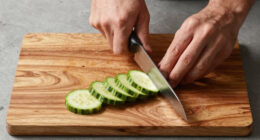
To prep fish for pan cooking, start by choosing fresh fish with a clean smell and firm flesh. Carefully handle it and pat it dry to remove excess moisture, which helps with better searing. Season lightly with salt, pepper, and optional herbs or spices, and add a splash of lemon juice if desired. Use an oil with a high smoke point, like canola or grapeseed, and heat it until shimmering. Mastering these steps will reveal flavorful, perfectly cooked fish—keep exploring for more tips.
Key Takeaways
- Select fresh, firm fish with a clean smell and pat it dry to ensure proper searing.
- Season lightly with salt, pepper, and optional herbs or spices for balanced flavor.
- Use high smoke point oils like canola or grapeseed, heating until shimmering but not smoking.
- Handle the fish carefully to avoid breaking or damaging the flesh during preparation.
- Maintain proper cooking temperature with tools like a thermometer for consistent, even results.
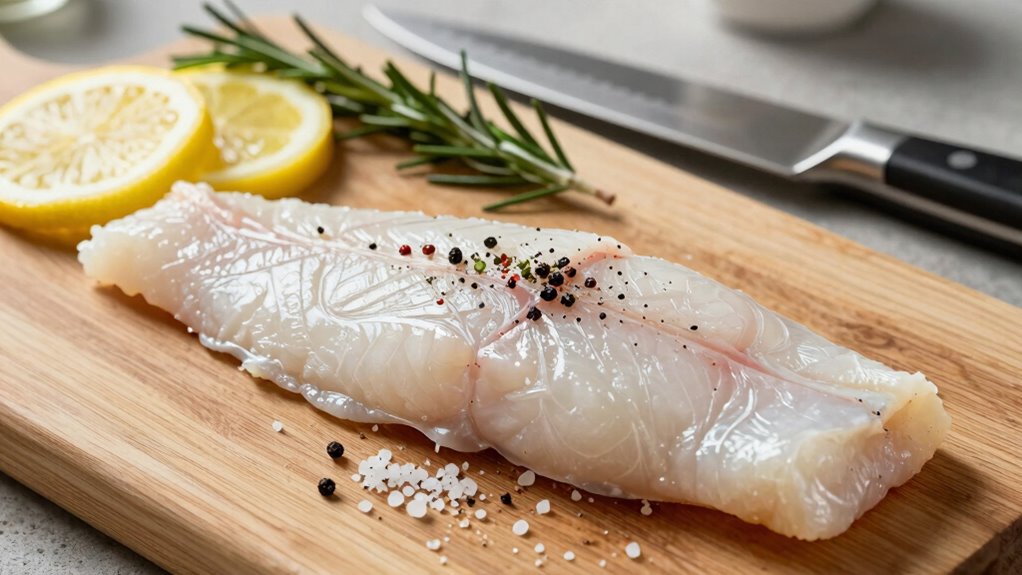
Getting your fish ready for pan cooking is a simple process that can substantially improve your dish. The first step is to ensure the fish is properly prepared, which includes selecting the right cut and handling it carefully. Freshness is key, so choose fish that smells clean and has firm flesh. Once you’ve got your fish, pat it dry with paper towels. Removing excess moisture helps achieve a better sear and prevents sticking. This step is vital because moisture on the surface can cause the fish to steam rather than brown, compromising texture and flavor.
Next, focus on seasoning techniques that elevate your fish. You want to enhance the natural flavors without overpowering them. A light salt and pepper seasoning can be applied evenly across both sides of the fillet. For more flavor, consider adding garlic powder, paprika, or dried herbs like thyme or parsley. Be generous but balanced—avoid over-seasoning, which can mask the fish’s delicate taste. If you prefer, marinate the fish briefly in lemon juice or a marinade with herbs, but keep it under 30 minutes to prevent the flesh from breaking down. Proper seasoning techniques involve not just adding salt, but also understanding how to balance spices and herbs to complement the fish. Additionally, understanding the importance of oil quality can help you select the best fats for flavor and safety.
When it comes to cooking oil selection, choose an oil with a high smoke point to prevent burning and achieve a crisp exterior. Oils like canola, vegetable, or grapeseed are excellent choices because they can withstand higher temperatures without smoking. Avoid using extra virgin olive oil for pan frying at high heat, as it tends to smoke and can impart a bitter flavor. Pour enough oil into your pan to coat the bottom evenly, but not so much that the fish is swimming in oil. Heating the oil properly before adding the fish is essential; it should shimmer but not smoke. This ensures even cooking and a golden crust, locking in juiciness. Being mindful of the quality of oil you choose can make a significant difference in the final outcome. Additionally, maintaining the right cooking temperature is crucial for achieving optimal results. Using a thermometer to monitor heat can help you control the cooking process more precisely.

CAROTE Nonstick Frying Pan, 8 Inch Classic Granite Skillet
- Eco-friendly Non-stick Material: PFOS and PFOA free granite coating
- Easy to Clean: Wipes clean with paper towel or water
- Universal Compatibility: Works on all stove types including induction
As an affiliate, we earn on qualifying purchases.
As an affiliate, we earn on qualifying purchases.
Frequently Asked Questions
How Do I Choose the Freshest Fish for Pan Cooking?
To choose the freshest fish for pan cooking, look for bright, clear eyes that aren’t cloudy, and shiny, firm flesh that springs back when pressed. Freshness indicators include a clean, ocean-like smell—not overly fishy. Use fish selection tips like checking gills for a vibrant red color and avoiding dull, discolored skin. Trust your senses and buy from reputable sources for the best quality.
Should I Remove the Skin Before Pan Frying Fish?
Should you remove the skin before pan frying fish? Think of the skin as a suit of armor that protects the tender fish beneath. If you prefer crispy texture, use skin removal techniques like scoring or peeling with a knife. Fish skin benefits include added flavor and protection from burning. Keep the skin on for moistness, or remove it for crispiness—your choice depends on your desired finish.
What’s the Best Way to Prevent Fish From Sticking?
To prevent fish from sticking, you should start with proper seasoning techniques and guarantee your pan is at the right cooking temperature. Season the fish lightly with salt or spices, then preheat your pan until it’s hot but not smoking. Use enough oil to create a barrier, and avoid moving the fish too early. When the pan and oil are properly heated, the fish releases easily, preventing sticking and ensuring a perfect sear.
How Long Should I Marinate Fish Before Cooking?
You should marinate fish for about 15 to 30 minutes to maximize flavor enhancement without compromising texture. Use marination techniques like acid-based marinades or herbs to infuse the fish with flavor. Keep the fish chilled during marination and avoid overdoing it, as too long can break down the delicate flesh. This brief marination time guarantees your fish remains tender and flavorful when pan-cooked.
Can I Prep Fish Ahead of Time for Pan Cooking?
Yes, you can prep fish ahead of time for pan cooking. Store it properly in the refrigerator using airtight containers or tightly wrapped with plastic wrap to guarantee fish storage stays fresh. Before cooking, apply your favorite seasoning techniques, like marinating or dry rubbing, to enhance flavor. Just remember not to prep too far in advance—aim to cook within 24 hours for the best taste and texture.

Algae Cooking Club Chef-Grade 100% Algae Cooking Oil – Avocado Oil Alternative – 535°F High Smoke Point – Omega-9 Rich, Neutral Buttery Flavor – Seed Oil-Free – For Searing, Baking, Frying (16 fl oz)
- Flavor Profile: Light buttery, neutral flavor
- Health Benefits: Rich in Omega-9 fats, low saturated fat
- High Smoke Point: 535°F for high-heat cooking
As an affiliate, we earn on qualifying purchases.
As an affiliate, we earn on qualifying purchases.
Conclusion
By prepping your fish properly, you set yourself up for success. You enhance the flavor, improve the texture, and guarantee even cooking. You create a meal that’s delicious, satisfying, and memorable. With the right preparation, you turn simple ingredients into a culinary masterpiece. So, take your time, follow the steps, and embrace the process. Because when you prep your fish well, you not only cook a meal—you craft an experience worth savoring.

OXO Good Grips Stainless Steel Fish Turner
- Versatile for seafood handling: Lifts and transfers fish and seafood
- Durable stainless steel head: Sturdy and oversized for strength
- Beveled edge design: Slides easily beneath foods
As an affiliate, we earn on qualifying purchases.
As an affiliate, we earn on qualifying purchases.
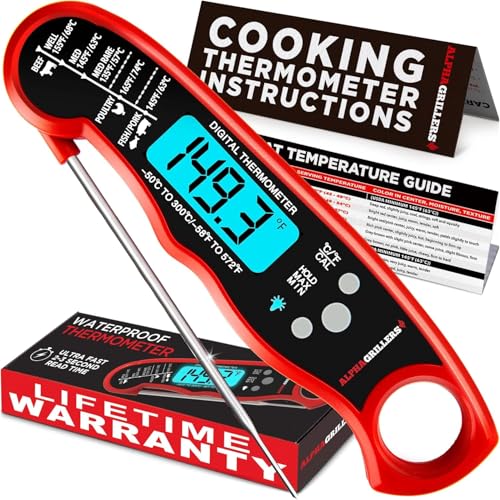
Alpha Grillers Meat Thermometer Digital – Instant Read Food Thermometer for Cooking & Grilling – Professional Kitchen Birthday Gifts for Men, Him, Dad, Husband, Boyfriend
- Fast Temperature Reading: Responds in 1-2 seconds with high accuracy
- Versatile Cooking Tool: Suitable for meats, liquids, frying, and candy making
- Easy-to-Read Display: Bright blue backlight for clear readings in any lighting
As an affiliate, we earn on qualifying purchases.
As an affiliate, we earn on qualifying purchases.