If you’re looking for a Japanese chef knife under $500, the best all-around starting point is the Shun Premier 8-Inch Chef’s Knife, with a familiar profile and a more established premium build. For a feature-rich alternative, the HOSHANHO 8-Inch Japanese Gyuto offers a practical everyday shape, while the KEEMAKE VG10 Damascus Kiritsuke suits cooks who want a more pointed, versatile blade. The main tradeoffs are not just steel or Damascus styling: blade shape, handle feel, edge upkeep, and the risk of chipping all affect daily use. A hard, thin blade can cut cleanly but asks for careful technique and maintenance. Read on for the full comparison and guidance on which knife best matches your cooking habits.

Get kitchen gear delivered free with Prime
- Fast, free delivery on millions of items
- Prime Video, Amazon Music and more included
- Member-only deals all year
Complete the kit


Key Takeaways
- The Shun Premier is the clearest premium-oriented pick in this lineup, while the HOSHANHO Gyuto has a more everyday-focused profile for cooks who prefer a straightforward all-purpose blade.
- Gyuto shapes dominate the practical choices; the KEEMAKE and HOSHANHO Kiritsuke models trade some familiar rocking comfort for a pointed tip suited to precise cuts.
- Damascus layers are not a performance ranking. Steel quality, heat treatment, blade geometry, and handle fit matter more to cutting and upkeep than the visible pattern.
- Several knives advertise VG10 or high-carbon steel, but buyers should compare the full construction and care requirements rather than treating steel labels as proof of equal performance.
- Sheaths and decorative handles add convenience or character, not automatic cutting advantages. Pick them only if they suit your storage, grip, and maintenance routine.
| Atumuryou 8-Inch Japanese Damascus Chef Knife |  | Best for a Fine Cutting Edge | Blade length: 8 inches | Blade steel: VG-10 Japanese steel | Hardness: 62 HRC | VIEW ON AMAZON | See Our Full Breakdown |
| MITSUMOTO SAKARI 8-Inch Japanese Gyuto Chef Knife |  | Best for a Traditional Gyuto Feel | Blade length: 8.6 inches | Blade material: Three-layer 9Cr18MoV high-carbon stainless steel | Hardness: HRC 60±2 | VIEW ON AMAZON | See Our Full Breakdown |
| KEEMAKE 8-Inch VG10 Damascus Kiritsuke Chef Knife with Wooden Sheath |  | Best Kiritsuke-Style Pick | Knife type: Kiritsuke chef knife | Blade length: 8 inches | Blade material: VG10 core with 67-layer Damascus steel | VIEW ON AMAZON | See Our Full Breakdown |
| 8″ Japanese Damascus Chef Knife – High Carbon Stainless Steel, 67 Layers |  | Best Lightweight Damascus Option | Brand: GLOBEHOME | Model: GH-V1 | Blade length: 8 inches | VIEW ON AMAZON | See Our Full Breakdown |
| HOSHANHO 8-Inch Japanese Gyuto Chef Knife |  | Best for a Balanced Everyday Gyuto | Blade length: 8 inches | Item length: 12 inches | Weight: 218 g | VIEW ON AMAZON | See Our Full Breakdown |
| Shun Premier 8″ Chef’s Knife |  | Best Overall | Blade length: 8 inches | Overall length: 14.25 inches | Weight: 214 g | VIEW ON AMAZON | See Our Full Breakdown |
| 8-Inch Japanese VG10 Damascus Chef Knife |  | Best for Full-Tang Construction | Blade length: 8 inches | Blade material: Japanese VG10 Damascus steel | Damascus layers: 67 | VIEW ON AMAZON | See Our Full Breakdown |
| HOSHANHO 9-Inch Kiritsuke Chef Knife |  | Best for Long-Blade Slicing | Blade length: 9 inches | Item length: 14.5 inches | Blade material: High-carbon steel with 10Cr15CoMoV steel core | VIEW ON AMAZON | See Our Full Breakdown |
| Japanese Chef Kitchen Knife 8-Inch Black Gyuto with 67-Layer Damascus VG10 Steel, Rosewood & Ebony Handle and Leather Sheath |  | Best for Gift-Ready Accessories | Blade length: 8 inches | Blade material: 67-layer Damascus steel with VG10 core | Hardness: 58–60 HRC | VIEW ON AMAZON | See Our Full Breakdown |
| HOSHANHO 8-Inch Japanese High-Carbon Steel Chef’s Knife |  | Best for Everyday Pinch-Grip Prep | Blade length: 8 inches | Blade material: 10Cr15CoMoV Japanese high-carbon steel | Hardness: 60 HRC | VIEW ON AMAZON | See Our Full Breakdown |
| SHAN ZU 8-Inch Damascus Steel Chef Knife |  | Best for a Grippy, Patterned Blade | Blade length: 8 inches | Blade steel: 10Cr15MoV Japanese steel core with 67 layers of steel | Blade thickness: 2.2 mm | VIEW ON AMAZON | See Our Full Breakdown |
| 8-Inch Japanese Chef Knife with VG-10 Steel Blade |  | Best for Left- and Right-Handed Precision | Blade length: 8 inches | Blade steel: VG-10 stainless steel | Construction: Triple-layer | VIEW ON AMAZON | See Our Full Breakdown |
| Kimura 8-Inch Japanese Gyuto Chef Knife |  | Best for Everyday Durability | Origin: Seki, Japan | Knife type: Japanese Gyuto chef knife | Blade length: 21 cm (8.3 in) | VIEW ON AMAZON | See Our Full Breakdown |
| FAMCÜTE 8-Inch Japanese Chef Knife with Rosewood Handle |  | Best for an Octagonal Wood Handle | Model: SHG-0008 | Blade length: 8 inches | Blade material: Five-layer 9CR18MOV high-carbon steel | VIEW ON AMAZON | See Our Full Breakdown |
| japanese chef knife under 500 | Blade length | Handle material | Blade material | Hardness |
|---|---|---|---|---|
| Atumuryou 8-Inch Japanese Dama | 8 inches | — | — | 62 HRC |
| MITSUMOTO SAKARI 8-Inch Japane | 8.6 inches | Rosewood | Three-layer 9Cr18MoV high-carbon stainless steel | HRC 60±2 |
| KEEMAKE 8-Inch VG10 Damascus K | 8 inches | Pakkawood | VG10 core with 67-layer Damascus steel | Listed as 62 HRC and 60±2 HRC |
| 8" Japanese Damascus Chef Knif | 8 inches | Pakkawood | 10Cr15Mov high-carbon stainless steel core | — |
| HOSHANHO 8-Inch Japanese Gyuto | 8 inches | Rosewood | 10CR15MOV high-carbon steel | Up to 62 HRC |
| Shun Premier 8" Chef’s Knife | 8 inches | Pakkawood | VG-MAX steel core with 68-layer Damascus cladding | — |
| 8-Inch Japanese VG10 Damascus | 8 inches | Stabilized wood and resin | Japanese VG10 Damascus steel | 62 HRC |
| HOSHANHO 9-Inch Kiritsuke Chef | 9 inches | Rosewood | High-carbon steel with 10Cr15CoMoV steel core | — |
| Japanese Chef Kitchen Knife 8- | 8 inches | Red sandalwood and black ebony | 67-layer Damascus steel with VG10 core | 58–60 HRC |
| HOSHANHO 8-Inch Japanese High- | 8 inches | Wood | 10Cr15CoMoV Japanese high-carbon steel | 60 HRC |
| SHAN ZU 8-Inch Damascus Steel | 8 inches | G10 glass fiber | — | 62 HRC |
| 8-Inch Japanese Chef Knife wit | 8 inches | Pakkawood | — | HRC 62 |
| Kimura 8-Inch Japanese Gyuto C | 21 cm (8.3 in) | POM resin | High-carbon chrome molybdenum stainless steel | — |
| FAMCÜTE 8-Inch Japanese Chef K | 8 inches | Rosewood | Five-layer 9CR18MOV high-carbon steel | — |
More Details on Our Top Picks
Atumuryou 8-Inch Japanese Damascus Chef Knife
The Atumuryou makes sense for cooks who prioritize a narrow, precise edge: its hand-sharpened 12° bevel and VG-10 core rated at 62 HRC suit controlled slicing and everyday vegetable prep. Its 8-inch blade is a more conventional chef-knife shape than the pointed kiritsuke profile of the KEEMAKE, making it the more familiar choice for cooks who want a general-purpose silhouette. The stabilized wood-and-resin handle and balanced design are intended to keep grip secure during longer prep sessions.
The tradeoff is limited care and ownership information: the supplied details give no care instructions or warranty terms, so buyers must be comfortable maintaining a hard Japanese-style edge without much guidance. The thin edge also calls for care around hard foods; this is not a knife for bones or rough handling.
Pros:- VG-10 steel core with 67-layer Damascus cladding
- Hand-sharpened 12° edge suited to precise cutting
- Stabilized wood-and-resin handle is designed for a secure grip
- Balanced design intended to reduce wrist fatigue
Cons:- No dishwasher or care instructions are provided
- No warranty details are provided
- A fine, hard edge needs careful use around hard ingredients
Best for: Home cooks seeking a fine-edged 8-inch knife for precise slicing and routine vegetable, fish, and boneless meat prep.
Not ideal for: Buyers who want clear care guidance or warranty coverage, or cooks who regularly cut through bones and other hard foods.
- Blade length:8 inches
- Blade steel:VG-10 Japanese steel
- Hardness:62 HRC
- Cladding:67-layer Damascus
- Edge angle:12°
- Construction:Forged
- Handle:Stabilized wood and resin
- Weight:1.1 pounds
Our verdict“Choose the Atumuryou if a precise 12° edge and familiar chef-knife shape matter more than detailed care support.”
MITSUMOTO SAKARI 8-Inch Japanese Gyuto Chef Knife
Compared with the Atumuryou’s 8-inch blade and narrow 12° edge, the MITSUMOTO SAKARI offers a longer 8.6-inch Gyuto blade and a 60±2 HRC 9Cr18MoV core. That combination suits cooks who want extra reach across a cutting board without moving to a specialty profile. Its forged, three-layer San-Mai construction and hammered kurouchi finish give it a more traditional visual character, while the octagonal rosewood handle offers a distinct grip shape from the Atumuryou’s stabilized wood-and-resin handle.
At 279 g, it is heavier than the HOSHANHO 8-inch Gyuto, listed at 218 g, so it may feel more substantial during long prep sessions. The included sandalwood box is useful for storage, but the product information provides no care instructions. Buyers should be ready to hand-wash and dry the knife rather than assume it is dishwasher-safe.
Pros:- 8.6-inch Gyuto blade provides extra reach
- Forged three-layer construction with a 9Cr18MoV core
- Octagonal rosewood handle offers a defined grip shape
- Sandalwood storage box is included
Cons:- Heavier than the listed HOSHANHO 8-inch Gyuto
- No dishwasher or care instructions are provided
- Longer blade may be less convenient on a crowded board
Best for: Cooks who prefer a longer Gyuto blade, an octagonal wood handle, and a substantial feel for slicing across a broad board.
Not ideal for: Shoppers seeking a lightweight knife or explicit maintenance guidance, or anyone who needs a compact blade for a small prep area.
- Blade length:8.6 inches
- Blade material:Three-layer 9Cr18MoV high-carbon stainless steel
- Hardness:HRC 60±2
- Construction:Forged
- Handle material:Rosewood
- Handle shape:Octagonal
- Weight:279 g
- Included storage:Sandalwood box
Our verdict“Pick the MITSUMOTO SAKARI if you want a longer, substantial Gyuto with a wood handle and included storage box.”
KEEMAKE 8-Inch VG10 Damascus Kiritsuke Chef Knife with Wooden Sheath
The KEEMAKE is the specialist-shaped option in this group: its kiritsuke profile and stated 10° edge favor precise slicing and controlled push cuts, while its 8-inch size keeps it usable for general prep. The Atumuryou has a more familiar chef-knife profile and a 12° edge, so it is the safer shape choice for cooks who want an all-purpose knife without adapting their technique. KEEMAKE instead pairs a VG10 core and 67-layer hammered Damascus blade with full-tang construction and a triple-riveted pakkawood handle.
The included freestanding ash wood sheath gives it a clear storage advantage over the MITSUMOTO SAKARI, which comes with a box rather than a blade-covering sheath. There are tradeoffs: the pointed profile and very sharp edge call for careful handling, and the listed hardness conflicts between 62 HRC and 60±2 HRC. That inconsistency makes the exact hardness less certain.
Pros:- VG10 core with 67-layer hammered Damascus construction
- Stated 10° edge suited to precise cutting
- Full tang and triple-riveted pakkawood handle
- Freestanding ash wood sheath is included
Cons:- Kiritsuke profile may feel less familiar than a standard chef knife
- Hardness is listed as both 62 HRC and 60±2 HRC
- Sharp edge and pointed profile require careful handling and storage
Best for: Confident home cooks who want a kiritsuke-style blade for precise slicing and value a dedicated wooden blade cover.
Not ideal for: Beginners who prefer a familiar rounded chef-knife profile, or buyers who need consistent hardness specifications before choosing.
- Knife type:Kiritsuke chef knife
- Blade length:8 inches
- Blade material:VG10 core with 67-layer Damascus steel
- Hardness:Listed as 62 HRC and 60±2 HRC
- Edge angle:10°
- Construction:Forged, full tang
- Handle material:Pakkawood
- Included sheath:Freestanding ash wood
Our verdict“Choose the KEEMAKE if you want a kiritsuke profile, a fine edge, and an included wooden sheath, and can accept conflicting hardness details.”
8″ Japanese Damascus Chef Knife – High Carbon Stainless Steel, 67 Layers
At a listed 210 g, the GLOBEHOME is the lightest clearly specified knife in this batch; the HOSHANHO 8-inch Gyuto is listed at 218 g, while the MITSUMOTO SAKARI is 279 g. That difference may suit cooks who prefer quick handling and less weight during repetitive chopping. It also pairs a 10–12° edge with a 10Cr15Mov high-carbon stainless core and 67-layer folded Damascus construction, putting it closer to the fine-edge choices than to a heavier, more substantial-feeling knife.
The pakkawood handle keeps the setup straightforward, but the available product details do not list hardness or a specific construction method, making direct comparison with the forged Atumuryou less complete. Its stated limit is clear: do not use it on frozen bones or extremely hard materials. Buyers should choose it for controlled kitchen prep, not rough outdoor tasks that demand impact resistance.
Pros:- Listed weight of 210 g supports a lighter handling preference
- 10–12° edge is suited to precise kitchen cutting
- 10Cr15Mov core with 67-layer folded Damascus construction
- Pakkawood handle and 8-inch blade suit routine prep
Cons:- Not recommended for frozen bones or extremely hard materials
- Hardness is not specified in the supplied product data
- Construction method is not specified in the supplied product data
Best for: Cooks who want a lightweight 8-inch Damascus knife for everyday prep and prefer a nimble feel over a heavier blade.
Not ideal for: People who cut frozen foods, bones, or very hard materials, or buyers who want a listed hardness and fuller construction details.
- Brand:GLOBEHOME
- Model:GH-V1
- Blade length:8 inches
- Overall length:13 inches
- Weight:7.36 oz (210 g)
- Blade material:10Cr15Mov high-carbon stainless steel core
- Edge angle:10–12°
- Handle material:Pakkawood
Our verdict“Choose the GLOBEHOME if low weight and a fine edge matter more to you than complete hardness and construction specifications.”
HOSHANHO 8-Inch Japanese Gyuto Chef Knife
The HOSHANHO is a practical middle ground between the GLOBEHOME’s lighter 210 g listing and the MITSUMOTO SAKARI’s longer, heavier blade. At 218 g with an 8-inch blade, it has familiar proportions without the extra reach or listed weight of the MITSUMOTO. Its forged, nine-layer composite blade uses a 10CR15MOV core hardened up to 62 HRC, and the hand-sharpened 12° edge is aimed at crisp everyday cutting rather than rough work.
The octagonal rosewood handle gives it a more traditional grip shape than the pakkawood handles on the KEEMAKE and GLOBEHOME, and the maker lists it for both left- and right-handed users. The hammered Kurouchi Tsuchime finish adds texture, but the supplied details do not include care instructions. Like the Atumuryou, it calls for regular sharpening and careful hand care; choose another option if maintenance guidance is a priority.
Pros:- 218 g weight pairs a manageable feel with an 8-inch blade
- Forged nine-layer composite blade with 10CR15MOV core
- 12° hand-sharpened edge supports precise everyday cuts
- Octagonal rosewood handle is listed for left- and right-handed users
Cons:- Requires periodic sharpening
- Care instructions are not provided
- Hard, narrow edge is not suited to bones or rough impact
Best for: Home cooks seeking a moderately light, traditional-handled Gyuto for regular vegetable, fish, and boneless meat preparation.
Not ideal for: Buyers who want detailed care guidance or avoid periodic sharpening, and cooks who need a knife for bones or rough cutting.
- Blade length:8 inches
- Item length:12 inches
- Weight:218 g
- Blade material:10CR15MOV high-carbon steel
- Blade construction:Nine-layer composite
- Hardness:Up to 62 HRC
- Edge angle:12°
- Handle material:Rosewood
Our verdict“Pick the HOSHANHO for a moderately light 8-inch Gyuto with a rosewood handle, provided you are comfortable maintaining its edge.”
Shun Premier 8″ Chef’s Knife
The Shun Premier earns my Best Overall spot for pairing a precise, thin 16-degree edge with a handle and support service suited to regular home cooking. Its VG-MAX core and Damascus cladding make it a more established, specification-rich choice than the Atumuryou 8-Inch Japanese VG10 Damascus Chef Knife, whose listing gives a VG10 core but less care guidance. The hammered tsuchime finish is intended to reduce drag, which can help ingredients release during slicing, while the contoured Pakkawood handle accommodates either hand. The tradeoff is that this keen edge calls for careful maintenance, and the knife should not be treated like a rough-use cleaver. Free sharpening and honing help support long-term upkeep, but buyers seeking a more forgiving, lower-maintenance blade may prefer the HOSHANHO 8-Inch Japanese High-Carbon Steel Chef’s Knife.
Pros:- 16-degree edge and VG-MAX steel core are suited to precise cutting
- Hammered tsuchime finish is designed to reduce drag and food sticking
- Contoured Pakkawood handle is designed for a secure grip in either hand
- Free sharpening and honing service plus a lifetime warranty
Cons:- The very sharp edge requires regular care to preserve its performance
- A fine-edged chef’s knife is not suited to chopping bones or frozen foods
Best for: Home cooks who want a sharp, well-supported 8-inch Japanese knife for precise everyday slicing and are willing to maintain its edge.
Not ideal for: Cooks who regularly cut bones or frozen foods, or who want a knife that needs little attention between uses.
- Blade length:8 inches
- Overall length:14.25 inches
- Weight:214 g
- Blade material:VG-MAX steel core with 68-layer Damascus cladding
- Handle material:Pakkawood
- Blade finish:Hammered tsuchime
- Edge:Plain, 16-degree
- Warranty:Lifetime
Our verdict“Choose the Shun Premier if you want a precise everyday Japanese chef knife backed by sharpening support and will care for its keen edge.”
8-Inch Japanese VG10 Damascus Chef Knife
The Atumuryou stands out for cooks who prioritize a forged, full-tang build and want storage accessories included. Its 8-inch VG10 blade has 67-layer Damascus cladding and a black-forged finish, while the stabilized wood-and-resin handle is designed to provide a secure grip. Compared with the Shun Premier 8″ Chef’s Knife, this model puts more emphasis on full-tang construction and a leather sheath; Shun, by contrast, specifies a 16-degree edge and includes a sharpening service. The Atumuryou listing states 62 HRC but gives no edge angle or care instructions, leaving less guidance for buyers choosing sharpening methods or daily upkeep. The sheath is useful for protected storage, though it does not replace safe drawer storage or careful cleaning. I’d pick it for its construction and included kit, not for a clearly documented maintenance program.
Pros:- VG10 steel core with 67-layer Damascus cladding
- Forged full-tang construction is designed for balance and a secure grip
- Stabilized wood-and-resin handle
- Leather sheath and gift box are included
Cons:- The product details do not state an edge angle
- Care and maintenance requirements are not specified
- No sharpening service is listed, unlike the Shun Premier
Best for: Cooks who want an 8-inch forged VG10 knife with full-tang construction and a sheath for protected storage.
Not ideal for: Buyers who want clearly specified edge geometry, care instructions, or included sharpening support before choosing a knife.
- Blade length:8 inches
- Blade material:Japanese VG10 Damascus steel
- Damascus layers:67
- Hardness:62 HRC
- Construction:Forged, full tang
- Handle material:Stabilized wood and resin
- Finish:Black-forged (Kurouchi)
- Weight:7.36 ounces
- Included accessories:Leather sheath and gift box
Our verdict“Choose the Atumuryou if full-tang construction and a storage sheath matter more to you than detailed edge and care specifications.”
HOSHANHO 9-Inch Kiritsuke Chef Knife
The 9-inch blade gives this HOSHANHO kiritsuke a longer cutting path than the 8-inch Shun Premier or HOSHANHO chef knife, making it a distinctive choice for cooks who slice large vegetables or portion broad cuts of boneless food. Its hand-sanded edge is listed at 12–15 degrees per side, and the octagonal rosewood handle is designed for an ambidextrous grip. The longer reach can make continuous slicing easier, but it also takes more room on the board and may feel less nimble for small, repetitive prep. This forged, hammered-texture knife is described as having an eight-layer construction; it is not the choice for bones or frozen ingredients. Hand washing and thorough drying are required, so cooks seeking a low-care daily blade may prefer the HOSHANHO 8-Inch Japanese High-Carbon Steel Chef’s Knife.
Pros:- 9-inch blade offers extra reach for long slicing strokes
- Hand-sanded edge is specified at 12–15 degrees per side
- Octagonal rosewood handle is designed for ambidextrous use
- Hammered texture is described as helping reduce food sticking
Cons:- Longer blade can be harder to control in tight spaces and for small prep
- Not recommended for cutting bones or frozen foods
- Requires hand washing and thorough drying
Best for: Confident home cooks who often slice large vegetables or boneless ingredients and have room for a longer blade on the board.
Not ideal for: New cooks, small-kitchen users, or anyone who needs a knife for bones, frozen food, or dishwasher cleanup.
- Blade length:9 inches
- Item length:14.5 inches
- Blade material:High-carbon steel with 10Cr15CoMoV steel core
- Blade construction:Forged; eight layers stated in description
- Blade thickness:2.5 mm
- Edge angle:12–15 degrees per side
- Handle material:Rosewood
- Weight:238 g
Our verdict“Choose this kiritsuke over the 8-inch options if you want extra blade length for boneless slicing and are comfortable managing a longer, care-intensive knife.”
Japanese Chef Kitchen Knife 8-Inch Black Gyuto with 67-Layer Damascus VG10 Steel, Rosewood & Ebony Handle and Leather Sheath
This KDNKEEN gyuto makes the most sense for buyers who want an 8-inch VG10 knife with a full accessory set: leather sheath, cleaning cloth, and user manual. Its 67-layer Damascus blade is listed at 58–60 HRC, with a 15-degree double bevel in the product details, while the full-tang build and octagonal red sandalwood-and-ebony handle aim for a balanced, secure hold. Compared with the Atumuryou 8-Inch Japanese VG10 Damascus Chef Knife, this model gives a specific hardness range and edge angle; Atumuryou lists a higher hardness figure but does not state its edge geometry. At 209 g, it is not especially heavy by the listed weight, though individual comfort will depend on balance and grip. The tradeoffs are a need for careful hand washing and a less established record in the supplied product information than the Shun Premier, which includes sharpening support.
Pros:- 67-layer Damascus blade with VG10 core
- 15-degree double bevel is specified for precise cutting
- Full-tang construction and octagonal wooden handle
- Leather sheath, cleaning cloth, and user manual are included
Cons:- Requires hand washing and careful upkeep of the Damascus finish
- No sharpening service is listed, unlike the Shun Premier
- The extensive accessory set may matter less to cooks who only need a working knife
Best for: Gift buyers and home cooks who want an 8-inch VG10 gyuto with a sheath and cleaning accessories included.
Not ideal for: Cooks who want a documented sharpening service or prefer a dishwasher-safe, minimal-care knife.
- Blade length:8 inches
- Blade material:67-layer Damascus steel with VG10 core
- Hardness:58–60 HRC
- Edge:V-shaped, 15-degree double bevel
- Weight:209 g
- Handle material:Red sandalwood and black ebony
- Construction:Full tang, forged
- Included components:Knife, leather sheath, cleaning cloth, and user manual
- Brand and model:KDNKEEN KDN01
Our verdict“Choose this KDNKEEN gyuto if the included sheath and care accessories add value to your purchase and you are prepared to hand-wash it.”
HOSHANHO 8-Inch Japanese High-Carbon Steel Chef’s Knife
For straightforward everyday prep, this HOSHANHO pairs an 8-inch blade with a 13-degree-per-side edge and a sloped bolster intended to support a pinch grip. Its 10Cr15CoMoV high-carbon steel is listed at 60 HRC, giving buyers more concrete edge and hardness details than the Atumuryou 8-Inch Japanese VG10 Damascus Chef Knife, whose listing omits an edge angle. The matte finish and wooden handle keep the design simpler than the Damascus-and-accessory-heavy KDNKEEN gyuto. That simplicity suits cooks focused on chopping and slicing rather than presentation, but the product data does not specify dishwasher care, and the edge requires attention to stay sharp. The listed rust resistance is helpful, yet it is not a reason to leave the blade wet. Compared with the 9-inch HOSHANHO kiritsuke, this is the more manageable everyday format.
Pros:- 13-degree-per-side edge is suited to precise everyday cutting
- 10Cr15CoMoV steel is listed at 60 HRC
- Sloped bolster and wooden handle are designed for a comfortable pinch grip
- Matte finish and gift box provide a simpler presentation than Damascus-heavy alternatives
Cons:- High-carbon edge requires care to maintain sharpness
- Product details do not provide dishwasher-care guidance
- Does not include the sharpening service listed with the Shun Premier
Best for: Home cooks who want an 8-inch knife for routine slicing and chopping and use a pinch grip during prep.
Not ideal for: Cooks who want a low-maintenance blade, a stated sharpening service, or an especially long knife for broad slicing strokes.
- Blade length:8 inches
- Blade material:10Cr15CoMoV Japanese high-carbon steel
- Hardness:60 HRC
- Edge angle:13 degrees per side
- Handle material:Wood
- Blade finish:Matte
- Bolster:Sloped
- Included component:Gift box
Our verdict“Choose this HOSHANHO for a manageable 8-inch daily knife with specified edge geometry, provided you will maintain and dry it carefully.”
SHAN ZU 8-Inch Damascus Steel Chef Knife
The SHAN ZU pairs a 10Cr15MoV core with 67 layers of steel, a 15-degree edge, and a G10 handle. That combination suits cooks seeking a firm, corrosion-resistant-feeling grip and a fine slicing edge in a familiar 8-inch format. Compared with the Kimura 8-Inch Japanese Gyuto, its stated 62 HRC hardness points to a harder blade, while the Kimura’s 57 HRC steel may be a more forgiving match for everyday handling. The SHAN ZU’s forged, layered construction gives it a more decorative profile than the Kimura’s stamped build, but the available details don’t include care guidance. Buyers should be ready to dry it promptly and learn suitable sharpening practices rather than treat it like a carefree beater knife.
Pros:- 10Cr15MoV core with 67-layer steel construction
- 15-degree cutting angle supports precise slicing
- G10 handle offers a firm, durable grip
- Forged construction and stated 12-month warranty
Cons:- No care or maintenance instructions are provided
- Hard blade calls for careful use and appropriate sharpening
- Not suited to bones or frozen ingredients
Best for: Home cooks who want an 8-inch layered-steel knife, a firm G10 grip, and a fine edge for vegetable and boneless-protein prep
Not ideal for: Cooks who want clear maintenance guidance or need a knife for bones, frozen foods, and rough handling
- Blade length:8 inches
- Blade steel:10Cr15MoV Japanese steel core with 67 layers of steel
- Blade thickness:2.2 mm
- Blade width:2.5 inches
- Hardness:62 HRC
- Cutting angle:15°
- Handle material:G10 glass fiber
- Construction:Forged
- Warranty:12 months
Our verdict“Choose the SHAN ZU if you want a layered 8-inch blade and grippy G10 handle, and are comfortable managing knife care yourself.”
8-Inch Japanese Chef Knife with VG-10 Steel Blade
This knife stands out for its VG-10 stainless steel, hand-finished double-bevel edge, and balanced Pakkawood handle. The symmetrical grind makes it a straightforward fit for left- and right-handed cooks, unlike knives with a single-sided edge. Against the SHAN ZU 8-Inch Damascus Steel Chef Knife, it offers more explicit care guidance and a user manual, but both have hard blades that reward careful technique. Here, the tradeoff is especially clear: the thin edge can chip against bones, frozen food, or hard shells, and the maker calls for hand washing, immediate drying, and whetstone sharpening. Its report card and gift box are useful extras, but the knife makes the most sense for precise kitchen prep, not rough-duty chopping.
Pros:- VG-10 stainless steel blade with stated HRC 62 hardness
- Symmetrical double bevel suits left- and right-handed users
- Hand-finished edge and Pakkawood handle support controlled prep
- Includes a user manual, sharpness report card, and gift box
Cons:- Thin edge can chip on bones, frozen food, or hard shells
- Requires hand washing and immediate drying
- Whetstone sharpening may be more demanding for beginners
Best for: Left- or right-handed home cooks who prioritize precise slicing and are willing to hand wash, dry, and sharpen with a whetstone
Not ideal for: Cooks who regularly cut bones, frozen food, or hard shells, or who prefer dishwasher-safe, low-maintenance tools
- Blade length:8 inches
- Blade steel:VG-10 stainless steel
- Construction:Triple-layer
- Hardness:HRC 62
- Edge:Symmetrical double bevel
- Handle material:Pakkawood
- Included items:Sharpness report card, user manual, gift box
- Care guidance:Hand wash and dry; sharpen with a whetstone
Our verdict“Pick this VG-10 model for precise, ambidextrous slicing if you can avoid hard ingredients and keep up with hand care.”
Kimura 8-Inch Japanese Gyuto Chef Knife
The Kimura is the practical pick here: its 57 HRC stainless steel, full-tang construction, and non-slip POM handle favor everyday use over a very hard, delicate edge. Made in Seki, Japan, it has a hand-sharpened 15-degree double bevel and a useful 8.3-inch blade for chopping, dicing, and general prep. Compared with the SHAN ZU 8-Inch Damascus Steel Chef Knife, the Kimura’s lower stated hardness suggests a less brittle-feeling choice for routine kitchen tasks, though it may need more frequent sharpening. Its stamped construction is less substantial on paper than the SHAN ZU’s forged build, and the full bolster can make sharpening the full edge less convenient. A lifetime warranty adds reassurance, but regular edge upkeep remains part of ownership.
Pros:- Made in Seki, Japan, with a hand-sharpened 15-degree edge
- Double bevel works for common cutting tasks and either hand
- POM resin handle is designed for a secure, non-slip grip
- Full tang, triple rivets, and lifetime warranty
Cons:- Stamped construction rather than forged
- 57 HRC blade requires regular sharpening to maintain its edge
- Full bolster may complicate sharpening the entire edge
Best for: Home cooks who want a versatile, Japan-made gyuto with a secure handle and a less hard blade for frequent everyday prep
Not ideal for: Buyers seeking a forged, layered-steel appearance or a very hard edge that holds sharpness with less frequent sharpening
- Origin:Seki, Japan
- Knife type:Japanese Gyuto chef knife
- Blade length:21 cm (8.3 in)
- Blade material:High-carbon chrome molybdenum stainless steel
- Blade hardness:57 HRC
- Edge:Double bevel, hand sharpened to 15 degrees
- Construction:Stamped, full tang, triple riveted, full bolster
- Handle material:POM resin
- Warranty:Lifetime
Our verdict“Choose the Kimura for a durable-feeling, everyday Japanese gyuto with a secure grip, accepting more frequent sharpening than harder options.”
FAMCÜTE 8-Inch Japanese Chef Knife with Rosewood Handle
FAMCÜTE’s main point of difference is its octagonal rosewood handle, paired with a forged, five-layer 9CR18MOV blade. The shaped handle gives buyers an alternative to the G10 grip on the SHAN ZU 8-Inch Damascus Steel Chef Knife, while the FAMCÜTE listing emphasizes forged construction rather than a 67-layer steel pattern. Its stated hardness of up to HRC 62 suggests an edge aimed at precise cutting, but the listing does not provide an edge angle or detailed sharpening and care instructions. That leaves less guidance than the VG-10 Steel Blade knife, which specifies hand washing, drying, and whetstone sharpening. This is a better fit for cooks drawn to a traditional wood handle who are prepared to seek out suitable maintenance advice.
Pros:- Forged construction with five-layer 9CR18MOV high-carbon steel
- Rosewood handle has an octagonal profile
- Stated hardness reaches up to HRC 62
- 8-inch blade suits common kitchen preparation
Cons:- Listing provides no care or sharpening instructions
- No edge angle or handle dimensions are specified
- High-carbon steel requires attentive care
Best for: Cooks who prefer an octagonal rosewood handle and want a forged, layered 8-inch knife for controlled kitchen prep
Not ideal for: First-time Japanese-knife buyers who need clear care and sharpening directions or prefer a synthetic, low-maintenance handle
- Model:SHG-0008
- Blade length:8 inches
- Blade material:Five-layer 9CR18MOV high-carbon steel
- Blade hardness:Up to HRC 62
- Construction:Forged
- Blade edge:Plain
- Handle material:Rosewood
- Item length:36.5 centimeters
Our verdict“Choose FAMCÜTE if the octagonal rosewood handle is your priority and you are comfortable finding care guidance beyond the listing.”

How We Picked
I ranked these 14 knives around how well each appears suited to the everyday needs behind the phrase Japanese chef knife under $500: adaptable blade shape, useful length, steel and construction information, handle practicality, and likely care demands. I gave more weight to choices with a familiar 8-inch gyuto profile for general prep, while treating kiritsuke-style blades as more specialized options rather than automatic upgrades. The Shun Premier leads as the most clearly positioned premium choice; versatile gyutos follow, with knives offering less distinct or less fully specified advantages placed lower.
I also weighed the tradeoffs a buyer can verify from the product descriptions: blade geometry and length, stated steel, handle materials, and included storage accessories. Damascus patterning and a long feature list did not earn a higher place on their own. Since listed specifications do not establish actual edge retention, balance, or heat-treatment consistency, I avoid presenting those as tested facts. Buyers should confirm manufacturer care guidance and warranty details before choosing, especially for harder blades that may be less forgiving of twisting, bones, or rough cutting boards.
| japanese chef knife under 500 | Construction |
|---|---|
| Atumuryou 8-Inch Japanese Dama | Forged |
| MITSUMOTO SAKARI 8-Inch Japane | Forged |
| KEEMAKE 8-Inch VG10 Damascus K | Forged, full tang |
| 8" Japanese Damascus Chef Knif | — |
| HOSHANHO 8-Inch Japanese Gyuto | — |
| Shun Premier 8" Chef’s Knife | — |
| 8-Inch Japanese VG10 Damascus | Forged, full tang |
| HOSHANHO 9-Inch Kiritsuke Chef | — |
| Japanese Chef Kitchen Knife 8- | Full tang, forged |
| HOSHANHO 8-Inch Japanese High- | — |
| SHAN ZU 8-Inch Damascus Steel | Forged |
| 8-Inch Japanese Chef Knife wit | Triple-layer |
| Kimura 8-Inch Japanese Gyuto C | Stamped, full tang, triple riveted, full bolster |
| FAMCÜTE 8-Inch Japanese Chef K | Forged |
Factors to Consider When Choosing Japanese Chef Knife Under 500
Before choosing a knife, match its shape and maintenance needs to the way you cook. The comparisons above show that a familiar gyuto, a pointed kiritsuke, and a premium branded knife can serve different priorities even when their blade lengths and steel claims sound similar.
Choose Blade Shape for Your Cutting Motion
A gyuto is the safer default if you want one knife for vegetables, herbs, and boneless proteins. Its profile generally supports both push cutting and a moderate rocking motion, though exact curves vary by model. A kiritsuke-style point can help with precise tip work, but its flatter edge may feel less natural if you rely on a pronounced rock through piles of herbs. Do not choose a shape only because it looks distinctive in photos. Think about your cutting board size and whether you prefer to lift the blade or keep its tip near the board. When uncertain, the conventional 8-inch gyuto shape found across much of this lineup is easier to adapt to than a longer or more specialized profile.
Treat Steel Claims as a Starting Point
VG10, high-carbon stainless, and layered Damascus descriptions can help narrow a search, but they do not tell the whole story. Heat treatment and blade geometry shape how an edge cuts and how readily it can be sharpened. Damascus usually describes layered construction or a patterned finish; it is not a guarantee of better cutting. A very hard edge may hold sharpness well but can chip if twisted in dense food or used on hard surfaces. Check whether the maker gives clear care instructions and whether sharpening support is available. If that information is missing, a less demanding knife may be the more dependable everyday choice.
Balance Edge Care Against Your Routine
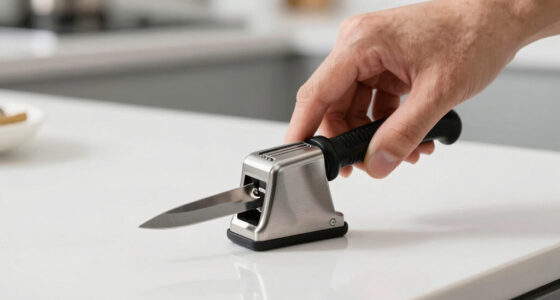
Japanese-style knives often reward careful handling, but buyers should be honest about how much upkeep they will do. Hand-wash and dry a quality knife promptly rather than leaving it in a sink or dishwasher, where impacts and harsh conditions can damage the edge or handle. Use a wood or suitable plastic board and avoid cutting frozen food, bones, or very hard items with a thin chef’s blade. Regular honing is not a substitute for sharpening, and some hard steels call for a whetstone or a capable sharpening service. If you rarely maintain tools, prioritize clear care guidance and a blade that feels manageable over a dramatic steel specification.
Prioritize Grip and Balance Over Handle Materials
Rosewood, ebony, and other wood handles can look appealing, but appearance does not establish comfort or control. Handle shape, thickness, weight distribution, and your grip style matter more during repeated prep. A pinch grip may feel secure on one handle while another suits a full-hand grip better. If possible, compare dimensions and total weight, and look for a return policy that allows a fit check. A sheath can protect the edge during drawer storage or transport, but it does not replace a knife guard or safe storage habits. Do not pay extra attention to decorative materials while overlooking whether the knife will feel controlled in your hand.
Decide Whether a Specialized Blade Earns Its Place
A longer 9-inch knife can speed up broad slicing, but it needs more board space and may feel cumbersome for smaller hands or compact kitchens. A kiritsuke can be a satisfying multipurpose choice for an experienced cook who likes a pointed tip, yet it is not automatically more versatile than a standard gyuto. For a first Japanese chef knife, a familiar 8-inch profile often leaves fewer technique adjustments to learn. Consider what your current knife does poorly before adding a specialized shape. If you mainly need a reliable all-purpose cutter, choose usability over novelty; if precise tip work is a regular part of your prep, the specialized profile may make sense.
Pay for Clear Advantages, Not Just Visual Detail
A higher-priced knife is easier to justify when its maker provides useful information about construction, care, support, and fit—not simply a layered appearance or elaborate packaging. The lineup includes several Damascus-style options, so the pattern alone does little to distinguish one from another. Look for a credible explanation of the steel, a well-described handle, and a warranty or sharpening pathway that matches your expectations. For a first purchase, a balanced everyday gyuto can offer more value than a premium knife whose special features you will not use. Spend more when a specific advantage matters to you, such as an established maker, a shape you prefer, or dependable after-sale support.
Frequently Asked Questions
Is VG10 a good choice for my first Japanese chef knife?
VG10 can suit a first purchase if you are willing to use a suitable board, avoid twisting cuts, and keep the blade clean and dry. The steel name alone does not predict how a particular knife will feel or hold its edge, since geometry and heat treatment also matter. If you are moving from a soft, forgiving knife, use a light hand and avoid scraping food sideways with the edge. A well-documented gyuto is generally a simpler first choice than a more specialized kiritsuke. Check the maker’s sharpening and care guidance before buying.
Should I choose a Damascus knife over a plain-finish blade?
Choose Damascus if you like the layered appearance or prefer the construction of a specific knife, not because the pattern guarantees better cutting. Cutting feel depends more on the edge geometry, steel treatment, and how the knife fits your hand. A plain-finish blade can perform just as well and may make it easier to focus on practical specifications. Compare care requirements and support information across models rather than ranking them by the number of visible layers. The Damascus options in this roundup differ in shape and handle details, so those are stronger reasons to choose between them.
Is a kiritsuke a sensible choice as my only chef knife?
It can be, especially if you already like a flatter cutting profile and make frequent use of the pointed tip. For many cooks, a standard gyuto is easier to use as a first all-purpose knife because its familiar curve accommodates more cutting styles. A kiritsuke is not automatically more capable; it may simply suit a different technique and preference. Consider the KEEMAKE or HOSHANHO kiritsuke options only after thinking about your board space, grip, and preferred motion. If you often rock-cut, a gyuto may feel more natural.
How should I store a Japanese chef knife that comes with a sheath?
A sheath can protect the edge in a drawer or during transport, but the blade should be clean and fully dry before you slide it in. Moisture trapped against the blade can contribute to corrosion, especially on steels that need more attentive care. Store the covered knife where it cannot shift or fall, and keep the sheath itself clean. A knife block, magnetic strip, or dedicated drawer insert can also work if it protects the edge and keeps the blade secure. Treat the included sheath as one storage option, not a replacement for safe handling.
What should I check before buying a knife described as under $500?
Confirm the exact model, blade length, steel description, handle construction, and included accessories, since similar product names can conceal different specifications. Check the maker’s care instructions, warranty terms, and available sharpening support before focusing on decorative features. A chef knife in this category should fit your grip and cutting style, so compare weight and dimensions when those details are listed. Also consider whether your board, storage, and sharpening setup suit a harder blade. This roundup avoids price claims; verify the current listing and total cost at the time you shop.
Conclusion
For the strongest all-around recommendation, I’d start with the Shun Premier 8-Inch Chef’s Knife, the lineup’s clearest premium-oriented choice. If you want an everyday gyuto profile with a feature-focused presentation, compare the HOSHANHO 8-Inch Japanese Gyuto and the MITSUMOTO SAKARI 8-Inch Gyuto for the specifications and care details that fit your priorities; these are the most sensible value-oriented candidates to investigate. For beginners, I’d favor a familiar 8-inch gyuto over either kiritsuke, with the HOSHANHO Gyuto a practical place to start. Choose the KEEMAKE VG10 Kiritsuke or HOSHANHO 9-Inch Kiritsuke if you specifically want a pointed profile or longer blade and have the space and technique to use it. The right knife is the one whose shape, upkeep, and grip match your cooking—not the one with the most dramatic Damascus pattern.