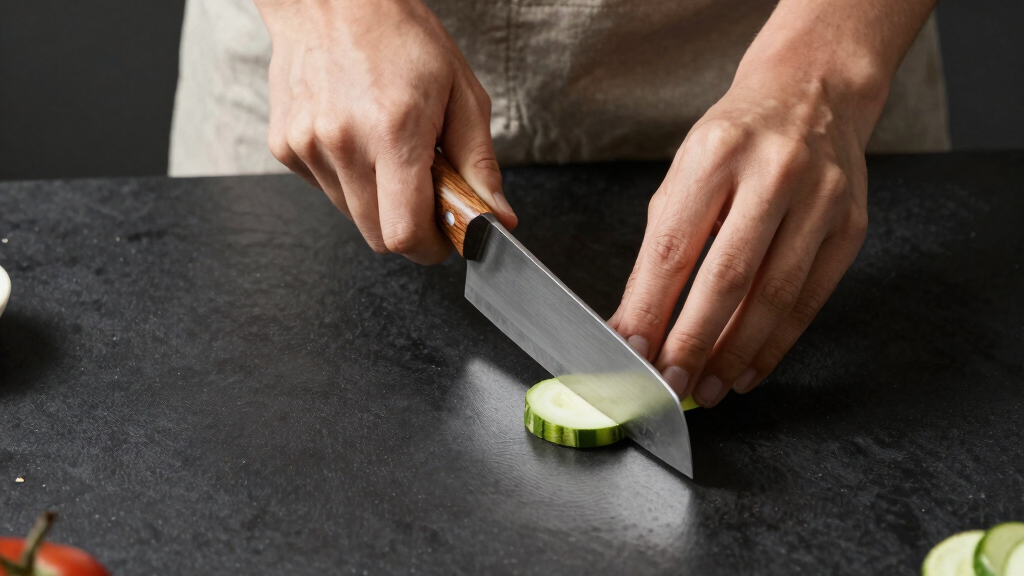
If you’re searching for the best nakiri knife with a wa handle, you’re likely looking for a tool that combines precision, traditional craftsmanship, and comfortable handling. The KEEMAKE Nakiri 7 inch stands out as the overall top pick thanks to its sharpness and balanced weight, perfect for everyday vegetable prep. For those seeking a premium experience, the Masamoto KA offers exceptional steel quality and an authentic Japanese feel, though at a higher price point. Another solid option is the Yoshihiro VG10 Damascus Nakiri, which excels in aesthetics and edge retention. The main tradeoffs in this category revolve around price versus craftsmanship and how much you value traditional techniques versus modern steel technology. Continue reading for an in-depth comparison to help you find the best fit for your kitchen needs.

Get kitchen gear delivered free with Prime
- Fast, free delivery on millions of items
- Prime Video, Amazon Music and more included
- Member-only deals all year
Complete the kit


Key Takeaways
- Top picks balance craftsmanship, steel quality, and handle comfort, with the KEEMAKE offering the best overall value.
- Premium options like Masamoto KA provide superior steel and traditional aesthetic but come at a higher cost.
- Handle comfort and grip stability are consistent strengths in wa-style nakiris, especially in mid-range and high-end models.
- Blade material and edge retention vary significantly; high-carbon steels tend to stay sharp longer but require more maintenance.
- Price ranges from budget-friendly to high-end, with the most expensive options offering traditional craftsmanship and rare steels.
| KEEMAKE Nakiri Knife 7 inch – Vegetable Japanese Chef’s Knife |  | Best Overall for Durability and Easy Maintenance | Blade Length: 7 inches | Material: Japanese 440C high carbon stainless steel | HRC: 58+ | VIEW LATEST PRICE | See Our Full Breakdown |
| HOSHANHO 7 Inch Nakiri Knife, Ultra Sharp Japanese Kitchen Chef Knife |  | Best for Precision and Versatility | Blade Length: 7 inches | Material: Japanese 10Cr15CoMoV high carbon stainless steel | Blade Hardness: 60 HRC | VIEW LATEST PRICE | See Our Full Breakdown |
| Masamoto KA Japanese Nakiri Knife 6.5″ (165mm), Kurouchi Wa-Nakiri Vegetable Knife, Aogami Blue Steel #2 Blade |  | Best for Traditional Craftsmanship and Sharpness | Blade Length: 6.5 inches (165 mm) | Blade Material: Aogami Blue Steel #2 | Blade Finish: Kurouchi | VIEW LATEST PRICE | See Our Full Breakdown |
| Masamoto FS Nakiri Knife 6.5″ (165mm) Made in Japan – Professional Japanese Vegetable Knife with Powdered Stainless Steel Blade & Wa Wood Handle |  | Best for Balance of Performance and Maintenance Ease | Blade Length: 6.5 inches (165 mm) | Blade Material: Powdered stainless steel | Hardness: 60 HRC | VIEW LATEST PRICE | See Our Full Breakdown |
| Yoshihiro VG10 46-Layer Hammered Damascus Nakiri Japanese Vegetable Knife (6.5″ Rosewood Handle) |  | Best for Artistic Craftsmanship and Durability | Blade Material: VG10 Stainless Steel | Number of Damascus Layers: 46 | Edge: Double Edged | VIEW LATEST PRICE | See Our Full Breakdown |
| MITSUMOTO SAKARI 7-Inch Japanese Nakiri Knife, 3-layer 9Cr18MoV Steel |  | Best Overall for Traditional Craftsmanship and Versatility | Blade Length: 7 inches | Steel Type: 9Cr18MoV high carbon stainless steel | Blade Type: Nakiri | VIEW LATEST PRICE | See Our Full Breakdown |
| iMarku Nakiri Knife 7 Inch – Razor Sharp Japanese Kitchen Chef Knife |  | Best for Precision and Professional Control | Blade Length: 7 inches | Blade Material: High-carbon stainless steel | Handle Material: Pakkawood | VIEW LATEST PRICE | See Our Full Breakdown |
| FINTISO 7″ Nakiri Knife – Japanese High Carbon Stainless Steel Vegetable Chopping Knife with G10 Ergonomic Handle |  | Best for Balance of Sharpness and Ergonomics | Blade Length: 7 inches | Material: Japanese high carbon stainless steel | Handle Material: G10 | VIEW LATEST PRICE | See Our Full Breakdown |
| Milk Street 6.75-inch Nakiri Knife by Christopher Kimball |  | Best Compact Option for Precision and Control | Blade Length: 6.75 inches | Material: 1.4116 German Steel | Blade Height: 2 inches | VIEW LATEST PRICE | See Our Full Breakdown |
| nakiri knife with wa handle | Blade Length | Handle Material |
|---|---|---|
| KEEMAKE Nakiri Knife 7 inch | 7 inches | Rosewood with G10 bolster |
| HOSHANHO 7 Inch Nakiri Knife | 7 inches | Pakkawood |
| Masamoto KA Japanese Nakiri Kn | 6.5 inches (165 mm) | Magnolia wood and water buffalo horn |
| Masamoto FS Nakiri Knife 6.5" | 6.5 inches (165 mm) | Magnolia wood and water buffalo horn |
| Yoshihiro VG10 46-Layer Hammer | — | — |
| MITSUMOTO SAKARI 7-Inch Japane | 7 inches | Rosewood |
| iMarku Nakiri Knife 7 Inch | 7 inches | Pakkawood |
| FINTISO 7" Nakiri Knife | 7 inches | G10 |
| Milk Street 6.75-inch Nakiri K | 6.75 inches | Polymer with textured finish |
More Details on Our Top Picks
KEEMAKE Nakiri Knife 7 inch – Vegetable Japanese Chef’s Knife
This KEEMAKE Nakiri stands out for its high-quality Japanese 440C stainless steel, which offers excellent edge retention and rust resistance, making it ideal for busy kitchens that need reliable performance. Compared to the Masamoto KA with its traditional Aogami steel, KEEMAKE’s non-stick coating simplifies cleaning and reduces sticking, though the coating may wear over time. Its balanced rosewood handle with G10 bolster provides durability and comfort, but some users may prefer a more traditional wooden feel. This knife is best suited for home cooks and professionals who prioritize low-maintenance tools that can handle daily vegetable prep without frequent sharpening or rust issues.
Pros:- High-quality Japanese 440C steel for durability and corrosion resistance
- Non-stick coating simplifies cleaning and prevents rusting
- Balanced rosewood handle with G10 bolster for comfort and strength
Cons:- Non-stick coating may wear with heavy use
- Handle may feel less traditional for some users
Best for: Busy home cooks and professional chefs needing a durable, easy-to-clean vegetable knife
Not ideal for: Purists seeking a fully traditional Japanese aesthetic or those requiring a handle that ages naturally over time
- Blade Length:7 inches
- Material:Japanese 440C high carbon stainless steel
- HRC:58+
- Handle Material:Rosewood with G10 bolster
- Blade Coating:Non-stick black coating
Our verdict“This pick is perfect for those who want a low-maintenance, durable nakiri with a modern coating and reliable performance.”
HOSHANHO 7 Inch Nakiri Knife, Ultra Sharp Japanese Kitchen Chef Knife
The HOSHANHO 7-inch Nakiri makes a compelling choice for those who value an exceptionally sharp edge and versatile cutting capability, thanks to its high carbon stainless steel with 60 HRC hardness. Unlike the KEEMAKE, which emphasizes rust resistance, HOSHANHO’s high carbon steel demands more maintenance but offers superior sharpness and edge retention. Its ergonomic pakkawood handle is designed for comfort during extended use, making it ideal for chefs who slice vegetables, fruits, and even delicate meats with ease. Compared to the Masamoto KA, this knife provides a more contemporary feel and less rustic aesthetic but requires careful handling to prevent rust and maintain its edge.
Pros:- Extremely sharp edge with high carbon stainless steel at 60 HRC
- Ergonomic pakkawood handle reduces fatigue
- Versatile for slicing vegetables, fruits, and meats
- Stylish with scalloped sides for effective food release
Cons:- Requires careful handling to prevent rust and maintain sharpness
- Handle may degrade if exposed to excessive moisture
Best for: Cooks who prioritize precision cutting and are willing to perform regular maintenance
Not ideal for: Those seeking a low-maintenance, rust-proof knife or beginners unfamiliar with high carbon steel care
- Blade Length:7 inches
- Material:Japanese 10Cr15CoMoV high carbon stainless steel
- Blade Hardness:60 HRC
- Handle Material:Pakkawood
- Edge Angle:15 degrees
Our verdict“Ideal for users who want a highly sharp, versatile nakiri and are prepared for regular upkeep.”
Masamoto KA Japanese Nakiri Knife 6.5″ (165mm), Kurouchi Wa-Nakiri Vegetable Knife, Aogami Blue Steel #2 Blade
The Masamoto KA excels in delivering traditional Japanese craftsmanship with its Aogami Blue Steel #2, offering exceptional sharpness and edge durability. Its rustic Kurouchi finish adds aesthetic charm and rust resistance, making it ideal for purists who appreciate traditional looks. The lightweight Wa-style handle provides excellent control for precise vegetable cuts, but its softer handle may require some adjustment for comfort. Compared to the VG10 Damascus, this knife is less ornate but more focused on performance and authenticity. It’s best suited for professional chefs and serious enthusiasts who value classic quality over modern convenience, though it demands careful maintenance due to its carbon steel composition.
Pros:- Exceptional sharpness with Aogami Blue Steel #2
- Rust-resistant Kurouchi finish adds rustic beauty
- Lightweight Wa handle offers precise control
Cons:- Requires meticulous maintenance to prevent rust
- Handle may need adjustment for comfort
Best for: Professional chefs and enthusiasts seeking a traditional, high-performance Japanese vegetable knife
Not ideal for: Beginners or those who prefer low-maintenance tools, since it requires careful care and sharpening
- Blade Length:6.5 inches (165 mm)
- Blade Material:Aogami Blue Steel #2
- Blade Finish:Kurouchi
- Handle Material:Magnolia wood and water buffalo horn
- Hardness:62-63 HRC
Our verdict“This knife suits those dedicated to traditional Japanese knife craftsmanship and willing to care for a high-carbon steel blade.”
Masamoto FS Nakiri Knife 6.5″ (165mm) Made in Japan – Professional Japanese Vegetable Knife with Powdered Stainless Steel Blade & Wa Wood Handle
The Masamoto FS offers a balanced approach with its powdered stainless steel blade, combining high sharpness with easier upkeep compared to carbon steel options. Its Wa-style magnolia handle ensures comfortable grip for extended use, making it a practical choice for both home cooks and professionals. Compared with the Aogami Blue Steel Masamoto KA, the FS version provides a more maintenance-friendly profile, though slightly less edge-holding capacity. This knife is best for those who want high performance without the intensive care required for traditional high-carbon blades, but the blade shape may not fit all saya cases, and handling the wood handle needs some regular cleaning.
Pros:- Micro-fine carbides for long-lasting sharpness
- Comfortable Wa-style handle for secure grip
- Easier to maintain than high-carbon steels
Cons:- Blade shape may not fit all storage cases
- Handle requires regular cleaning to preserve materials
Best for: Cooks seeking high performance with easier maintenance, suitable for daily use
Not ideal for: People who prefer traditional carbon steel blades or have very specific saya fitting needs
- Blade Length:6.5 inches (165 mm)
- Blade Material:Powdered stainless steel
- Hardness:60 HRC
- Handle Material:Magnolia wood and water buffalo horn
- Handle Shape:Oval-shaped
Our verdict“This knife provides a practical blend of sharpness and ease of care, perfect for everyday professional or home use.”
Yoshihiro VG10 46-Layer Hammered Damascus Nakiri Japanese Vegetable Knife (6.5″ Rosewood Handle)
The Yoshihiro VG10 Damascus nakiri combines beauty with performance, thanks to its 46-layer hammered Damascus steel core. Its VG10 stainless steel offers excellent corrosion resistance and edge retention, making it a reliable choice for those who want a visually stunning and functional knife. The octagonal rosewood handle adds a classic touch, but it may require more careful maintenance and hand washing to preserve its appearance and integrity. When compared with the Masamoto KA, it stands out for its layered Damascus design and included saya, making it ideal for collectors and cooks who appreciate artistry alongside performance. However, it’s less suited for those who prefer low-maintenance or more affordable options.
Pros:- 46-layer Damascus steel with hammered finish for durability and aesthetics
- VG10 core offers excellent corrosion resistance
- Includes traditional octagonal rosewood handle and saya
Cons:- Requires careful sharpening and hand wash only
- Handle material may need maintenance to prevent damage
Best for: Enthusiasts seeking a handcrafted, beautiful knife with excellent durability and edge retention
Not ideal for: Users who prefer low-maintenance steel or are concerned about delicate handle materials
- Blade Material:VG10 Stainless Steel
- Number of Damascus Layers:46
- Edge:Double Edged
- Handle Shape:Octagonal
- Knife Style:Nakiri Vegetable Knife
- Saya Cover:Natural Magnolia Wood
Our verdict“This nakiri is ideal for those who value craftsmanship and striking design alongside reliable cutting performance.”
MITSUMOTO SAKARI 7-Inch Japanese Nakiri Knife, 3-layer 9Cr18MoV Steel
This Nakiri stands out for its hand-forged 3-layer steel construction and a sharp 15° edge that delivers exceptional precision for vegetable prep. Compared with the FINTISO, it offers a more traditional, textured finish that reduces sticking, but the handle may need maintenance over time. Its rosewood handle provides a comfortable grip, and the 7-inch blade is ideal for those who prioritize a classic Japanese aesthetic. While it’s excellent for vegetable slicing, it’s less suited for tasks beyond that scope, and the handle requires some care to prevent cracking. The combination of durability and traditional craftsmanship makes this pick perfect for cooks who value artisanal quality and a refined look.
Pros:- Hand-forged 3-layer steel for durability
- Sharp 15° edge for precise cuts
- Comfortable rosewood handle
- Attractive textured finish to reduce sticking
Cons:- Handle may require maintenance to prevent cracking
- Limited to vegetable preparation, not suitable for other tasks
Best for: Home cooks and professionals seeking a durable, handcrafted Nakiri with a traditional feel
Not ideal for: Those needing a versatile knife for multiple tasks or low-maintenance handles
- Blade Length:7 inches
- Steel Type:9Cr18MoV high carbon stainless steel
- Blade Type:Nakiri
- Edge Angle:15°
- Hardness:HRC 60±2
- Handle Material:Rosewood
Our verdict“This Nakiri is ideal for enthusiasts who appreciate traditional Japanese craftsmanship and focus mainly on vegetable prep.”
iMarku Nakiri Knife 7 Inch – Razor Sharp Japanese Kitchen Chef Knife
The iMarku 7-inch Nakiri makes a compelling case for those who desire an ultra-sharp blade paired with ergonomic comfort. Its high-carbon steel and razor-sharp edge outperform the Mitsumoto Sakari in initial sharpness, and the hammered, hollow-edge design helps prevent food from sticking—an advantage in busy kitchens. Compared to the FINTISO, it offers a more aggressive, mirror-polished finish but requires hand washing and careful handling to maintain its edge. The ergonomic Pakkawood handle provides a secure, slip-resistant grip, making it suitable for professional chefs or serious home cooks. However, its focus on vegetable slicing means it’s less adaptable for other kitchen tasks, and the need for careful maintenance might be a drawback for some users.
Pros:- Ultra sharp blade for precise slicing
- Hammered, anti-stick design
- Ergonomic, slip-resistant handle
- High-carbon steel for durability
Cons:- Hand wash only, not dishwasher safe
- May require frequent sharpening to retain edge sharpness
Best for: Professional chefs or home cooks who prioritize razor-sharp precision and ease of control during vegetable prep
Not ideal for: Users seeking a versatile, all-purpose knife or those uncomfortable with hand-wash-only care
- Blade Length:7 inches
- Blade Material:High-carbon stainless steel
- Handle Material:Pakkawood
- Edge Angle:15°
- Design Features:Hammered finish, hollow-edge, mirror-polished spine
- Includes:Protective sheath, gift box
Our verdict“This Nakiri suits experienced cooks who want a highly precise, easy-to-control vegetable knife with a sleek design.”
FINTISO 7″ Nakiri Knife – Japanese High Carbon Stainless Steel Vegetable Chopping Knife with G10 Ergonomic Handle
The FINTISO 7-inch Nakiri offers a superb blend of sharpness, corrosion resistance, and ergonomic comfort. Its Japanese high carbon stainless steel ensures excellent edge retention, rivaling the iMarku but with less maintenance fuss. The full-tang G10 handle provides a secure grip, making it a solid choice for everyday vegetable prep at home. Compared with the Milk Street Nakiri, it offers a more refined handle and a full-tang construction, enhancing balance and durability. The straight, razor-sharp blade handles detailed cuts well, but it requires careful handling to preserve its edge—similar to the other high-end options. This pick is perfect for those who want a reliable, high-performing knife that balances traditional Japanese steel with modern ergonomics.
Pros:- Exceptional sharpness and edge retention
- Ergonomic, full-tang G10 handle
- Corrosion-resistant high carbon steel
- Ideal for precise vegetable slicing
Cons:- Requires careful handling to maintain sharpness
- Handle may feel large for some users
Best for: Home cooks and culinary enthusiasts looking for a durable, well-balanced Nakiri for regular use
Not ideal for: Users who prefer smaller, lighter knives or those who dislike the need for careful maintenance
- Blade Length:7 inches
- Material:Japanese high carbon stainless steel
- Handle Material:G10
- Handle Type:Ergonomic, full-tang
- Blade Type:Straight edge
- Edge Finish:Hand-finished to a precision edge
Our verdict“This Nakiri provides a reliable balance of sharpness, comfort, and durability for everyday vegetable work.”
Milk Street 6.75-inch Nakiri Knife by Christopher Kimball
The Milk Street Nakiri offers a slightly smaller blade at 6.75 inches, making it more manageable for users with smaller hands or limited storage space. Crafted from German 1.4116 steel, it combines good sharpness with durability, though it requires immediate hand washing to prevent corrosion—similar to the FINTISO. Its textured, embossed blade pattern ensures smooth slicing and easy ingredient release, comparable to the textured finish of the Mitsumoto Sakari. The polymer handle with a textured finish provides a secure grip, though it might lack the warmth of wood handles. Its reduced size makes it less suitable for large-volume tasks but ideal for detailed vegetable work and those seeking a more compact knife.
Pros:- Sharp German steel blade
- Textured surface for effortless slicing
- Ergonomic, secure grip handle
- Compact size for easier maneuverability
Cons:- Must be hand washed and dried immediately
- Not suitable for large, bulky chopping tasks
- Sharpening required at a 17° angle to maintain edge
Best for: Cooks with smaller hands or limited kitchen space who want precise vegetable prep in a manageable size
Not ideal for: Those needing a larger, more versatile knife or for heavy-duty tasks
- Blade Length:6.75 inches
- Material:1.4116 German Steel
- Blade Height:2 inches
- Handle Material:Polymer with textured finish
- Blade Pattern:Embossed file pattern
- Care Instructions:Hand wash and dry immediately
Our verdict“This Nakiri is perfect for those seeking a smaller, highly controllable vegetable knife with good durability.”

How We Picked
Products were selected based on a combination of performance, craftsmanship, handle quality, and overall value. We prioritized knives with authentic wa handles that offer ergonomic comfort and traditional Japanese aesthetics. Steel quality, edge retention, and ease of sharpening played key roles in the ranking, along with build durability and user reviews. Our goal was to identify knives that deliver reliable cutting performance for both professional chefs and home cooks, while also representing a range of price points and craftsmanship levels. The final lineup balances these factors to showcase the best options across different budgets and preferences.| nakiri knife with wa handle | Handle Material |
|---|---|
| KEEMAKE Nakiri Knife 7 inch | Rosewood with G10 bolster |
| HOSHANHO 7 Inch Nakiri Knife | Pakkawood |
| Masamoto KA Japanese Nakiri Kn | Magnolia wood and water buffalo horn |
| Masamoto FS Nakiri Knife 6.5" | Magnolia wood and water buffalo horn |
| Yoshihiro VG10 46-Layer Hammer | — |
| MITSUMOTO SAKARI 7-Inch Japane | Rosewood |
| iMarku Nakiri Knife 7 Inch | Pakkawood |
| FINTISO 7" Nakiri Knife | G10 |
| Milk Street 6.75-inch Nakiri K | Polymer with textured finish |
Factors to Consider When Choosing Best Nakiri Knife With Wa Handle
Choosing the best nakiri with a wa handle involves several important considerations. Beyond aesthetics, you should evaluate the steel quality, handle ergonomics, and your specific cutting needs. A good nakiri should feel balanced, comfortable, and capable of delivering precise cuts for vegetables and more. Understanding these factors can help you avoid common pitfalls like poor handle fit or steel that dulls quickly. This guide highlights key aspects that influence your decision, helping you select a knife tailored to your cooking style and maintenance willingness.Steel Quality and Edge Retention
The steel used in a nakiri determines how sharp it can get, how long it stays sharp, and how easy it is to sharpen when needed. High-carbon steels like Aogami Blue Steel or VG10 are prized for their edge-holding abilities but require careful maintenance to prevent rust. Stainless steels, such as 9Cr18MoV, offer easier upkeep but might not stay sharp as long. Your choice should depend on how much effort you’re willing to invest in sharpening and rust prevention, as well as your preferred cutting precision.Handle Ergonomics and Comfort
A wa handle is traditionally made from magnolia wood or similar materials, offering a natural feel that many chefs prefer. The handle’s shape, size, and grip texture significantly affect comfort during extended use. Look for handles that fit your hand size comfortably and provide a secure grip, especially if you cook for long periods. Avoid handles that are too small or too large, as poor fit can lead to fatigue or slips, impacting safety and precision.Blade Length and Weight Balance
Nakiri knives typically range from 6.5 to 7 inches, with longer blades offering more cutting surface but possibly less control in tight spaces. The balance point—ideally near the handle—affects control and fatigue during use. A well-balanced knife feels natural in your hand, reducing strain and increasing precision. Consider your typical cutting tasks: a lighter, balanced knife suits delicate slicing, while a heavier one can handle tougher vegetables more efficiently.Aesthetics and Traditional Craftsmanship
Many buyers value the look and feel of a traditional wa handle, which often features polished wood and hand-finished details. Besides beauty, craftsmanship can indicate quality—hand-forged blades and authentic fittings tend to be more durable and perform better over time. However, high craftsmanship often comes with a higher price tag, so weigh the visual appeal against your budget and maintenance willingness. Cheaper options may sacrifice some traditional details but still offer good cutting performance.Price and Maintenance Considerations
Budget options can be surprisingly capable but may lack durability or traditional aesthetic details. Premium knives typically deliver better steel, craftsmanship, and handle comfort, but require more careful maintenance—especially high-carbon steels prone to rust. Consider how much time you’re willing to devote to sharpening and cleaning. A balanced approach involves finding a knife that offers good performance without demanding excessive upkeep, especially if you’re new to Japanese knives.Frequently Asked Questions
What steel is best for a nakiri with a wa handle?
High-carbon steels like Aogami Blue Steel or VG10 are often preferred for their excellent edge retention and sharpness. These steels deliver a precise cut but need careful cleaning and drying to prevent rust. Stainless steels such as 9Cr18MoV provide a good balance of durability and ease of maintenance, making them suitable for everyday use without the extra care high-carbon steels demand. Your choice depends on your willingness to maintain the blade and your priority for sharpness longevity.How does handle ergonomics affect my cutting experience?
A well-designed wa handle should feel comfortable and secure in your hand, reducing fatigue during prolonged use. The shape, size, and material influence grip stability and control, which are critical for precise vegetable cuts. Handles that are too small or too large can cause discomfort or slips, especially when chopping vigorously. Choosing a handle that fits your hand comfortably improves safety and allows for more consistent, accurate cuts.Is a higher price always worth it for a nakiri with a wa handle?
Not necessarily. Higher-priced knives often feature better steel, traditional craftsmanship, and more durable handles, which can translate into longer-lasting performance and a more authentic feel. However, budget-friendly options can still provide excellent cutting ability, especially if you’re new to Japanese knives or don’t need professional-grade durability. Consider your budget, how often you cook, and your maintenance willingness when evaluating whether a more expensive knife is justified.Should I choose a longer blade for vegetable prep?
A longer blade, like 7 inches, offers more cutting surface, which can speed up vegetable prep and handle larger vegetables more comfortably. However, longer blades can be slightly less maneuverable in tight spaces or for intricate cuts. If you mostly prepare small vegetables or work in confined kitchen spaces, a 6.5-inch nakiri might provide better control. Match the blade length to your typical tasks and kitchen setup for the best experience.How important is traditional craftsmanship versus modern steel in a nakiri?
Traditional craftsmanship often involves hand-forging and authentic fittings, which can enhance durability and aesthetic appeal. These knives tend to be more labor-intensive and expensive but may offer superior balance and beauty. Modern steels, on the other hand, can provide excellent performance with less care, especially stainless varieties. Your choice depends on whether you prioritize the artistry and heritage of the knife or prefer low-maintenance, high-performance steel for daily use.Conclusion
The best overall pick for most cooks is the KEEMAKE Nakiri 7 inch, offering excellent sharpness and balance at a reasonable price. For those seeking premium craftsmanship and traditional steel, the Masamoto KA is the go-to, despite its higher cost. Beginners or casual cooks might prefer the FINTISO 7-inch Nakiri for its ease of use and maintenance. If you prioritize aesthetics and high-end materials, the Yoshihiro VG10 Damascus stands out. Ultimately, your choice should align with your cooking needs, maintenance willingness, and budget, ensuring you find a nakiri that enhances your vegetable prep with a comfortable, traditional wa handle experience.