To spot a warped or uneven cutting board, look for edges that are curling or lifting, which indicates warping. Check the surface by placing it on a flat surface; any rocking or wobbling suggests unevenness. Feel for bumps, dips, or grain lifting that can affect stability and safety. Examine both sides for swelling or grain separation caused by moisture damage. If you want to know more about identifying hidden issues, keep exploring the signs to watch for.

Get kitchen gear delivered free with Prime
- Fast, free delivery on millions of items
- Prime Video, Amazon Music and more included
- Member-only deals all year
Key Takeaways
- Place the board on a flat surface and check for rocking or wobbling.
- Run fingers over the surface to feel for bumps, dips, or uneven spots.
- Inspect edges for curling or lifting, indicating warping.
- Look for discoloration, swelling, or grain separation underneath the surface.
- Observe if the board does not sit flush, suggesting warping or twisting.
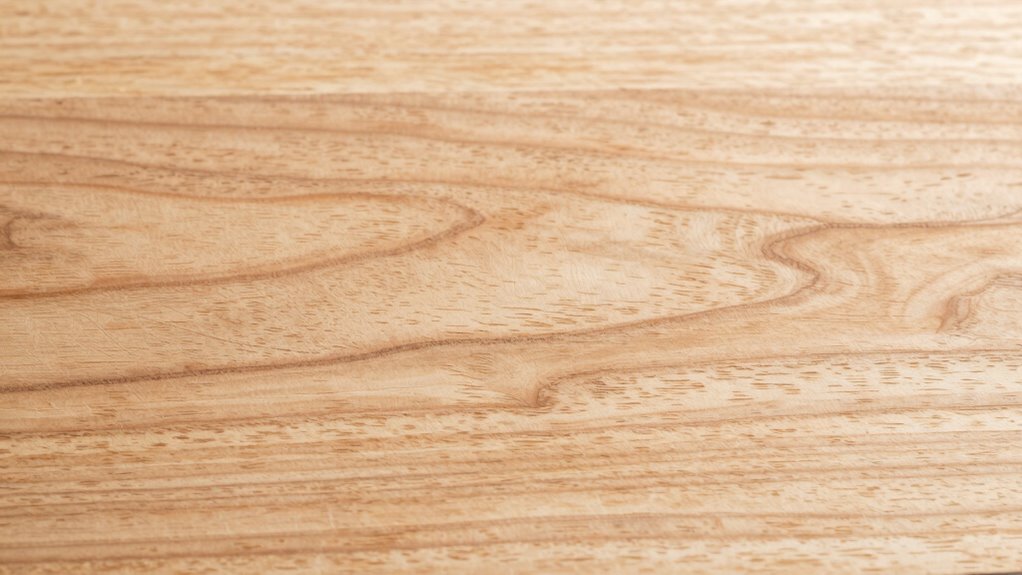
A warped or uneven cutting board can make food prep frustrating and even unsafe. When you’re chopping, slicing, or dicing, an uneven surface throws off your rhythm and can cause accidents. To spot these issues, you need to pay close attention to the wood grain and any signs of moisture damage, which are often the culprits behind a warped board.
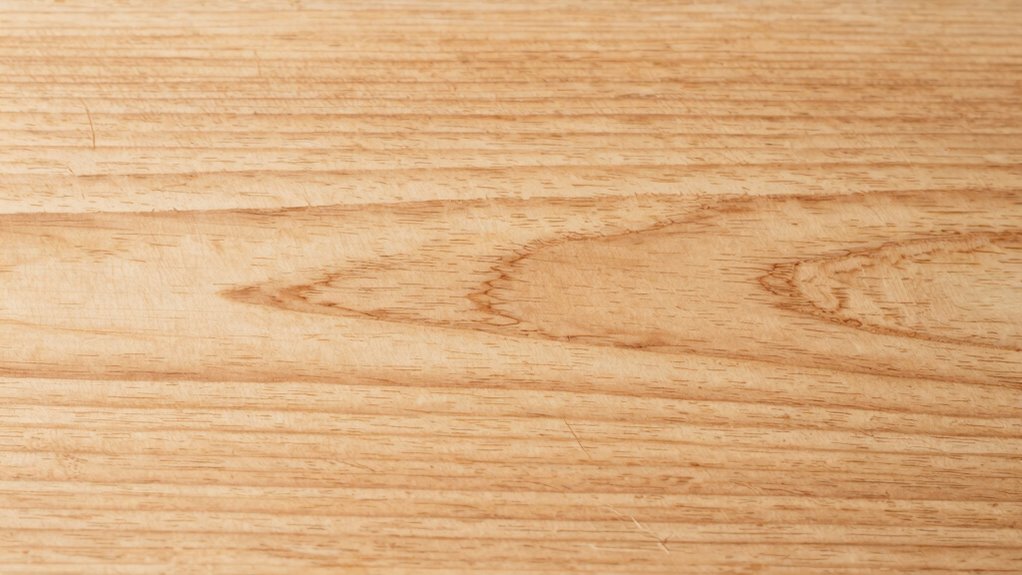
Start by inspecting the wood grain. A healthy cutting board typically has a consistent grain pattern that runs smoothly across the surface. If you notice areas where the grain appears irregular, raised, or disjointed, it could be a sign the wood has started to warp. Sometimes, the grain might look like it’s lifting or separating from the surface, indicating internal stress or damage. These imperfections can lead to unevenness, making your cutting surface uneven or wobbly.
Inspect the wood grain for irregularities, lifting, or separation indicating internal stress or damage.
Moisture damage is another major indicator. Wood is highly susceptible to moisture, and if your board has absorbed too much water, it can swell and warp. Check for discoloration, dark spots, or a damp feeling on the surface—these are clues that moisture has penetrated the wood. Over time, repeated exposure to water without proper drying can cause the fibers to swell unevenly, resulting in a distorted surface. You might also notice the edges of the board curling or warping upward, which is classic moisture damage at work. Water absorption can be a key factor in the warping process.
To further evaluate, place the board on a flat surface and observe if it rocks or wobbles. An uneven board may not sit flush, revealing warping or twisting. Run your hand gently over the surface to feel for bumps or dips. Sometimes, warping is subtle but still enough to affect your cutting. If the board feels uneven or unstable, it’s a clear sign that it’s no longer flat and safe to use. Additionally, understanding how wood responds to moisture can help in assessing whether the damage is reversible or permanent.
If you suspect moisture damage, check the underside of the board as well. Warping often begins from the inside out, so the bottom may look swollen or have areas where the grain appears to be separating. Properly dried and seasoned wood is less likely to warp, but if your board has been exposed to moisture repeatedly, the damage can be irreversible. Recognizing these signs early helps you decide whether to repair, refinish, or replace your cutting board.
As an affiliate, we earn on qualifying purchases.
Frequently Asked Questions
Can a Warped Cutting Board Be Fixed Permanently?
Yes, a warped cutting board can be fixed permanently with proper restoration techniques. You can use material reinforcement, like applying food-safe epoxy or wood fillers, to stabilize the surface. Sanding the board smoothly and applying oil can also help. Remember, consistent maintenance prevents future warping. While some warping might be permanent if severe, these techniques often restore a functional, flatter surface that lasts with proper care.
How Often Should I Check for Warping?
You should check your cutting board for warping every few months to catch issues early. Regular inspections help you identify signs of warping or uneven surfaces. Use proper storage solutions, like standing the board vertically or keeping it in a dry, cool place, to prevent warping. Consistent checks and good storage habits guarantee your cutting board stays flat and safe for food prep, extending its lifespan effectively.
Does Material Affect the Likelihood of Warping?
Did you know that softer woods are 60% more prone to warping? Material affects the likelihood of surface deformation, with durability playing a key role. Hardwoods like maple resist warping better than softer options like pine. Choosing durable materials reduces your risk of uneven surfaces, ensuring your cutting board stays flat and safe for food prep. So, opt for high-quality, dense woods for long-lasting, warp-resistant use.
Are Certain Cutting Board Shapes More Prone to Warping?
Certain cutting board shapes, like round or irregular ones, tend to be more prone to warping because of uneven pressure distribution and less structural support. To prevent warping, focus on warping prevention by choosing sturdy, thick boards and avoiding prolonged exposure to moisture or heat. Regularly oil your cutting board and store it properly. These steps help maintain its shape and extend its lifespan, regardless of the shape.
Can Improper Cleaning Cause Warping?
Think of your cutting board like a plant—if you overwater it, warping can occur. Improper cleaning with dish soap and poor drying techniques can cause moisture buildup, leading to warping over time. Always wash your board thoroughly with gentle dish soap, then dry it promptly and completely. This prevents water from seeping in and causing uneven expansion, keeping your board flat and stable for safer, more effective food prep.
moisture resistant cutting board
As an affiliate, we earn on qualifying purchases.
As an affiliate, we earn on qualifying purchases.
Conclusion
Now that you know the signs of a warped or uneven cutting board, you’re practically a kitchen detective! Spotting that crooked surface before it ruins your chopping game is like catching a sneaky ninja in action. With your newfound skills, you’ll prevent accidental cuts, uneven slices, and even kitchen chaos. Say goodbye to the days of battling your board—you’re now the ultimate kitchen hero, ready to conquer any culinary challenge with confidence!
wood cutting board leveling tools
As an affiliate, we earn on qualifying purchases.
As an affiliate, we earn on qualifying purchases.
As an affiliate, we earn on qualifying purchases.
Fall Picks
fall essentials
As an affiliate, we earn on qualifying purchases.