
You might find some knives feel more fragile due to their design, materials, or construction. Thin blades, lightweight handles, or cheap plastics can give the impression of delicacy, even if they’re durable. The balance between the blade and handle also influences how sturdy they seem. Sharp edges and fine finishes can add a sense of finesse over strength. Keep exploring to uncover the key factors that influence a knife’s perceived fragility and durability.
Listen free for 30 days with Audible
Thousands of audiobooks and originals — cancel anytime.
As an affiliate, we earn on qualifying purchases.
Key Takeaways
- Thin, delicate-looking blades may appear fragile but can still be durable if well-made.
- Lightweight handles, especially plastic or thin wood, enhance the perception of fragility.
- Blade thinness and finesse-focused sharpening can suggest delicacy despite strength.
- Poorly balanced knives or wobbly handles create an impression of weakness.
- Manufacturing quality and material choices influence how sturdy a knife feels, regardless of actual durability.
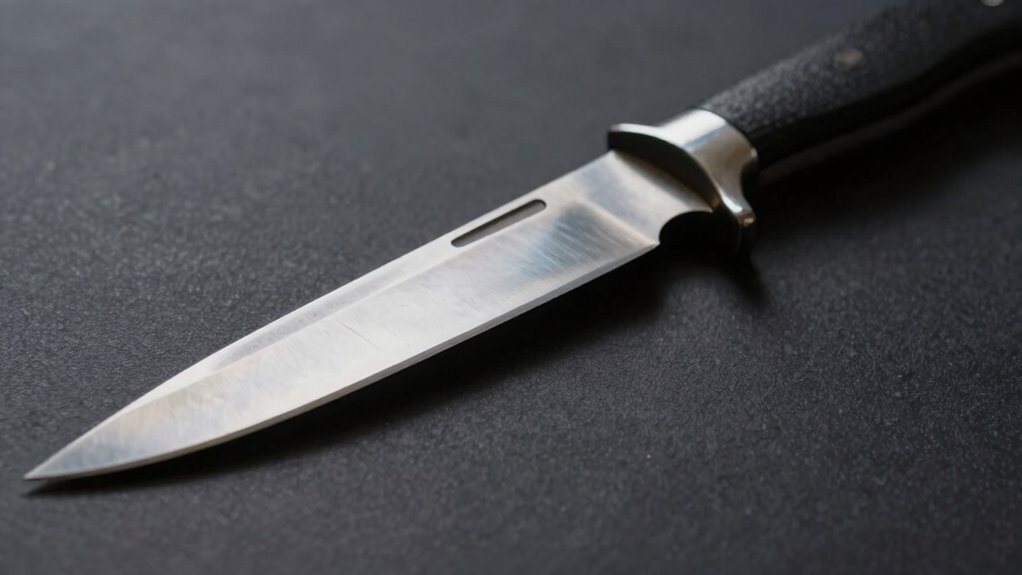
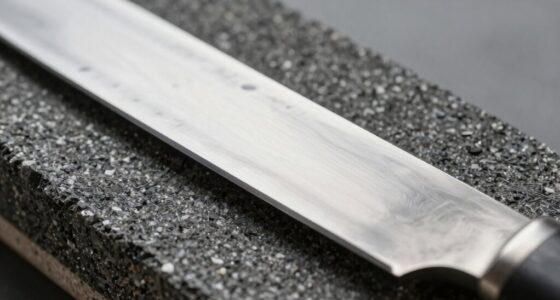
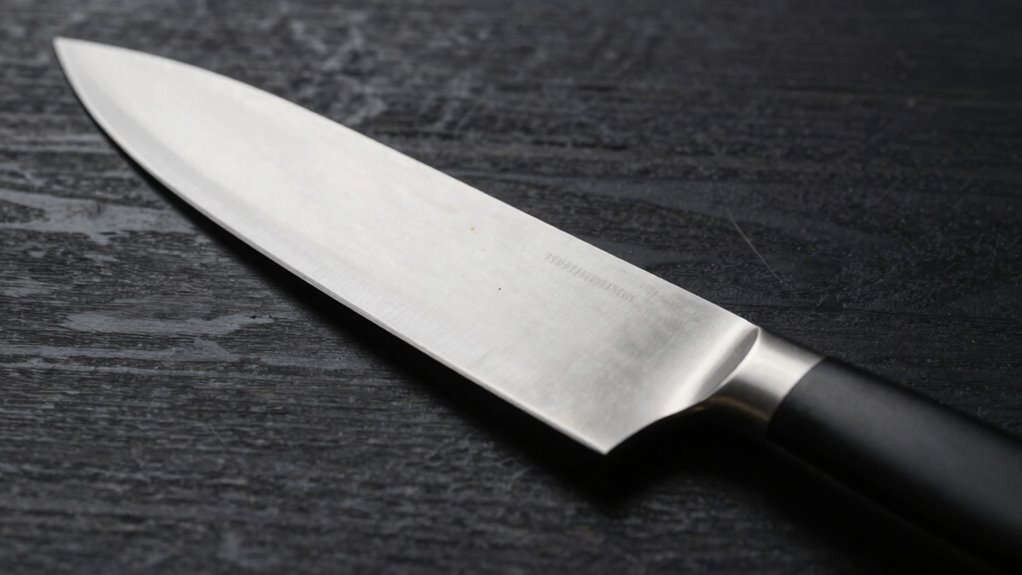
Have you ever picked up a knife that feels surprisingly fragile, only to discover it’s actually quite durable? Sometimes, the way a knife feels in your hand can be misleading. The sensation of fragility often comes down to two key factors: blade composition and handle design. Understanding these elements helps explain why some knives seem delicate, even though they’re built to last. Additionally, the perceived durability is also influenced by factors like balance and edge sharpening techniques, which shape your overall impression of the knife’s strength. Blade composition plays a major role in how sturdy a knife feels. Knives made from high-quality stainless steel, for example, tend to be more resilient and have a solid heft that communicates strength. On the other hand, blades crafted from lighter alloys or thinner steel sheets can feel flimsy and fragile, even if they’re just as durable beneath the surface. The thickness and type of steel influence not only how the knife performs but also how it perceives its own strength. A thin, delicate-looking blade might cut just as well as a thicker one, but it can give off a fragile vibe because of its appearance. This perception is heightened if the steel isn’t properly balanced or if the blade’s edge is sharpened in a way that emphasizes finesse over robustness. Proper blade balance can dramatically influence how a knife feels during use and how confident you feel handling it. Moreover, the manufacturing process can impact the overall strength and feel of the knife, affecting how durable it appears to the user.
Handle design also heavily influences how a knife feels during use and when simply holding it. If the handle is lightweight, poorly balanced, or made from materials that seem brittle—like cheap plastic or thin wood—it can contribute to a fragile impression. Conversely, a handle designed with ergonomic considerations, made from sturdy materials like full-tang metal or reinforced composite, provides a sense of durability and confidence. The grip’s shape and size matter, too; a handle that fits comfortably in your hand and feels solid can make the entire knife seem more robust. When the handle feels loose, wobbly, or overly light, it signals a lack of strength, even if the blade itself is tough. Recognizing these design cues and material qualities helps you choose knives that not only perform well but also feel reliable in your hand.
high-quality stainless steel chef knife
As an affiliate, we earn on qualifying purchases.
As an affiliate, we earn on qualifying purchases.
Frequently Asked Questions
Do Handle Materials Affect a Knife’s Perceived Fragility?
Handle materials do affect a knife’s perceived fragility. If the handle has an ergonomic grip and feels balanced with the handle weight, you’ll likely see it as sturdy and reliable. Lightweight handles might make the knife feel fragile, even if it’s durable. Conversely, heavier handles can give a sense of robustness. The right handle material and design boost confidence and reduce the perception of fragility, even if the knife is built to last.
Can Surface Finish Influence How Fragile a Knife Feels?
Surface finish can definitely influence how fragile a knife feels. A smooth surface, with its sleek, polished texture, often appears more durable and sturdy, boosting your confidence in handling it. Conversely, a rough or matte surface, with its uneven texture and dull visual appearance, might make the knife seem more fragile, even if its actual strength remains unchanged. Surface texture and visual appearance work together to shape your perception of a knife’s resilience.
How Does Blade Design Impact the Sense of Fragility?
Blade design impacts how fragile a knife feels through blade thickness and edge geometry. Thinner blades with fine edge geometry often feel more delicate because they’re less sturdy and more prone to bending or chipping. Conversely, thicker blades and robust edge geometry give you a sense of durability, making the knife feel less fragile. Pay attention to these design elements to gauge how sturdy or fragile a knife might seem during use.
Do Different Brands Have Varying Perceptions of Knife Durability?
You’ll notice that different brands do influence how durable a knife feels, often shaped by their reputation and consumer expectations. For example, a well-known brand like Wüsthof may seem more solid because of its trusted name, even if similar knives from lesser-known brands feel just as sturdy. Your perception hinges on brand reputation, but actual durability varies based on quality, manufacturing, and materials used.
Does Storage Method Affect a Knife’s Perceived Fragility?
Yes, storage method can influence how fragile your knife feels. If you store it loosely in a drawer, the blade weight and handle ergonomics can cause it to bump or knock against other utensils, making it seem more fragile. Using a proper knife block or a sheath helps protect the blade from damage. This careful storage maintains the knife’s balance, ensuring it feels sturdy and well-built when you use it.
As an affiliate, we earn on qualifying purchases.
Conclusion
So, next time you grip a seemingly delicate knife, remember it might just be a master of disguise, waiting to slice through your confidence and your salmon alike. Don’t judge a blade by its cover — or its fragile feeling. With a little respect, even the most delicate-looking knife can become your kitchen’s silent superhero. Or, at the very least, a shiny reminder that appearances can be deceiving, especially when wielded with reckless enthusiasm.
As an affiliate, we earn on qualifying purchases.
precision sharpened kitchen knife
As an affiliate, we earn on qualifying purchases.
As an affiliate, we earn on qualifying purchases.
Flea & tick season Picks
flea and tick prevention
As an affiliate, we earn on qualifying purchases.