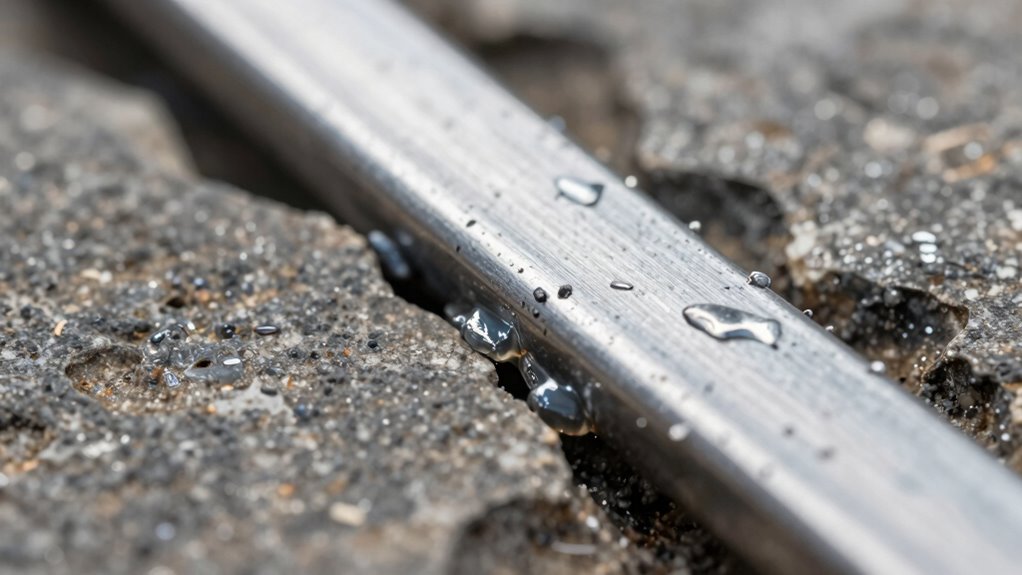

When steel feels gummy on stones, it’s often because of its grain structure and alloy composition. Coarse or uneven grains cause abrasive particles to slide rather than cut, creating a sticky feel. Alloy elements like carbides and inclusions can also interfere with sharpening, leading to a less smooth, gummy sensation. Understanding how steel’s internal makeup affects its response can help you sharpen more effectively—if you want to uncover the details, keep going.

Get kitchen gear delivered free — and shop member deals
- Fast, free delivery on millions of items
- Access to Prime Big Deal Days deals on October 6–7
- Prime Video, Amazon Music and more included
Key Takeaways
- Coarse or uneven grain structures in steel cause abrasive particles to slide rather than cut, creating a sticky or gummy feel.
- Alloy elements like carbides or inclusions disrupt smooth material removal, leading to a gummy sensation during sharpening.
- Improper heat treatment results in coarse grains, reducing the steel’s responsiveness and causing a gummy or sticky surface.
- Complex alloy compositions can form resistant phases that hinder abrasive action, contributing to a gummy feel on stones.
- Steel with refined, uniform grain structures allows for smoother abrasion, reducing gummy sensations during sharpening.
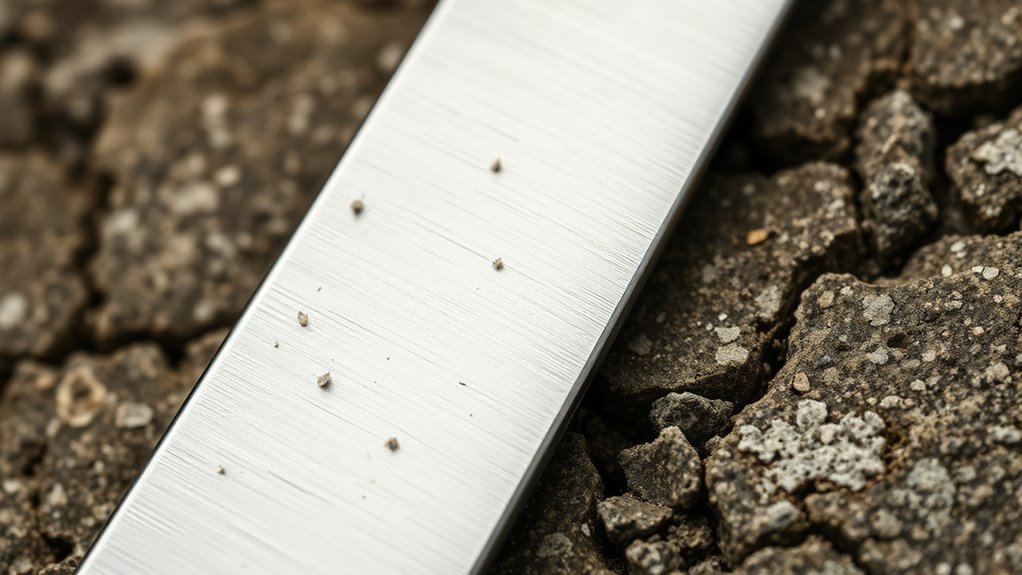
If you’ve ever sharpened a knife only to find it feels strangely ‘gummy’ on your stone, you’re not alone. That sensation often puzzles even experienced sharpeners, but understanding the science behind it can clarify why some steels behave this way. At the core, the grain structure of the steel plays a vital role. Grain structure refers to the size, shape, and arrangement of crystals within the metal. When the grains are coarse or unevenly distributed, the steel tends to develop a surface that’s less receptive to the abrasive action of your stone. Instead of slicing smoothly, the blade may drag or feel sticky, resulting in that gummy sensation. Finer, more uniform grain structures generally produce smoother sharpening experiences because they allow abrasive particles to cut more evenly and efficiently.
Equally influential is the alloy composition of the steel. Different alloys contain varying amounts of elements like carbon, chromium, vanadium, and molybdenum, which affect both hardness and toughness. High-carbon steels, for example, tend to develop a more uniform grain structure when properly heat-treated, making them feel less gummy on stones. Conversely, steels with certain alloying elements might form complex carbides or other phases that interfere with the sharpening process. These inclusions can cause the abrasive to catch or smear, creating that sticky, gummy feel. Additionally, the alloy composition influences how the steel responds to heat treatment, which in turn affects its grain structure. Proper heat treatment can refine the grain structure, reducing the tendency to feel gummy, but improper treatment leaves behind coarse or uneven grains that hinder smooth sharpening.
The interaction between the grain structure and alloy composition also determines how the steel wears down. Steel with a balanced alloy mix and a fine grain structure will shed material more predictably and cleanly, resulting in a more precise edge and a less gummy feel. On the other hand, steels with complex alloying or coarse grains tend to develop irregular wear patterns, causing the abrasive to slide rather than cut, which feels sticky or gummy. Understanding these factors helps explain why some steels feel different on stones—not because of skill, but because of their inherent metallurgical properties. If you pay attention to the alloy type and grain structure, you can select steels that sharpen more smoothly, making the process more efficient and less frustrating.
high carbon steel sharpening stone
As an affiliate, we earn on qualifying purchases.
As an affiliate, we earn on qualifying purchases.
Frequently Asked Questions
Does Steel Hardness Directly Affect Its Gummy Feel?
Yes, steel hardness directly impacts its gummy feel. Harder steels tend to have better abrasion resistance, reducing the tendency to feel gummy on stones. However, surface roughness also plays a role; smoother surfaces may feel less gummy, regardless of hardness. When selecting steel, consider both hardness and surface finish to minimize that gummy sensation and improve cutting performance on stones.
How Does Steel Composition Influence Its Interaction With Stones?
Steel’s composition acts like a recipe, shaping its microstructure effects, which directly influence how it interacts with stones. Steels with specific alloying elements develop a tougher, more uniform microstructure, reducing gummy feelings. Additionally, higher corrosion resistance minimizes surface irregularities that cause uneven contact. So, your steel’s alloy makeup determines its feel, making it smoother or more gummy, much like a well-mixed batter results in a better cake.
Can Heat Treatment Change a Steel’s Tendency to Feel Gummy?
Yes, heat treatment can change how a steel feels on stones by altering its surface hardness. When you heat treat steel, you can increase or decrease its hardness, which directly impacts its tendency to feel gummy. Higher surface hardness usually reduces the gummy feeling, making the steel less likely to cling or smudge on stones. Proper heat treatment guarantees you get the right balance between hardness and toughness for maximum performance.
What Role Does Alloying Elements Play in Steel’s Surface Texture?
Alloying elements markedly impact steel’s surface texture by influencing surface roughness and overall feel. For example, adding chromium or molybdenum can create a smoother, more polished surface, reducing roughness. Conversely, elements like sulfur or phosphorus may increase surface irregularities, making the steel feel rougher or “gummy” on stones. Your choice of alloying impact directly determines how the steel interacts with abrasive surfaces, affecting your sharpening experience.
Are There Specific Steel Brands Known for Less Gummy Feeling?
Imagine a smooth, polished stone gliding effortlessly across a sharp steel edge. Some brands, like Shapton or Naniwa, are known for a reputation of less gummy feeling because of their consistent quality and user experience feedback. You’ll notice these steels provide a cleaner, more predictable sharpening experience, making them preferred choices among enthusiasts. Their reputation reflects a focus on surface finish and alloy composition, reducing that gummy, sticky sensation.
As an affiliate, we earn on qualifying purchases.
Conclusion
So, next time you notice that strange, gummy sensation on your stone, remember it’s not just skill—it’s science at play. The steel’s unique structure, carbides, and heat treatment all influence this uncanny feel. But what if there’s more beneath the surface? Could tweaking these factors reveal a whole new level of sharpening precision? The mystery lingers, inviting you to explore further—because understanding this gummy feeling might just change how you sharpen forever.
professional knife sharpening stone
As an affiliate, we earn on qualifying purchases.
As an affiliate, we earn on qualifying purchases.
As an affiliate, we earn on qualifying purchases.
Fall Picks
fall essentials
As an affiliate, we earn on qualifying purchases.