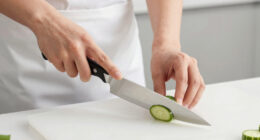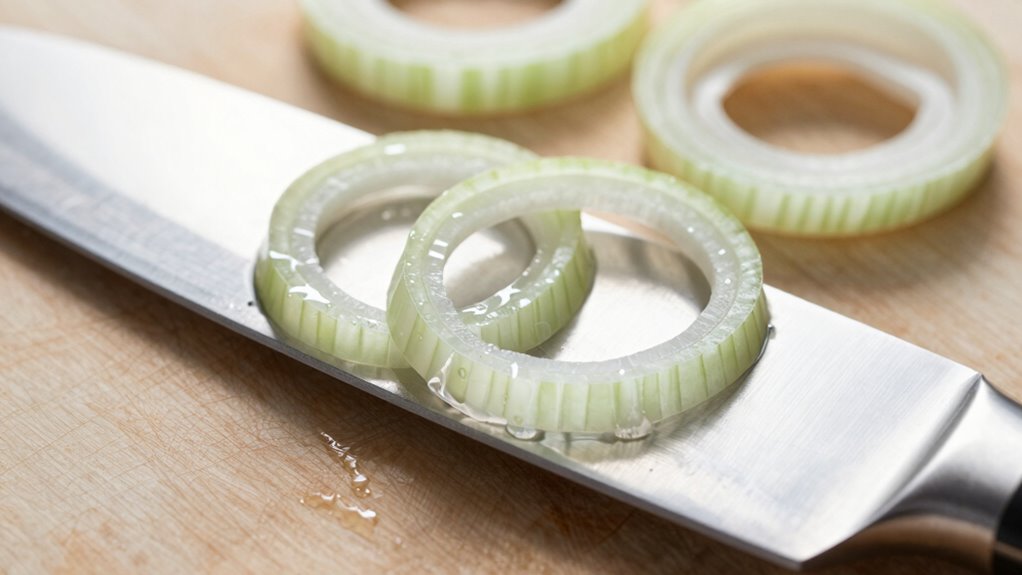

When slicing onions, moisture inside the cells causes slices to stick to your blade, especially if the onion or knife is damp. Using a dull knife or applying uneven pressure can increase resistance and sticking. Proper technique, like steady, gentle cuts with a sharp, well-maintained blade, helps reduce adhesion. Keeping your tools dry and storing onions properly also matters. For tips on preventing slices from sticking, learn more about effective handling and tools.
Key Takeaways
- Moisture from onions and a damp blade increase adhesion, so keep both dry by wiping with a towel before slicing.
- Using a sharp, well-maintained knife reduces resistance and tearing, minimizing slices sticking to the blade.
- Proper slicing technique with steady, gentle pressure prevents moisture buildup and reduces sticking.
- Storing onions in cool, dry conditions and handling them carefully decreases surface moisture that causes sticking.
- Applying non-stick coatings or using specialized blades like ceramic can further reduce the tendency of slices to stick.
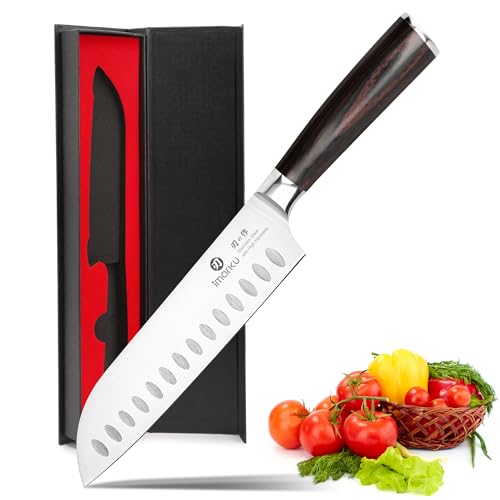
imarku Chef Knife 7 Inch Kitchen Knife Ultra Sharp Santoku Knife - High Carbon Japanese Chefs Knife, Kitchen Gadgets 2025, Apartment Essentials, Birthday Gifts for Him Her, Best Gifts for Women Men
Professional Santoku Knife: This imarku super sharp santoku knife is made of high carbon stainless steel that resists...
As an affiliate, we earn on qualifying purchases.
The Role of Onion Moisture and Its Effect on Sticking

Onions contain a high amount of moisture, which plays a significant role in how they stick to the blade. This moisture is stored within the onion’s cell structure, where water molecules are tightly packed. When you cut into an onion, the cell walls break, exposing the interior contents. As moisture begins to evaporate from the exposed cells, a thin layer of liquid forms on the surface of the onion and the blade. This layer creates a sticky environment that causes slices to cling to the knife. The more moisture that evaporates during cutting, the more likely your slices are to stick. Understanding this process helps you realize that controlling moisture evaporation can reduce sticking and make slicing smoother. Additionally, cutting techniques can influence how much moisture escapes, further affecting the tendency for slices to stick.

HOSHANHO Kitchen Knife in Japanese High Carbon Steel, Professional High-Class Chef's Knife 8 inch, Non-slip Ultra Sharp Cooking Knives with Ergonomic Handle
【High-End Japanese Steel Chef's Knife】 HOSHANHO chef's knife is made of Japanese high carbon steel 10Cr15CoMoV, 2x of...
As an affiliate, we earn on qualifying purchases.
How Knife Material and Sharpness Influence Onion Slices
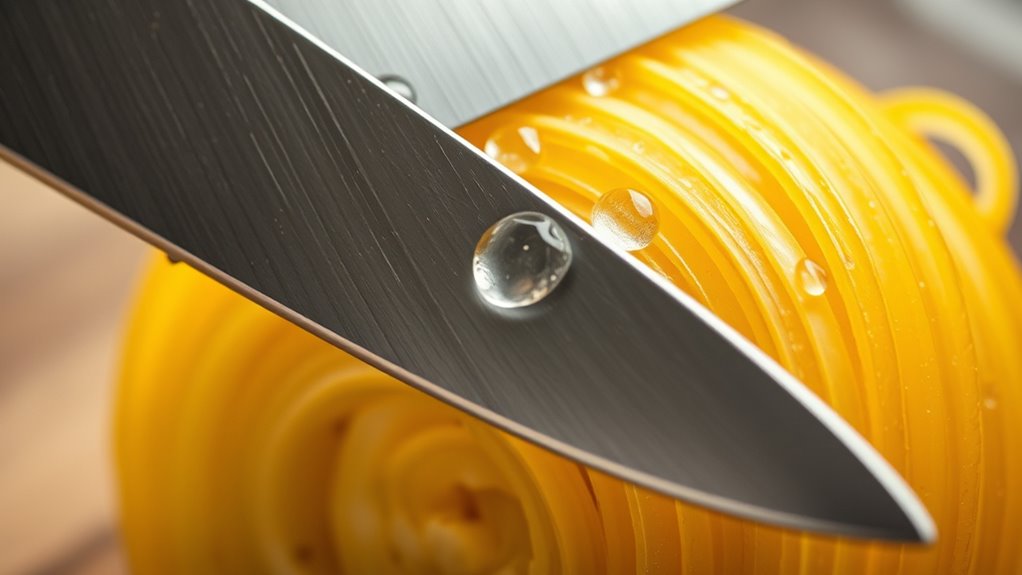
The material and sharpness of your knife considerably affect how onion slices turn out. Ceramic blades stay sharper longer and glide smoothly through onions, reducing sticking. Their smooth, hard surface minimizes friction, making slicing cleaner and easier. In contrast, serrated knives use their toothed edge to cut through skin and tissue efficiently, but they can tear or crush delicate onion layers if dull, increasing sticking. A sharp serrated knife slices cleanly, preventing the onion from sticking to the blade as much. Dull blades, whether ceramic or serrated, cause more resistance, leading to uneven slices and more sticking. Investing in a high-quality, sharp knife suited to your cutting style ensures cleaner cuts, less sticking, and a more enjoyable slicing experience.

Japanese Chef Knife, 8 Inch Damascus Kitchen Knife with VG10 Steel, Handcrafted Sharp Knife with Ergonomic Handle, Cooking Knives for Home Chefs, Cooking Gifts for Men and Women
【Premium Damascus Chef Knife with VG-10 Steel Core】Our Japanese knives feature a VG-10 steel core (60 HRC) for...
As an affiliate, we earn on qualifying purchases.
The Impact of Cutting Technique and Slicing Speed
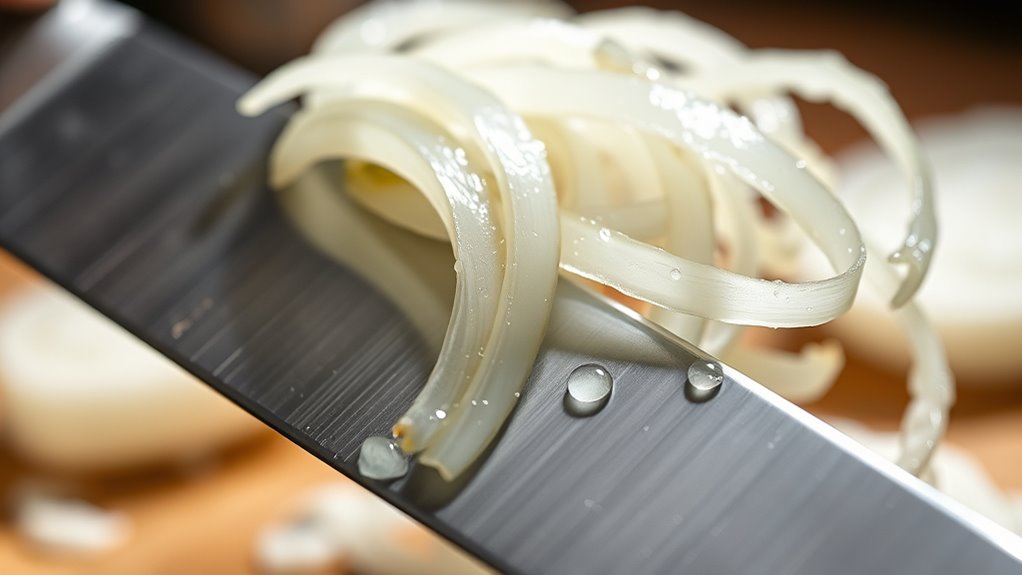
Your slicing speed can considerably affect how onions stick to the blade, with faster cuts often causing more resistance. Varying your cutting technique—such as using a smooth, consistent motion versus a choppy one—also changes how much the onion adheres. Paying attention to both speed and technique helps you achieve cleaner slices and reduces sticking. Additionally, maintaining a sharp knife minimizes damage to the onion’s cells, which can reduce sticking and make slicing smoother. To further improve your slicing experience, practicing proper cutting techniques and being mindful of your motion can help reduce resistance and sticking. Being mindful of cutting technique and practicing consistent motions can further improve your slicing experience and reduce the likelihood of the onion sticking. Incorporating the right knife handling skills can also make a significant difference in achieving cleaner cuts and preventing sticking. Moreover, ensuring your knife maintenance routine keeps your blade in optimal condition, which is crucial for smooth slicing and minimizing sticking.
Slicing Speed Effects
Slicing onions quickly can cause the slices to stick to the blade more often than when you cut slowly. Fast slicing increases friction between the onion and blade, making slices more likely to cling. Your slicing speed directly influences how smoothly you chop; a rapid chopping rhythm can lead to uneven cuts and more sticking. When you rush, the blade doesn’t glide as easily through the onion, causing resistance and buildup of residue. Slowing down lets you maintain a steady, controlled slicing speed, reducing sticking and improving slice quality. Focus on a consistent chopping rhythm to minimize friction and sticking. Additionally, using a sharp European cloud servers can improve your cutting efficiency by reducing the effort needed to slice through the onion. By adjusting your slicing speed, you gain better control, smoother cuts, and less onion residue on your blade.
Cutting Technique Variations
Adjusting your cutting technique can substantially influence how onions interact with the blade, especially when combined with slicing speed. For example, carefully removing the onion peel can reduce resistance and prevent sticking. Using a gentle, consistent slicing motion minimizes force that causes slices to adhere. Experimenting with alternative cutting tools, like a serrated knife or a mandoline, can also improve results by reducing friction and sticking. Changing your angle or grip may help release slices more smoothly. Slower, deliberate cuts often prevent slices from sticking to the blade, especially if the onion’s surface is uneven or moist. Small adjustments in technique, combined with proper onion peel removal and the right tools, make slicing cleaner and easier, reducing the chances of slices sticking to your blade.
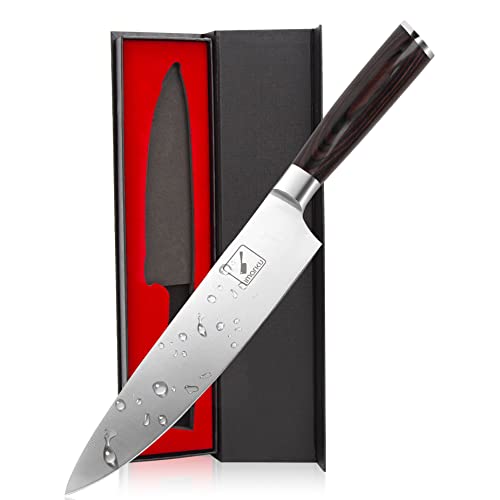
imarku Japanese Chef Knife - Sharp Kitchen Knife 8 Inch Chef's Knives HC Steel Paring Knife, Unique Gifts for Men and Women, Gifts for Mom or Dad, Kitchen Gadgets with Gift Box, Gyutou Knives
High-Carbon Stainless Steel Blade: It is manufactured from high-quality stainless steel that maintains its functionality for a long...
As an affiliate, we earn on qualifying purchases.
The Significance of Proper Knife Maintenance and Handling
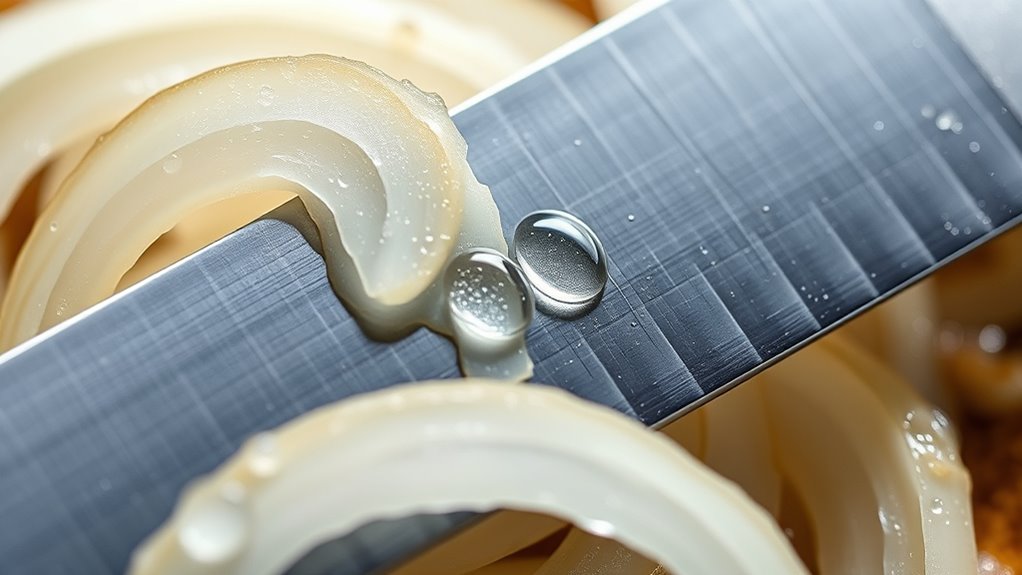
Proper knife maintenance and handling are essential for efficient slicing and safety in the kitchen. A dull knife causes sharpness issues, making slices uneven and increasing your effort. Regularly honing and sharpening your blade keeps it in prime condition, reducing stickiness and improving slicing accuracy. Proper handling also prevents accidents and maintains hygiene practices; a well-maintained knife is less likely to harbor bacteria or cause slips. Always wash and dry your knife thoroughly after use, and store it safely to avoid damage. When your knife is sharp and well-kept, onion slices glide smoothly, minimizing sticking. Neglecting maintenance leads to a dull edge that increases resistance and stickiness, making your cutting experience frustrating and unsafe. Prioritize proper maintenance to enhance performance and ensure safety.
Additional Tips to Minimize Slicing Stickiness
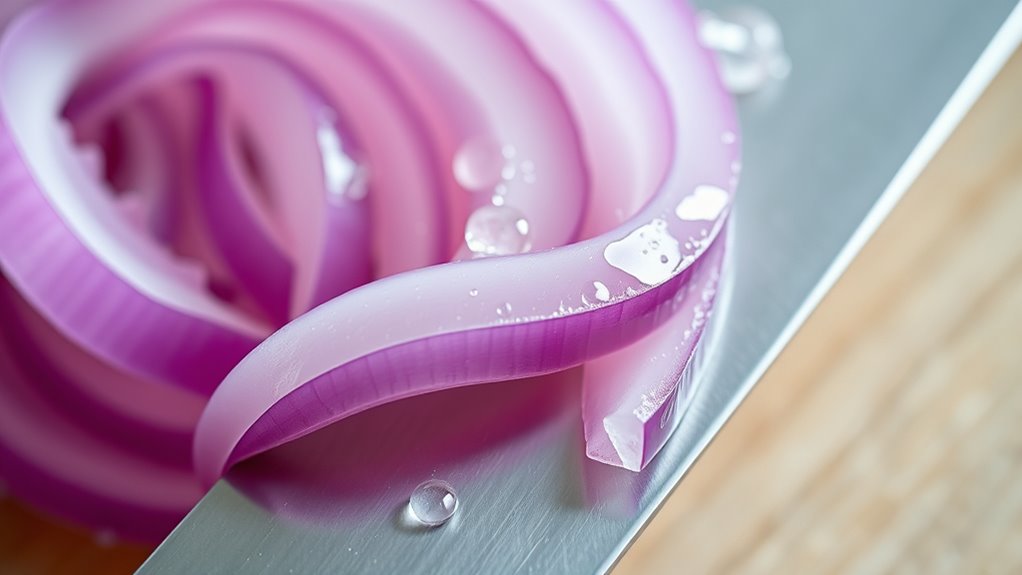
To reduce onion slices sticking to your blade, make sure you’re using proper knife techniques, like keeping a consistent slicing motion. It’s also essential to keep both the blade and onion dry, as moisture increases stickiness. Additionally, choosing the right cutting surface can influence how smoothly the onion slices separate from the blade. Using a sharp knife can also minimize tearing and sticking, leading to cleaner cuts and easier separation. Maintaining a clean and well-maintained knife helps prevent buildup that can cause slices to cling, ensuring smoother cuts and less frustration. Being aware of water chemistry and how moisture interacts with your tools can further improve slicing efficiency, making the process more comfortable and less sticky. For optimal results, understanding blade friction can help you select the best tools and techniques to reduce sticking and improve your overall slicing experience. By maintaining these habits, you’ll cut more smoothly and prevent slices from clinging.
Use Proper Knife Technique
Using the correct knife technique can substantially reduce onion slices from sticking to the blade. Hold your knife with a firm, controlled grip, ensuring your wrist remains relaxed. Use a rocking motion, keeping the tip of the knife on the cutting board while slicing through the onion. This technique minimizes unnecessary contact and helps maintain a smooth, clean cut, preserving onion flavor and reducing stickiness. Proper kitchen ergonomics also matter; position your cutting board at a comfortable height and keep your fingers curled away from the blade. By practicing precise, deliberate cuts, you reduce friction and prevent onion slices from clinging to the blade. Proper knife handling is essential for maintaining control and reducing stickiness during slicing. Mastering this technique not only improves efficiency but also enhances safety and ensures cleaner slices. Additionally, understanding cutting techniques can further optimize your slicing process and minimize sticking issues. Incorporating technique consistency into your practice can lead to more predictable and cleaner cuts over time.
Keep Blade and Onion Dry
Keeping your blade and onion dry is essential because moisture increases the likelihood of slices sticking. Before slicing, pat the onion peel dry to remove excess moisture, which can cause slices to cling to the blade. Also, make certain your blade has a proper coating; a well-maintained blade with a non-stick coating reduces friction and sticking. If the onion feels damp or slimy, wipe it with a clean towel to absorb moisture. Drying the onion and maintaining a dry blade create a barrier that minimizes sticking. Remember, even slight moisture on the onion peel or the blade coating can considerably impact slicing performance. Maintaining a sharp edge on your blade also helps slices glide smoothly and reduces frustration during your prep work. Additionally, using a non-stick coating on your knife can further prevent slices from sticking to the blade during cutting. Ensuring your blade properly maintained and free of debris is also crucial for optimal slicing performance. Moreover, regularly inspecting and cleaning your knife helps prevent residue buildup that could cause slices to stick. Incorporating proper knife storage habits can also help maintain blade integrity and reduce sticking issues.
Common Mistakes That Lead to Increased Onion Slice Adhesion
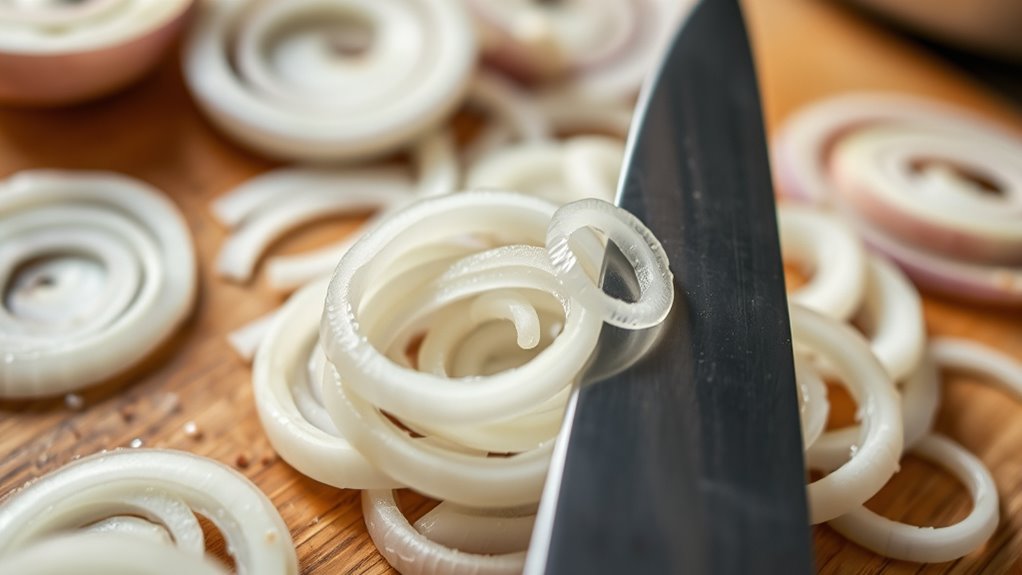
One common mistake that increases onion slice adhesion is applying uneven or excessive pressure when slicing. This often happens if you rush or use improper peeling methods, which can cause uneven surfaces that stick more to the blade. Additionally, poor onion storage—such as keeping onions in humid or warm environments—can make the layers stickier and more prone to adherence. When onions are soft or overly moist, slices tend to cling to the blade because of the increased moisture and cell damage. To prevent this, handle onions carefully during peeling, using dry, cool storage, and apply even, gentle pressure while slicing. Proper maintenance practices can also help keep your cutting tools in optimal condition, reducing the likelihood of slices sticking. Using the right cutting techniques ensures smoother slices and minimizes adhesion. These practices help reduce adhesion, making your cuts cleaner and easier. Furthermore, choosing the right knife blade and ensuring it’s sharp can significantly decrease the tendency of onion slices to stick, as dull blades tend to tear rather than slice cleanly. Regular blade sharpening can maintain optimal cutting performance and prevent sticking issues. Additionally, a well-maintained blade reduces the friction between the onion and the blade, further decreasing sticking.
Frequently Asked Questions
Does Onion Variety Affect How Much Slices Stick to the Blade?
Yes, onion variety affects how much slices stick to the blade. Some onions have higher moisture levels, making slices more prone to sticking. To reduce this, you should use a sharp knife and proper slicing technique, which minimizes moisture contact and tearing. Chilling onions beforehand also helps. Different varieties release varying amounts of moisture, so choosing drier onions or adjusting your approach can make slicing cleaner and easier.
Can Soaking Onions Before Slicing Reduce Sticking?
Soaking onions before slicing can help reduce sticking, but it’s not the most effective method. Proper onion preparation involves chilling the onion and using a sharp knife, which minimizes sticking. Maintaining your knife’s edge guarantees smooth cuts, preventing the onion’s moisture from causing adhesion. Regular knife maintenance, like honing and sharpening, keeps your blade in top condition, making slicing easier and reducing the chances of onion slices sticking to the blade.
Are There Specific Knife Coatings That Prevent Onion Slices From Sticking?
Yes, there are knife coatings that help prevent onion slices from sticking. Non-stick coatings, like those on some modern knives, create a smooth surface that reduces friction and sticking. Ceramic blades are also an excellent choice because their smooth, hard surface resists sticking and minimizes tearing. Using these types of knives can make slicing onions easier and cleaner, saving you time and frustration in the kitchen.
How Does Ambient Humidity Influence Onion Slice Adhesion?
When it comes to humidity effects, higher ambient humidity can make onion slices stick more because moisture levels in the air increase, causing the onion’s surface to become tackier. You might find that on humid days, your slices cling to the blade longer. To combat this, keep your workspace dry and work quickly. Managing moisture levels helps prevent onions from sticking, making your slicing smoother as the weather changes.
Do Different Cutting Board Materials Impact Onion Sticking to the Blade?
Different cutting board materials can influence how onions stick to your knife blade. Smooth, non-porous surfaces like plastic or glass tend to reduce adhesion because they allow the onion’s juices to slide off more easily. In contrast, wood boards with rougher surface properties may cause more sticking. Choosing a cutting board with a slick surface helps minimize onion residue on your knife, making slicing cleaner and easier.
Conclusion
If you master these tips, you’ll become unstoppable in the kitchen—your onion slices will glide effortlessly, and no sticky blade can stand in your way. Remember, every slice is a step toward culinary greatness, so keep your knife sharp, handle with care, and embrace the art of perfect slicing. With practice, you’ll conquer onions like a true kitchen hero, turning what once was a messy ordeal into a smooth, unstoppable dance.