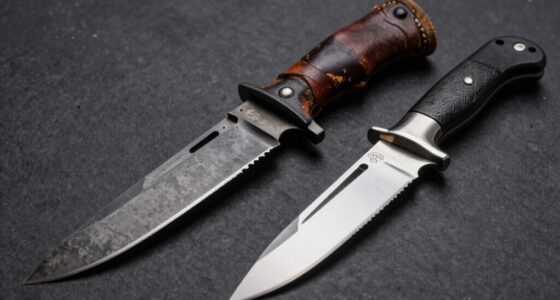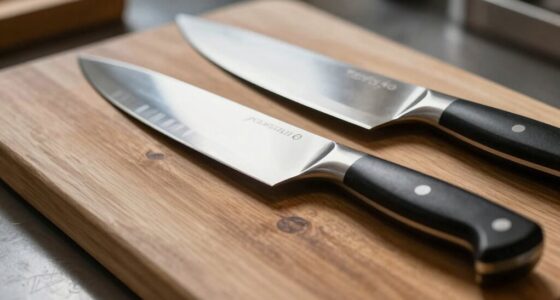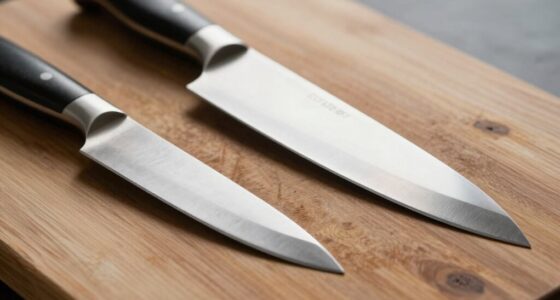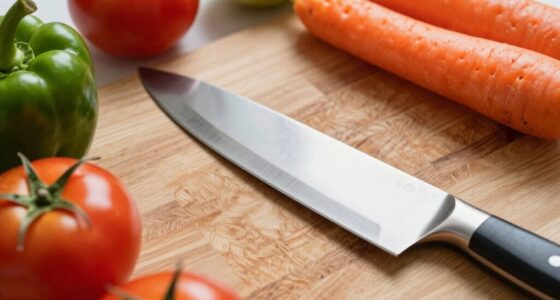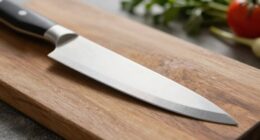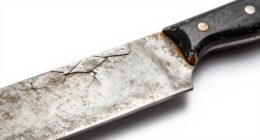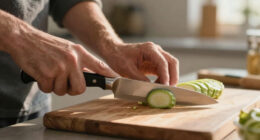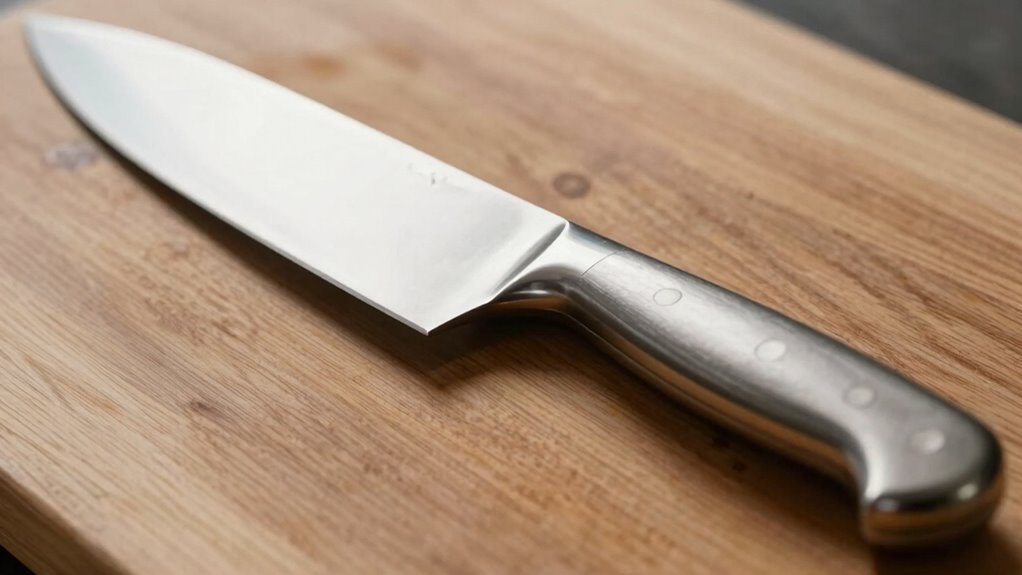
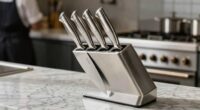
Understanding your chef knife’s anatomy helps you cut better and stay safer. The blade’s edge, tip, and heel define precision and power, while the spine impacts flexibility and control. The handle and bolster offer stability and comfort, influenced by material and design. The tang adds strength, making your knife durable. Grasping these parts lets you choose, handle, and maintain your knife with confidence. Keep exploring; you’ll uncover even more tips to refine your skills.
Key Takeaways
- Understanding the blade’s tip, heel, spine, and edge helps improve control, safety, and precision during cutting tasks.
- The tang’s design and handle ergonomics influence knife balance, comfort, and durability for extended use.
- Blade geometry, material, and sharpening angle determine cutting efficiency, edge retention, and maintenance needs.
- The bolster provides stability and safety, acting as a grip guide and control point during slicing.
- Recognizing each part’s function enables better selection, handling, and maintenance of your chef knife.
imarku Chef Knife 7 Inch Kitchen Knife Ultra Sharp Santoku Knife - High Carbon Japanese Chefs Knife, Kitchen Gadgets 2025, Apartment Essentials, Birthday Gifts for Him Her, Best Gifts for Women Men
Professional Santoku Knife: This imarku super sharp santoku knife is made of high carbon stainless steel that resists...
As an affiliate, we earn on qualifying purchases.
The Blade and Its Edge
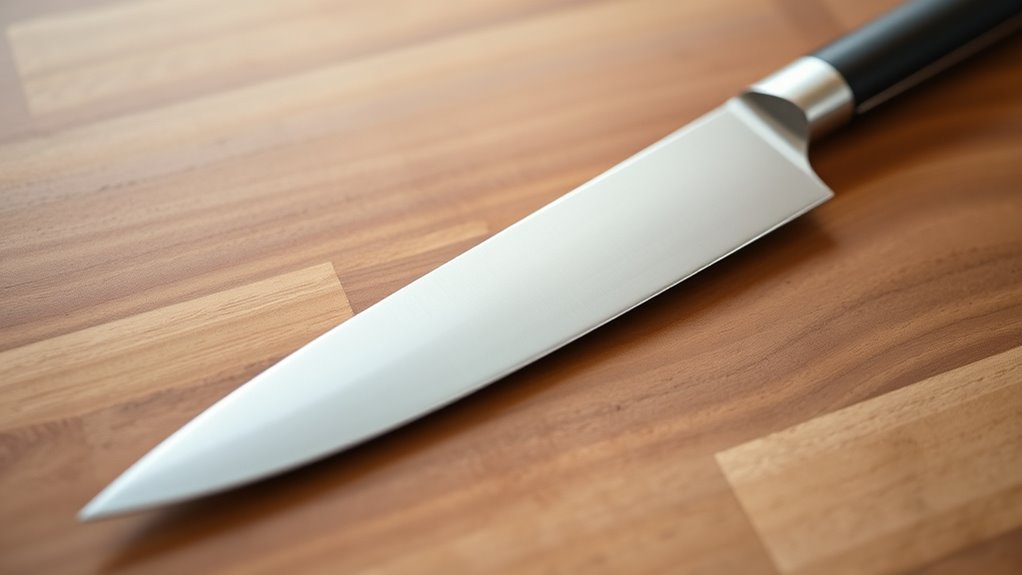
The blade is the heart of a chef’s knife, and understanding its design is crucial for effective cutting. Blade geometry determines how the knife interacts with food, influencing balance and precision. A thinner, more tapered blade excels at delicate tasks like slicing vegetables, while a broader blade provides strength for heavy-duty work. The blade material also plays a significant role in durability and edge retention. The edge sharpening process is essential for maintaining peak performance; a well-sharpened edge ensures clean cuts and reduces food damage. Different sharpening angles affect how the blade slices through ingredients, so choosing the right angle is key. Regular honing and periodic sharpening keep the edge in top condition, making your knife safer and more efficient. Additionally, understanding Blade geometry helps you select the right knife for various tasks, improving your overall cooking technique. Proper knife maintenance extends the lifespan of your blade and preserves its cutting ability over time. Mastering blade geometry and edge sharpening transforms your cooking experience. Proper maintenance of your knife ensures longevity and optimal performance, helping you achieve professional results in your kitchen.
imarku Japanese Chef Knife - Sharp Kitchen Knife 8 Inch Chef's Knives HC Steel Paring Knife, Unique Gifts for Men and Women, Gifts for Mom or Dad, Kitchen Gadgets with Gift Box, Gyutou Knives
High-Carbon Stainless Steel Blade: It is manufactured from high-quality stainless steel that maintains its functionality for a long...
As an affiliate, we earn on qualifying purchases.
The Spine and Its Role
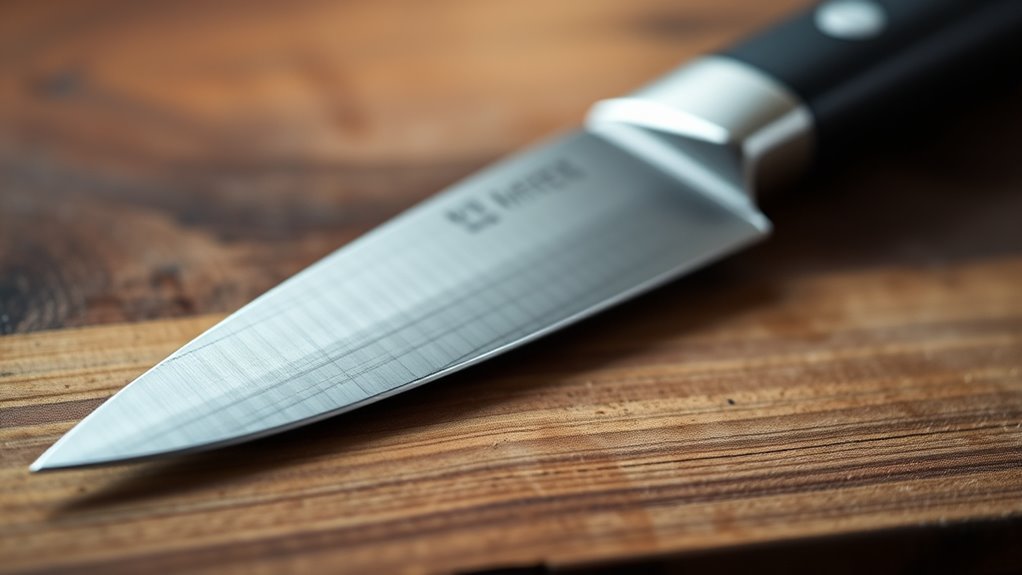
While a sharp edge makes cutting easier, the spine of a chef’s knife plays a pivotal role in the overall control and balance of the tool. The spine’s flexibility influences how much force you can apply without damaging the blade, impacting comfort during extended use. Plus, the spine affects the blade curvature, which determines how smoothly the knife slices through ingredients. A thicker spine offers durability and strength, ideal for heavy-duty tasks, while a thinner one provides more flexibility for delicate work. Additionally, blade geometry shaped by the spine design can optimize cutting performance based on your specific needs. Understanding knife anatomy helps users select the right tool for their cooking style and ensures better maintenance over time. Recognizing how the spine’s design impacts the knife’s overall performance can help you make more informed decisions when choosing your kitchen tools.

HOSHANHO Kitchen Knife in Japanese High Carbon Steel, Professional High-Class Chef's Knife 8 inch, Non-slip Ultra Sharp Cooking Knives with Ergonomic Handle
【High-End Japanese Steel Chef's Knife】 HOSHANHO chef's knife is made of Japanese high carbon steel 10Cr15CoMoV, 2x of...
As an affiliate, we earn on qualifying purchases.
The Tang: The Knife’s Foundation
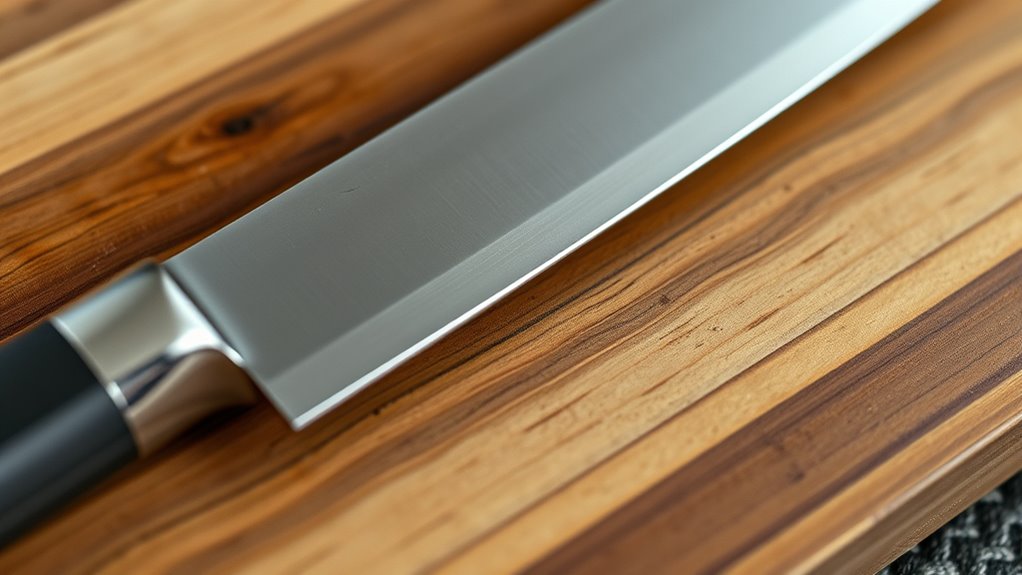
A strong, well-constructed tang forms the backbone of a chef’s knife, providing stability and balance during use. The tang’s design influences the overall blade geometry, affecting how the knife feels and performs. A full tang runs the entire length of the handle, ensuring strength and durability, while a partial tang offers less stability but may be lighter. The tang’s integration with the handle also impacts ergonomics — a well-fitted tang creates a comfortable grip, reducing fatigue during extended chopping. When choosing a knife, consider how the tang aligns with your cutting style and grip preference. A sturdy tang combined with thoughtful handle ergonomics makes for a reliable, balanced tool, giving you confidence in every cut. Additionally, the material quality of the tang can influence the knife’s longevity and resistance to corrosion. Properly designed tangs also contribute to the overall knife strength, ensuring the blade withstands rigorous use over time.

Japanese Chef Knife, 8 Inch Damascus Kitchen Knife with VG10 Steel, Handcrafted Sharp Knife with Ergonomic Handle, Cooking Knives for Home Chefs, Cooking Gifts for Men and Women
【Premium Damascus Chef Knife with VG-10 Steel Core】Our Japanese knives feature a VG-10 steel core (60 HRC) for...
As an affiliate, we earn on qualifying purchases.
The Handle and Its Design
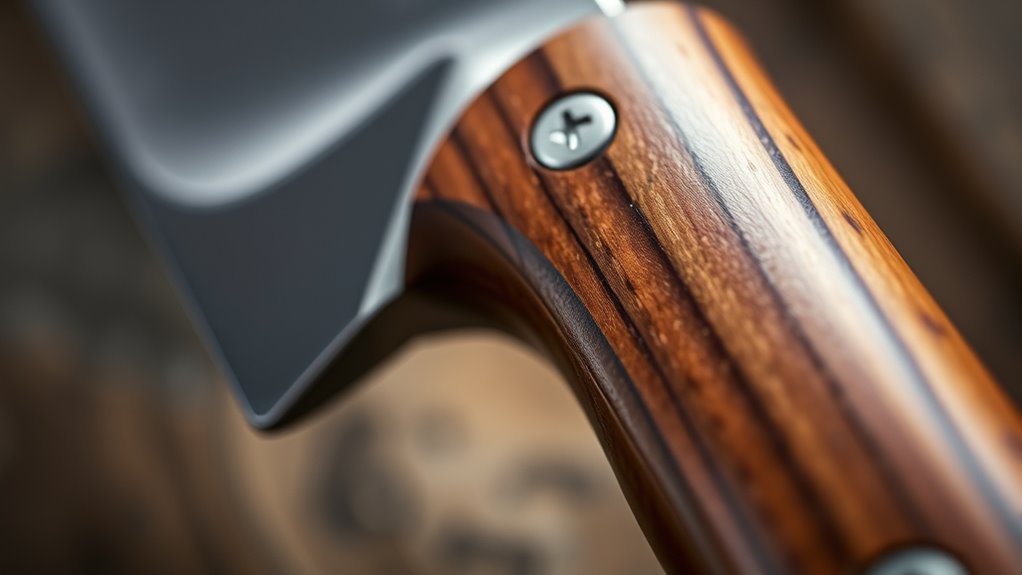
Your grip on the handle influences how comfortable and precise your cuts feel, so choosing the right material and shape matters. You’ll want a balance that feels natural in your hand and supports good ergonomics during extended use. Different handle shapes can improve control and comfort, depending on your cutting style and preferences. Additionally, considering handle materials can impact durability and grip, ensuring your knife remains reliable over time. Selecting a handle with non-slip grip features can also enhance safety and precision during use. Incorporating Free Floating design elements in handle construction can further improve balance and ease of maneuverability. Paying attention to ergonomic design can help reduce fatigue and improve overall handling during prolonged use. Moreover, choosing handles made from durable materials can extend the lifespan of your knife and maintain its performance through regular use.
Handle Materials and Grip
The handle of a chef knife plays a crucial role in ensuring a comfortable and secure grip during food prep. Choosing the right handle material and grip is essential for safety and efficiency. Materials like wood, plastic, and composite offer different benefits, from durability to aesthetics. An ergonomic design helps reduce fatigue, especially during long chopping sessions. Grip textures—such as ridges or stippling—improve control, preventing slips. Consider these factors when selecting your knife: Vetted handle materials are tested for their safety, durability, and comfort to ensure optimal performance. Additionally, selecting ergonomic handle designs can significantly enhance comfort and reduce hand strain during extended use, especially when incorporating smart kitchen tools that may add to the overall workload. Incorporating ergonomic features into handle design can further enhance user comfort and safety, particularly during prolonged use. Recognizing the importance of material properties can help you choose a handle that balances weight, grip, and longevity for your specific needs.
Balance and Ergonomics
Achieving proper balance and ergonomics in a chef knife’s handle is essential for comfortable and safe cutting. An ergonomic grip ensures your hand stays relaxed, reducing fatigue during extended use. The handle’s weight distribution plays a vital role in this, allowing the knife to feel natural and well-balanced in your hand. When the weight is evenly distributed, you gain better control and precision, making chopping and slicing easier. Look for a handle that feels comfortable to grip, with enough heft to prevent the knife from feeling too light or top-heavy. Good balance minimizes strain on your wrist and arm, helping you cut more efficiently and safely. Additionally, understanding knife handle materials can help you choose a handle that offers durability and a comfortable grip over time. Selecting ergonomic handle designs enhances comfort during prolonged use and can reduce the risk of repetitive strain injuries. Incorporating water-based cooling techniques in knife maintenance can also prolong the handle’s lifespan and performance. Proper weight distribution ensures that the knife feels balanced and minimizes fatigue, especially during extended cutting sessions. For example, choosing a handle with shock absorption features can further enhance comfort and reduce hand fatigue. Ultimately, a well-designed handle with proper weight distribution enhances your overall cutting experience.
Handle Shape Variations
Handle shapes vary widely to suit different cutting styles and preferences. Your choice impacts both ergonomics focus and aesthetic appeal, making the knife comfortable and visually appealing. Here are some common variations:
- Western-style handles: Typically full tang with a riveted design, offering a secure grip and balanced feel.
- Japanese-style handles: Often octagonal or D-shaped, emphasizing control and a sleek look.
- Ergonomic handles: Contoured to fit your hand better, reducing fatigue during prolonged use.
– Additionally, understanding handle materials can influence durability and grip comfort, enhancing your overall cutting experience.
Selecting the right handle shape guarantees comfort and efficiency, aligning with your cutting needs. Whether you prioritize a traditional aesthetic or ergonomic design, understanding handle variations helps you find the perfect match for your kitchen.
The Bolster: A Balance Point
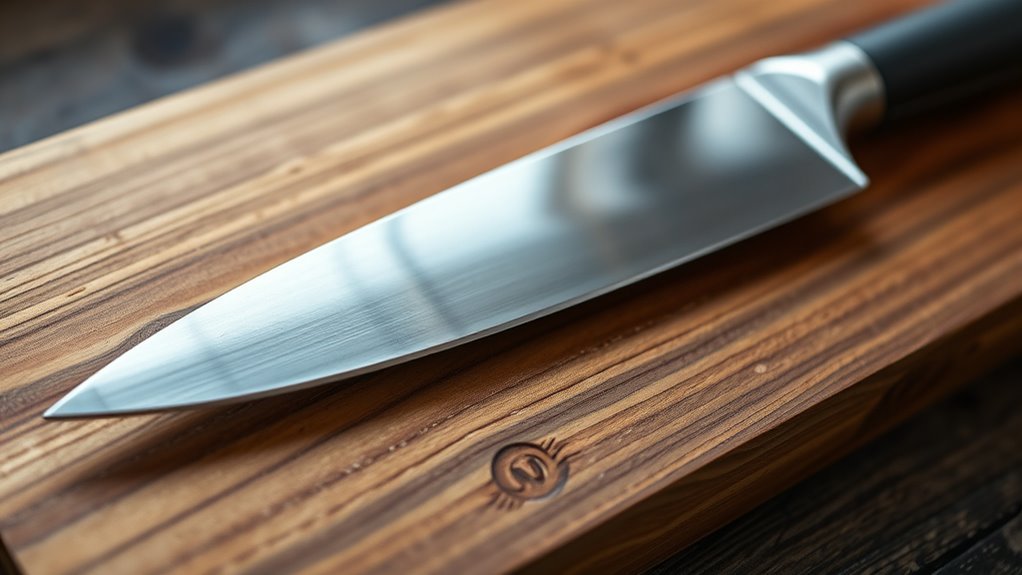
Since the bolster serves as a essential balance point on a chef’s knife, understanding its role can greatly improve your cutting control. The bolster’s primary function is to provide stability and support, ensuring better control during precise cuts. Its design also influences how comfortable and balanced the knife feels in your hand. A well-crafted bolster enhances safety by preventing your fingers from slipping onto the blade. Different bolster designs, such as full or partial, affect how the knife balances and feels. Here’s a quick comparison:
| Bolster Function | Bolster Design |
|---|---|
| Adds stability | Full bolster for safety |
| Improves balance | Partial bolster for agility |
Additionally, the knife balance point is affected by the bolster design, which can influence your overall comfort and efficiency during use.
The Tip of the Knife
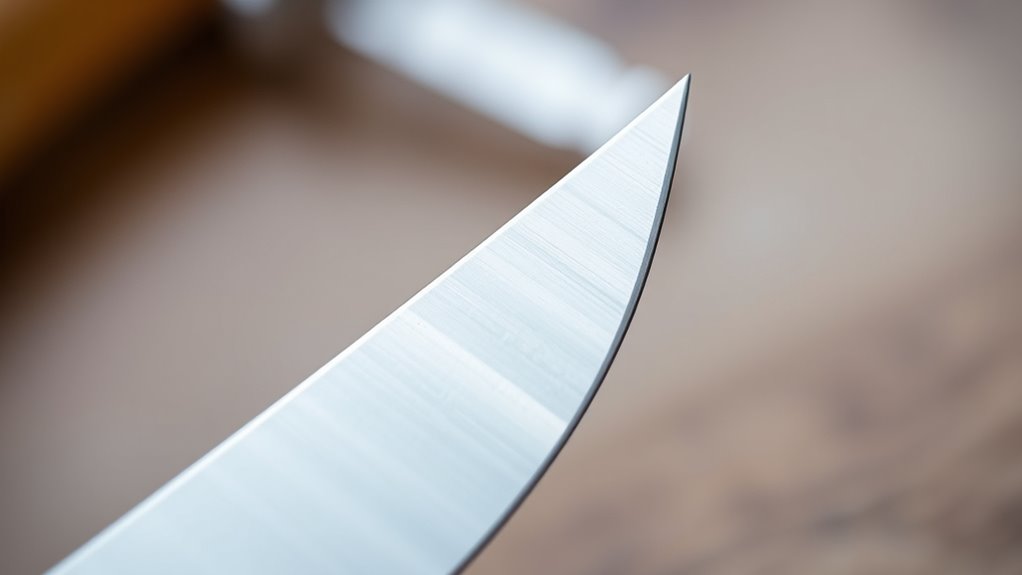
The tip of your knife plays a key role in precision and control, especially when working with delicate ingredients. Its sharpness and edge influence how smoothly it cuts, while different tip designs offer unique advantages for various tasks. Understanding these features helps you choose the right knife for your needs and improve your technique.
Sharpness and Edge
A sharp, well-maintained edge is essential for precise cuts, especially at the tip of your knife. When your blade stays sharp, you improve your cutting techniques and reduce effort. To keep your edge in top shape, focus on these maintenance tips:
- Regular honing along a steel realigns the edge, maintaining sharpness between sharpenings.
- Use proper cutting techniques, like rocking motions, to prevent unnecessary dulling.
- Schedule professional sharpening when your knife becomes dull, rather than relying solely on home methods.
A keen edge ensures cleaner cuts and safer handling, especially at the tip. Remember, a dull knife requires more force, increasing slip risk. Consistent maintenance not only extends your knife’s lifespan but also enhances your overall kitchen experience. Keep your edge sharp, and your cuts will be precise every time.
Tip Design Variations
Have you ever noticed how the shape of a knife’s tip affects its performance? The blade curvature plays a key role here. A pointed tip with a sharp, narrow end excels at detailed work like peeling or garnishing. Meanwhile, a rounded or blunt tip offers more control for pushing or scooping ingredients. Handle length also influences tip design; longer handles often accompany more pronounced curves, enhancing leverage and precision. Conversely, shorter handles may pair with straighter tips for quick, agile cuts. Different tip designs can make your tasks easier or more challenging, depending on what you need. Understanding these variations helps you select the right knife for specific jobs, ensuring better control, safety, and efficiency in your kitchen.
The Heel: Power and Control
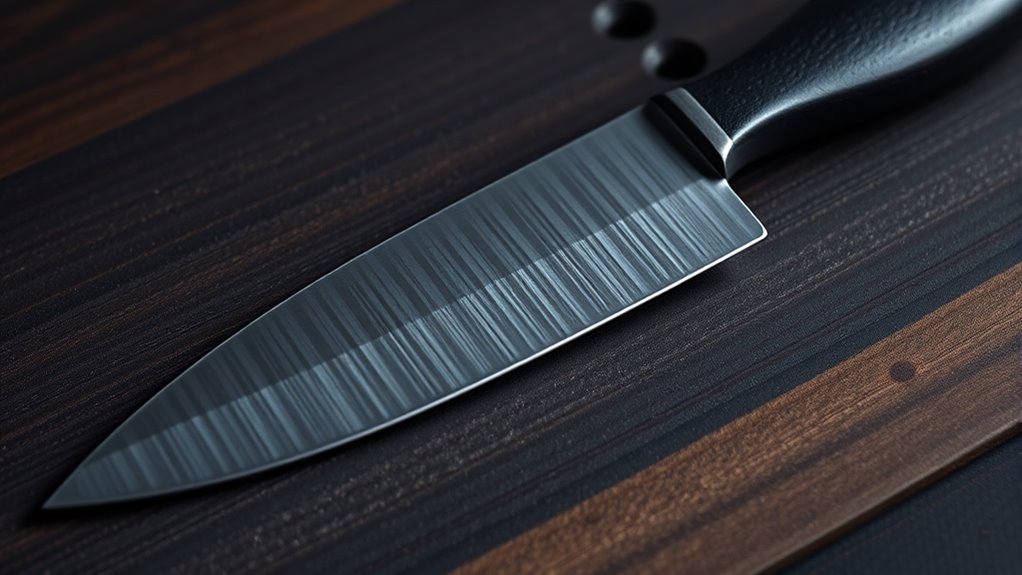
Your heel is the powerhouse of your knife grip, giving you the extra force needed for chopping through tough ingredients. It’s essential for control and power during your cutting techniques. By applying pressure with your heel, you can handle heavier cuts more efficiently. Here are some tips to maximize its use:
- Use the heel for heavier cuts, like bones or dense vegetables, to conserve energy.
- Keep your fingers safe by guiding ingredients away from the heel during slicing.
- Practice proper safety tips to avoid slips, especially when applying force with your heel.
Mastering the heel’s role helps you achieve cleaner cuts and improves safety, making your overall knife skills more effective.
Material and Construction Variations
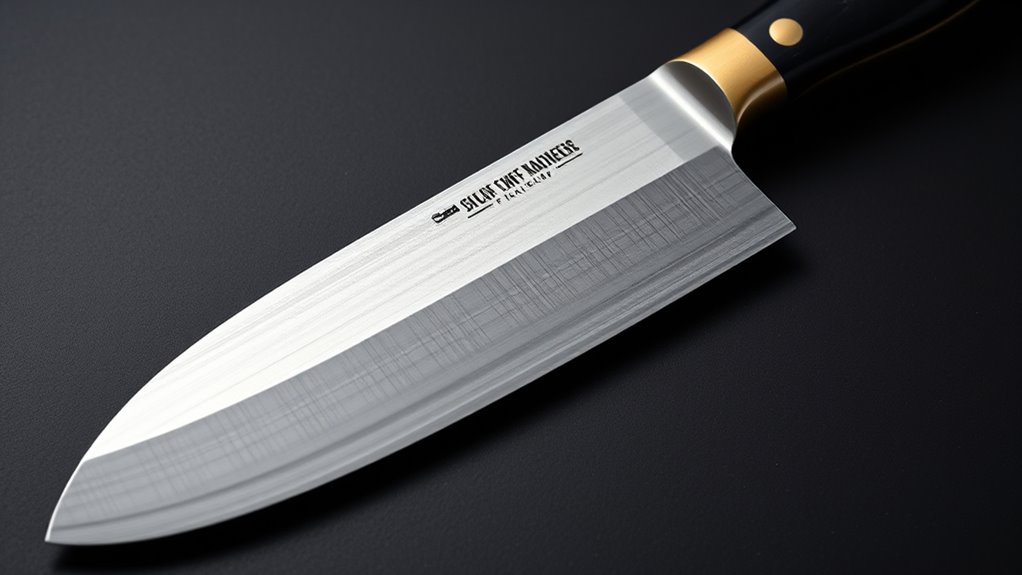
The materials and construction methods of chef knives greatly influence their performance, durability, and maintenance needs. When choosing between ceramic and steel blades, consider that ceramic knives are incredibly sharp and lightweight but can chip or break easily. Steel blades, on the other hand, are tougher, more flexible, and easier to sharpen, making them versatile for various tasks. Construction also matters: a full tang extends through the handle, offering better balance and durability, especially for heavy chopping. A partial tang is lighter and less expensive but may lack the strength needed for demanding use. Understanding these differences helps you select a knife that matches your cooking style, ensuring better control, longevity, and overall satisfaction.
Frequently Asked Questions
How Do I Choose the Right Knife for My Cooking Style?
Choosing the right knife can revolutionize your cooking—imagine slicing through ingredients like a hot knife through butter! Focus on your cutting techniques and the types of foods you prep most. Opt for a versatile chef’s knife if you do a bit of everything, and always store it properly to keep it sharp and safe. The perfect knife makes every chop easier, faster, and more enjoyable—so pick wisely!
What Maintenance Does a High-Quality Chef Knife Require?
To keep your high-quality chef knife in top shape, regularly hand wash it with mild soap and dry it thoroughly, avoiding dishwasher damage. Sharpen it with a honing steel or whetstone to maintain its edge. Store it properly in a knife block or on a magnetic strip to prevent dulling. Also, consider handle materials like wood or composite, which need specific care to prevent cracking or deterioration over time.
Are There Specific Knives for Different Types of Cuisine?
You might think all kitchen knife varieties work for every cuisine, but that’s just a myth. Cuisine-specific blades actually make prep easier, whether you’re slicing sashimi or chopping herbs. Different styles are designed for particular tasks, so investing in the right kitchen knife varieties can elevate your cooking game. Don’t overlook this detail—using the proper knife for each cuisine isn’t just a luxury, it’s a smart move.
How Often Should I Sharpen or Hone My Chef Knife?
You should sharpen your chef knife every 1-3 months, depending on usage, and hone it weekly to maintain its edge. Proper knife storage prevents dulling and helps preserve sharpness, while good cutting techniques reduce wear. Regular honing realigns the edge, keeping it sharp longer, but sharpening is needed when honing isn’t enough. Consistent care guarantees your knife stays effective and safe for all your culinary tasks.
What Safety Tips Should I Follow When Handling Knives?
Handling knives safely is like dancing with a partner—grace and awareness matter. Always cut on stable surfaces, use proper cutting techniques, and keep your knives sharp to prevent slips. Store knives securely in a knife block or on magnetic strips to avoid accidental cuts. Never try to catch a falling knife, and keep your fingers tucked away. Respect the blade, and it’ll serve you safely and effectively in the kitchen.
Conclusion
Now that you know the knife’s key components, you’re ready to master the mastery. From the blade’s brilliance to the handle’s comfort, understanding each element empowers your prep and precision. Immerse yourself in details, develop your skills, and delight in the delicious results. With this simple, solid understanding, you’ll slice, dice, and dice with confidence and care—creating culinary magic in your very own kitchen. Happy cooking, and may your knives always cut with clarity!