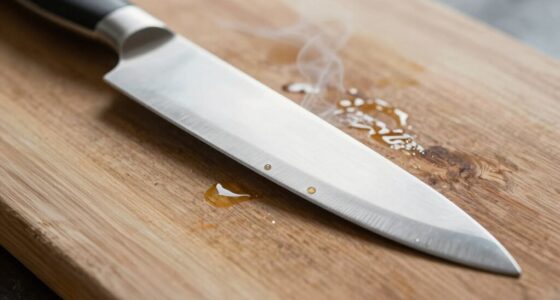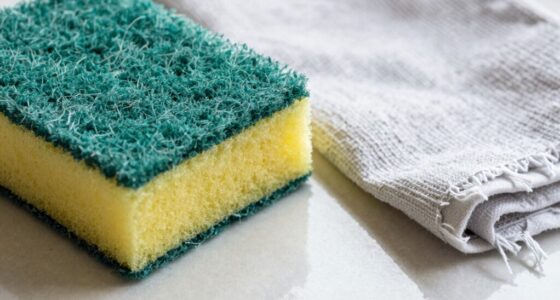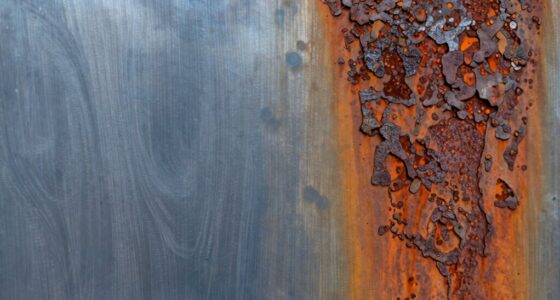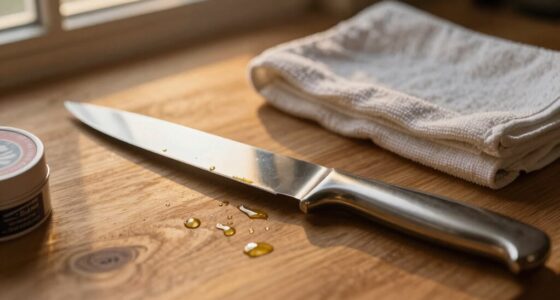
To remove rust spots without scratching your blade, start by applying a paste made of baking soda and water, gently scrubbing with a soft cloth or brush. Alternatively, soak a cloth in lemon juice or vinegar, then apply it to the rust, letting it sit briefly. For tougher spots, use non-abrasive metal polishes or rust converters. Always rinse thoroughly and dry completely. Keep your blade protected with proper storage and maintenance tips you’ll find if you continue exploring.
Key Takeaways
- Use a soft cloth or sponge soaked in lemon juice or vinegar to gently apply acid to rust spots.
- Apply non-abrasive polishing pastes like metal polish or cerium oxide with a soft cloth in circular motions.
- Create a paste with baking soda and water, then gently scrub rust areas with a soft brush or cloth.
- Rinse thoroughly and dry completely to prevent moisture and future rust formation.
- Store blades in a dry environment and consider applying a light oil or rust inhibitor for ongoing protection.
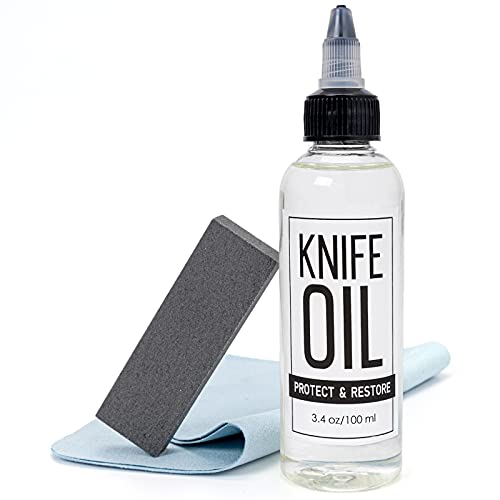
PuGez Knife Oil Rust Eraser Kit, Extra Large Rust Remover for Knives, Sword Maintenance Oil (3.4 oz) for Carbon Steel Blade, Cleaning, Protection And Lubricant Care Set
Professional Maintenance Oil: Specifically designed to maintain steel and carbon steel kitchen knives from rust and wear. Our…
As an affiliate, we earn on qualifying purchases.
As an affiliate, we earn on qualifying purchases.
Gentle Cleaning With Baking Soda and Water
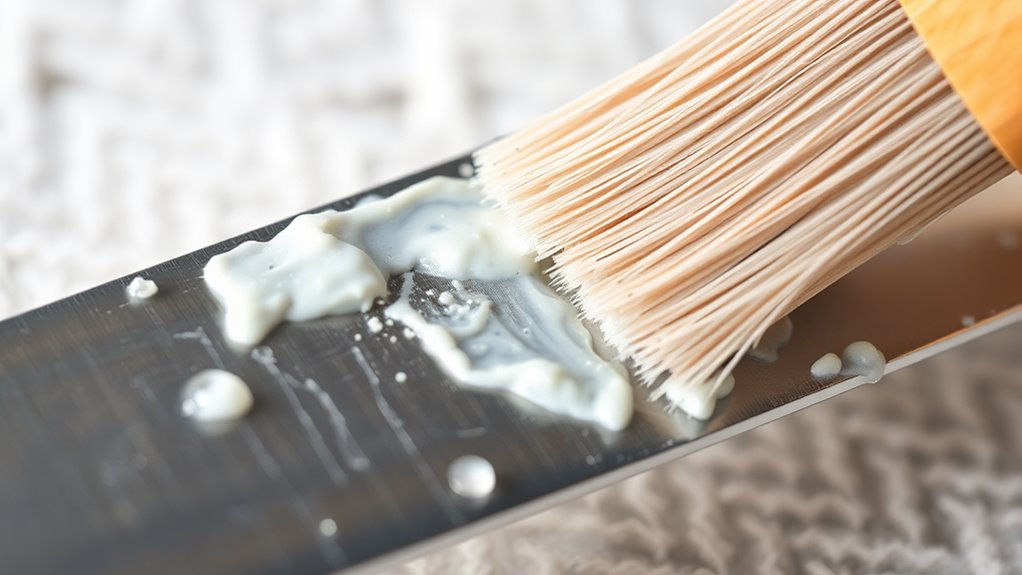
If you want a gentle yet effective way to remove rust spots, start by making a paste with baking soda and water. Apply this paste to the affected area, gently scrubbing with a soft cloth or brush. This method helps with blade preservation because it cleans without scratching the metal surface. Baking soda’s mild abrasiveness lifts rust without damaging the blade’s integrity, helping prevent further corrosion. Regular use of this simple technique can also contribute to rust prevention, keeping your blades in top condition longer. Remember to rinse thoroughly afterward and dry completely to avoid moisture buildup. Additionally, maintaining proper fuel-storage and ensuring your tools are stored in a dry environment can help prevent rust from forming in the first place. Using preventative maintenance techniques like proper cleaning and storage can significantly extend the lifespan of your blades. Incorporating proper cleaning techniques into your routine ensures your blades stay sharp and rust-free over time. For added protection, consider applying a rust inhibitor after cleaning to further shield the metal from moisture and corrosion. This approach offers a safe, inexpensive way to maintain your blades, ensuring they stay sharp and rust-free over time. Regularly inspecting your tools for early signs of rust can also help catch issues before they become severe, leveraging the importance of early detection in rust prevention.

Flitz Metal Polish Paste – 1.76oz USA-Made Polish for Solid Chrome, Stainless Steel, & Aluminum – Non-Abrasive for Light Oxidation – Requires Manual Buffing – Not for Plated/Coated Surfaces (1 Pack)
MADE IN USA – Wisconsin-crafted metal polish paste for SOLID chrome, stainless steel, aluminum, brass, copper, silver &…
As an affiliate, we earn on qualifying purchases.
As an affiliate, we earn on qualifying purchases.
Using Lemon Juice or Vinegar for Rust Removal
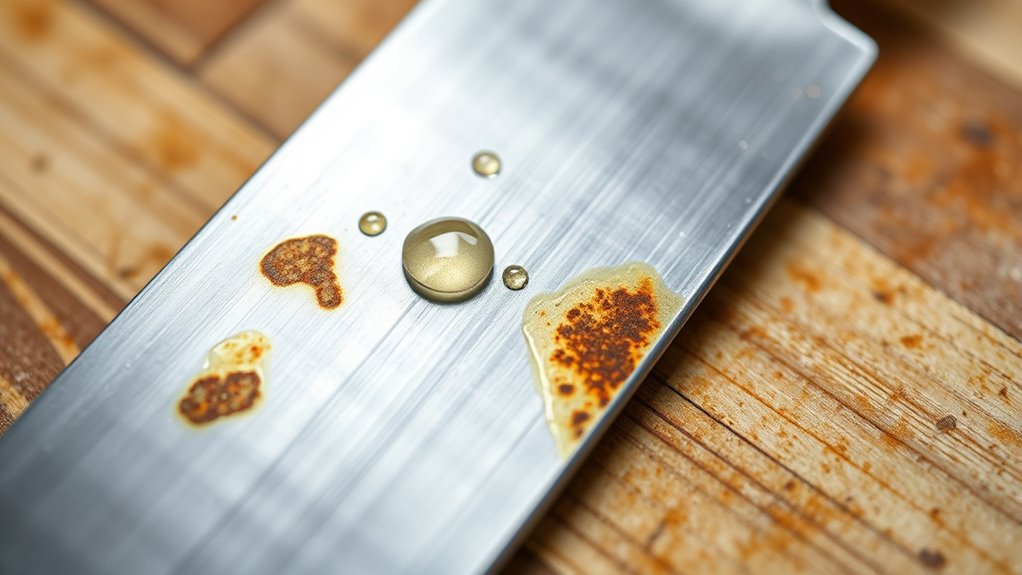
Have rust spots stubbornly refused to budge with gentle cleaning? Try using lemon juice or vinegar, which naturally contain acids that break down rust. Soak a cloth in lemon juice or vinegar and apply it directly to the rusted area. Let it sit for a few minutes to allow the acids to work. For tougher spots, you can use a rust converter product designed to neutralize rust and convert it into a stable compound. Follow up with corrosion inhibitors that protect the blade from future rusting. This method is effective without scratching the surface, especially when combined with gentle scraping or wiping. Always rinse thoroughly afterward and dry completely to prevent new rust from forming. Incorporating proper rust removal techniques can significantly extend the lifespan of your blades. Using natural acids aligns with sustainable maintenance principles that avoid harsh chemicals. Proper rust removal also involves monitoring air quality considerations, as humidity and moisture can accelerate rust formation. Being mindful of environmental factors can help prevent future rusting issues. This approach is simple, natural, and effective for mild to moderate rust spots. According to precious metal markets, proper rust removal can help maintain the integrity and value of your blades over time.
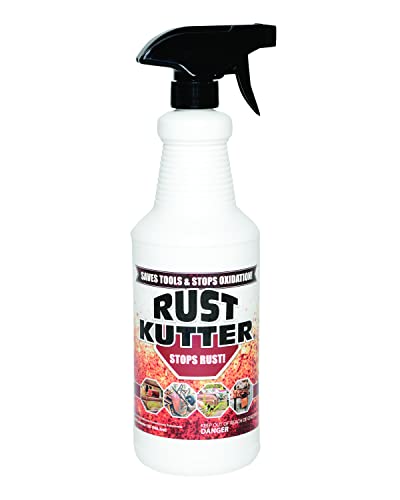
Rust Kutter – Stops Rust and Converts Rust Spots to Leave A Primed Surface Ready to Paint, Professional Rust Repair Manufactured in USA – Sprayer Included
A rust converter is a specialized product designed to convert rust into a more stable and non-reactive compound…
As an affiliate, we earn on qualifying purchases.
As an affiliate, we earn on qualifying purchases.
Applying Non-Abrasive Polishing Pastes
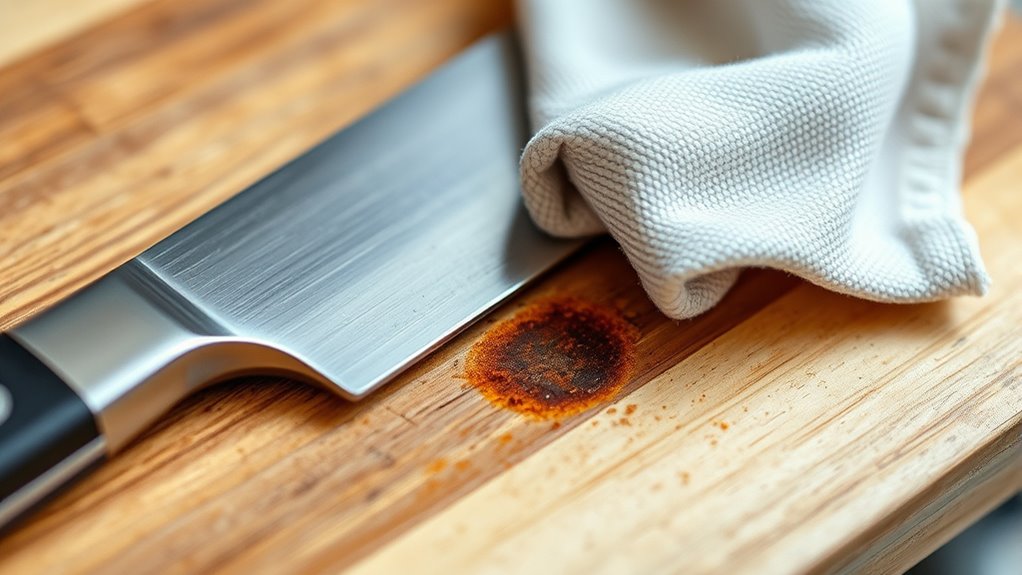
Applying non-abrasive polishing pastes can effectively remove rust spots without damaging the surrounding surface. These pastes work through gentle chemical rust conversion, transforming rust into stable compounds, and electrolytic reduction, reversing oxidation. To choose the right paste, consider these options:
| Paste Type | Benefits |
|---|---|
| Aluminum oxide-based | Safe for delicate surfaces |
| Cerium oxide-based | Effective for fine polishing |
| Non-abrasive metal polishes | Prevent scratching during application |
Using these pastes, you avoid scratching while restoring your blade’s shine. Carefully apply in circular motions, allowing the paste to penetrate rust spots. This method emphasizes preservation over abrasion, making it ideal for maintaining blade integrity while removing rust effectively.
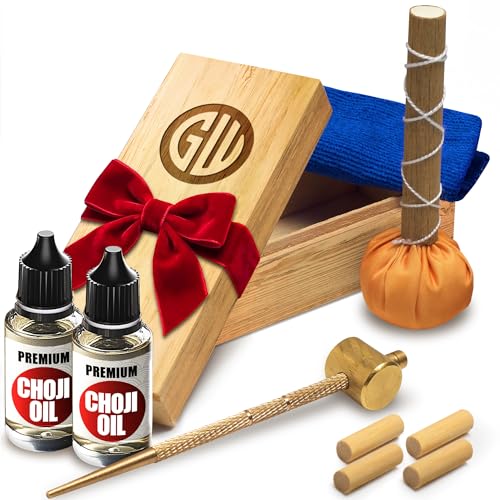
Sword Katana Knife Cleaning Kit – Maintenance Set with 2 Choji Oil – Large Microfiber – Japanese Wooden Stoarge Box – Uchiko Ball – Hammer – 4 Mekugi – Care for Samurai Katanas Swords – Storage Cases
All-in-One Traditional Care Kit. Includes 2 bottles of choji oil, uchiko ball, brass hammer, cleaning cloth, 4 bamboo…
As an affiliate, we earn on qualifying purchases.
As an affiliate, we earn on qualifying purchases.
Rinsing and Drying to Prevent Future Rust
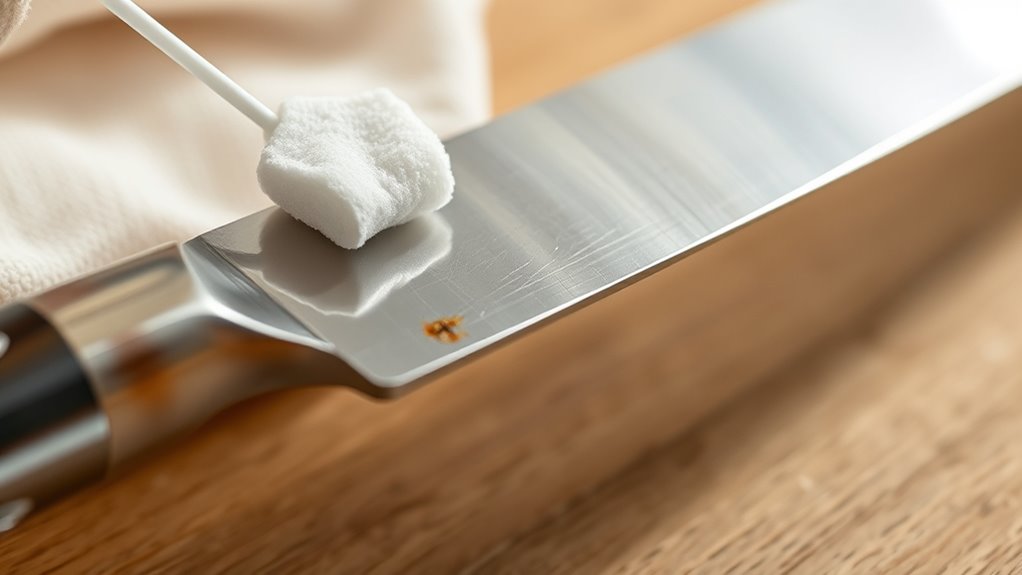
After using non-abrasive polishing pastes to remove rust, thoroughly rinsing the treated area helps wash away any leftover residues that could promote future corrosion. Proper rinsing guarantees no abrasive particles or cleaning agents remain that might accelerate rust formation. Once rinsed, dry your blade completely with a soft cloth to prevent moisture buildup. To keep rust at bay, focus on blade storage and rust prevention techniques: 1. Store your blade in a dry, moisture-free environment. 2. Use silica gel packs or rust inhibitors in your storage area. 3. Regularly inspect your blade and reapply protective coatings if needed. Additionally, choosing electric bikes with corrosion-resistant components or coatings can help prolong the lifespan of your blade. Incorporating rust-resistant materials into your tools and storage solutions can also significantly reduce the chances of future rust formation. Proper corrosion prevention techniques are essential for long-term blade preservation.
Protecting Your Blade With Proper Maintenance
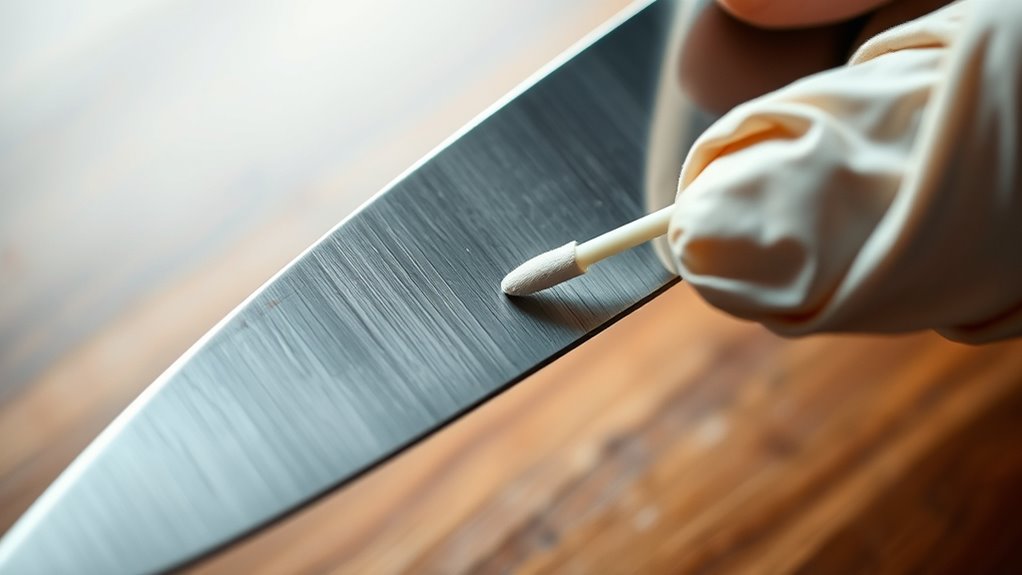
Proper maintenance is essential to keep your blade rust-free and in ideal condition. Regularly cleaning and drying your blade after use helps prevent moisture buildup, which is key to rust prevention. You can also consider smart storage solutions to further protect your blade from environmental factors that accelerate rust formation. Always handle your blade with care to ensure blade safety, avoiding accidental cuts or damage. Apply a light coat of oil or rust inhibitor to create a protective barrier against moisture, especially if you store your blade in humid environments. Sharpen your blade regularly to maintain its edge and reduce vulnerabilities where rust can form. Proper maintenance not only extends your blade’s lifespan but also keeps it performing safely and efficiently. Staying consistent with these practices ensures your blade remains in top shape, minimizing rust spots and promoting overall durability. Incorporating Free Floating techniques can also help distribute protective coatings evenly across the blade’s surface. Additionally, using appropriate storage methods helps protect your blade from environmental factors that accelerate rust formation. Implementing preventive measures such as proper blade handling and environmental controls can further enhance your efforts in rust prevention, ensuring your blade stays in excellent condition over time.
Frequently Asked Questions
Can Rust Spots Be Removed From All Types of Blades?
Yes, rust spots can be eliminated from all types of blades with proper blade maintenance. Use gentle methods like baking soda paste or vinegar to target rust without scratching the surface. Regular cleaning and rust prevention techniques, such as keeping blades dry and applying protective oil, help maintain their condition. Always choose suitable methods for your blade type to avoid damage and ensure longevity.
How Long Does It Typically Take to Remove Rust Without Scratching?
It usually takes about 10 to 30 minutes for rust removal without scratching, depending on rust severity. You’ll want to use gentle methods like vinegar or baking soda to preserve the blade’s integrity. Work carefully and patiently, applying light pressure to avoid scratches while effectively removing rust. Proper rust removal helps with blade preservation, ensuring your tool stays sharp and functional for longer.
Are There Any Specific Tools Recommended for Gentle Rust Removal?
You should use gentle abrasives like baking soda paste or fine steel wool, along with soft brushes, to remove rust without scratching. These tools help lift rust particles delicately while protecting the blade’s surface. Avoid harsh scrapers or coarse materials, as they can cause damage. Using soft cloths or toothbrushes with gentle pressure guarantees effective cleaning without risking scratches, keeping your blade in top condition.
Will Using Natural Remedies Affect the Blade’s Integrity?
Did you know that over 80% of eco-friendly methods preserve blade durability? Using natural remedies won’t harm your blade if you choose gentle options like baking soda, lemon juice, or vinegar. These eco-friendly methods effectively remove rust without scratching, maintaining your blade’s integrity. You can confidently use them regularly, knowing they’re safe for both your knife and the environment, ensuring long-lasting sharpness and performance.
How Often Should I Inspect My Blade for Early Rust Signs?
You should inspect your blade regularly, ideally after each use or at least once a week, to catch early signs of rust. Consistent blade maintenance and rust prevention help keep your blade in peak condition. Look for discoloration or spots and wipe it dry thoroughly after cleaning. Early detection allows you to address rust spots before they scratch or damage the blade, ensuring longevity and ideal performance.
Conclusion
Remember, a little care goes a long way. By gently cleaning your blade with baking soda, lemon juice, or polishing pastes, you prevent rust without scratches. Rinse thoroughly and keep it dry to avoid future spots. Proper maintenance guarantees your blade stays sharp and rust-free. As the saying goes, “A stitch in time saves nine.” Taking these simple steps now will save you time and trouble later, keeping your blade in top shape for years to come.