To prep a pineapple without leaving behind the tough ‘eyes,’ start by removing the crown and base, then stand it upright. Slice off the skin in strips, following the natural curve of the fruit, and cut downward. Next, locate the pattern of eyes and make shallow V-shaped cuts along diagonal lines to remove them efficiently. Use a small knife for stubborn spots. Want a perfect, eye-free pineapple? Keep exploring how to perfect your prep skills.
Key Takeaways
- Identify the pattern of the pineapple’s eyes before starting to cut.
- Make shallow diagonal cuts along the eye pattern to remove multiple eyes at once.
- Use a small paring knife to carefully cut out remaining eyes with minimal fruit loss.
- Follow the natural lines of the eyes for efficient and clean removal.
- Work systematically to ensure all eyes are removed, leaving a smooth, eye-free surface.

Ever wondered how to prepare a fresh pineapple quickly and easily? The key is knowing how to remove the “eyes” efficiently while preserving as much of the fruit as possible. Before you start, it helps to understand that there are various pineapple varieties, each with different textures and sweetness levels. For example, the sweet and juicy Queen pineapple is excellent for fresh eating, while the more fibrous Red Spanish works well for cooking. Recognizing these varieties can guide your prep and storage choices, ensuring you get the most flavor and longevity from your pineapple.
When you pick a pineapple, look for one that’s firm but gives slightly under gentle pressure—this indicates ripeness. A sweet aroma at the stem end is another good sign. Once you’ve selected your pineapple, it’s time to prepare it. Start by cutting off the crown and the base to create a stable surface. Stand the pineapple upright and carefully slice downward, removing the thick skin. As you do this, you’ll notice the pattern of the eyes—those small, rough indentations. To remove them efficiently, make diagonal cuts along the pattern, following the natural shape of the eyes. This technique minimizes waste and leaves fewer eyes behind.
After you’ve cleared the skin, you’ll see rows of eyes remaining. To remove these, cut shallow V-shaped grooves along the diagonal lines, following the pattern. This step helps eliminate most of the eyes without sacrificing too much fruit. If any eyes still linger, use a small paring knife to carefully dig them out. The goal is to get a clean, smooth pineapple surface with minimal waste, making it easier to cut into chunks or slices.
Proper storage tips are essential to keep your pineapple fresh longer. Once prepared, place any unused pineapple in an airtight container or wrap it tightly with plastic wrap. Store it in the refrigerator, where it can stay fresh for up to four days. If you have leftover pineapple with the skin on, keep it uncut until you’re ready to use it; overripe fruit stored for too long can develop mold or ferment. For longer storage, consider freezing pineapple chunks in a single layer on a baking sheet before transferring them to a sealed bag—this prevents clumping and preserves flavor.
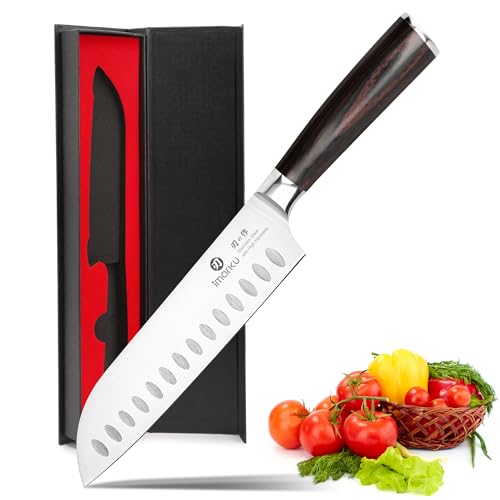
imarku Chef Knife 7 Inch Kitchen Knife Ultra Sharp Santoku Knife - High Carbon Japanese Chefs Knife, Kitchen Gadgets 2025, Apartment Essentials, Birthday Gifts for Him Her, Best Gifts for Women Men
Professional Santoku Knife: This imarku super sharp santoku knife is made of high carbon stainless steel that resists...
As an affiliate, we earn on qualifying purchases.
Frequently Asked Questions
Can I Use a Different Tool Instead of a Knife?
Yes, you can use alternative tools like a pineapple corer or a vegetable peeler instead of a knife. These tools help you safely remove the eyes and peel the pineapple efficiently. Always follow safety tips, such as securing the fruit firmly and cutting away from your body to avoid injuries. Using the right tool makes prepping pineapple easier and safer, especially if you’re uncomfortable with a knife.
How Do I Tell if a Pineapple Is Ripe?
You can tell if a pineapple is ripe by checking its ripeness indicators. Look for a sweet aroma at the base, a golden-yellow color, and slightly soft feel when you gently press. Fresh pineapples should have vibrant color and smell sweet, unlike canned pineapple, which is already processed. Avoid pineapples with soft spots or a fermented smell. Ripe pineapples are juicy and flavorful, perfect for eating or cooking.
Is It Necessary to Peel the Pineapple Before Prepping?
Think of peeling a pineapple like unwrapping a gift—you’ll want to do it carefully for the best texture. You don’t always have to peel before prepping, but removing the skin with effective peeling methods guarantees a smoother, better-tasting fruit. Peeling helps eliminate the tougher outer layer, revealing the juicy interior. Use a sharp knife and work around the fruit to preserve its sweet and tender texture, making your pineapple prep effortless and delicious.
How Long Does Prepped Pineapple Stay Fresh?
Prepped pineapple stays fresh for about 3 to 5 days if stored properly. Use airtight containers or resealable bags to keep it fresh longer, and store it in the refrigerator. To preserve its flavor, avoid leaving it out at room temperature for extended periods. For the best taste, consume it within this timeframe and always check for signs of spoilage, such as a sour smell or slimy texture.
Can I Use Canned Pineapple Instead?
Sure, you can totally use canned pineapple instead of fresh. Ironically, canned alternatives are often more convenient, yet many argue they lack the vibrant flavor of fresh versus canned. If you’re short on time or craving consistency, go ahead—canned works just fine. Just remember, while canned pineapple saves prep work, it might be a bit sweeter or softer, so adjust your recipes accordingly.

HOSHANHO Kitchen Knife in Japanese High Carbon Steel, Professional High-Class Chef's Knife 8 inch, Non-slip Ultra Sharp Cooking Knives with Ergonomic Handle
【High-End Japanese Steel Chef's Knife】 HOSHANHO chef's knife is made of Japanese high carbon steel 10Cr15CoMoV, 2x of...
As an affiliate, we earn on qualifying purchases.
Conclusion
Now that you know how to prep a pineapple without leaving those pesky eyes behind, you’re all set to enjoy this tropical treat. Remember, a little prep goes a long way in making your fruit look and taste its best. As the saying goes, “A stitch in time saves nine.” So, take your time, follow these steps, and savor the juicy, sweet pineapple you’ve prepared—because good things come to those who wait and work carefully.
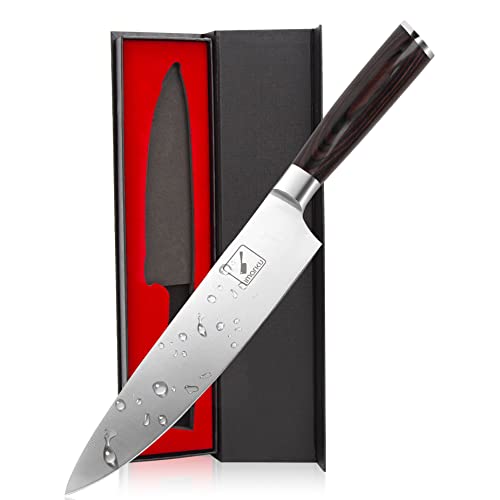
imarku Japanese Chef Knife - Sharp Kitchen Knife 8 Inch Chef's Knives HC Steel Paring Knife, Unique Gifts for Men and Women, Gifts for Mom or Dad, Kitchen Gadgets with Gift Box, Gyutou Knives
High-Carbon Stainless Steel Blade: It is manufactured from high-quality stainless steel that maintains its functionality for a long...
As an affiliate, we earn on qualifying purchases.

Japanese Chef Knife, 8 Inch Damascus Kitchen Knife with VG10 Steel, Handcrafted Sharp Knife with Ergonomic Handle, Cooking Knives for Home Chefs, Cooking Gifts for Men and Women
【Premium Damascus Chef Knife with VG-10 Steel Core】Our Japanese knives feature a VG-10 steel core (60 HRC) for...
As an affiliate, we earn on qualifying purchases.