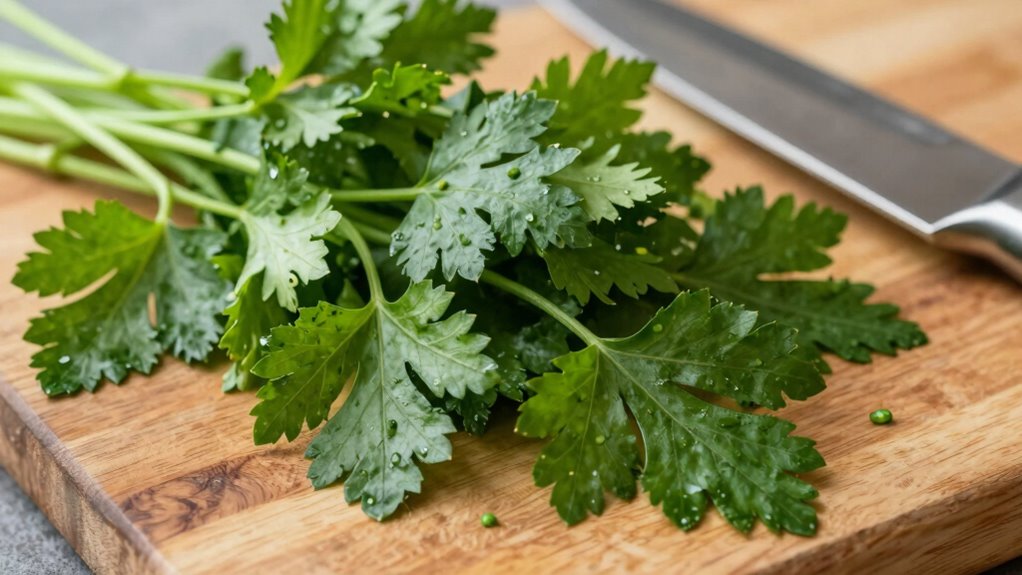

To prep parsley for chimichurri-style chops, start by selecting fresh, vibrant, green herbs with no yellowing or wilting. Rinse the parsley gently under cold water, then dry thoroughly with a paper towel to prevent sogginess. Remove thick stems if desired, and gather the leaves into a tight bundle. Use a sharp knife to finely chop the parsley, ensuring even texture without turning it into a paste. Keep these tips in mind to achieve perfect flavor and consistency—more details follow.
Key Takeaways
- Rinse parsley gently under cold water to remove dirt and debris.
- Pat dry thoroughly with paper towels or a clean cloth to avoid sogginess.
- Remove thick, woody stems to prevent bitterness and ensure a smoother texture.
- Stack leaves, roll into a tight bundle, and chop finely with a sharp chef’s knife.
- Use a rocking motion to chop for even, fine pieces without turning herbs into a paste.
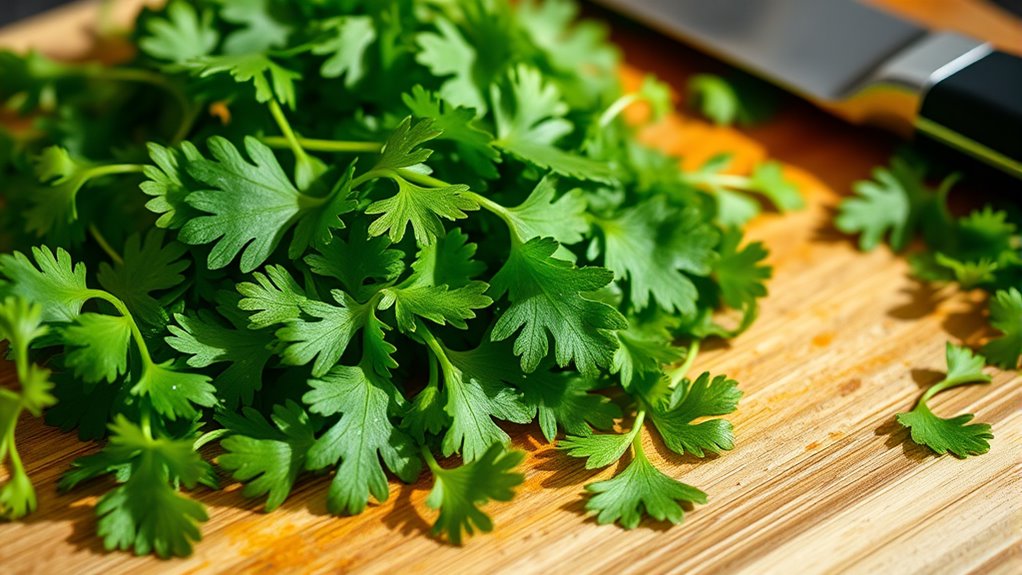
To make the perfect chimichurri chops, you need fresh, vibrant parsley. The way you handle and prepare your herbs can make all the difference in the flavor and texture of your dish. Start by selecting bright green, firm parsley with no yellowing or wilting leaves. When it comes to herb storage, it’s best to keep parsley fresh until you’re ready to use it. Wrap the bunch loosely in a damp paper towel and place it inside a plastic bag or airtight container in the refrigerator. This method helps retain moisture and prolongs freshness, ensuring your parsley stays lively and flavorful for your sauce.
Before chopping, give the parsley a gentle rinse under cold water to wash off any dirt or debris. Pat it dry thoroughly with paper towels or a clean kitchen towel. Excess moisture can cause the herbs to become soggy or slimy when chopped, so proper drying is essential. Once dry, remove the leaves from the thick stems, as these tend to be woody and can add a bitter note to your chimichurri. You can save the stems for making stock or discard them if you prefer a smoother sauce.
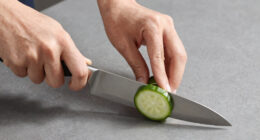
Chopping techniques play a crucial role in achieving the right texture for your chimichurri. Start by stacking several parsley leaves on top of each other. Roll them tightly into a compact bundle, which makes it easier to chop uniformly. Using a sharp chef’s knife, chop the parsley finely but not to a paste—aim for small, consistent pieces that will distribute evenly throughout your sauce. Use a rocking motion with the knife, keeping the tip in contact with the cutting board and moving it back and forth through the herbs. This technique ensures precision and control, helping you avoid bruising or mashing the leaves.
For an even finer texture, you can gather the chopped parsley into a pile and give it a few more light chops. Be careful not to overdo it, as too fine a chop can turn your chimichurri into a mushy mess. The goal is bright, fresh herbs with a slightly coarse texture that clings well to the meat. Remember, the quality of your chopping directly impacts the overall flavor profile. Proper herb storage guarantees your parsley stays fresh, while careful chopping techniques preserve its vibrant color and aroma. Using the right projector technology can help you visualize your culinary creations more vividly, similar to how precise herb preparation enhances flavor. When you master these steps, your chimichurri chops will burst with flavor, showcasing the bright, herbal notes that make this dish so irresistible.

SYOKAMI Cleaver Chef Knife with Herb Stripper, 7" Asian Kitchen Knife 3-in-1 Combined with Chef's Knife, Santoku, Nakiri for Slicing, Chopping, Dicing, Mincing, Housewarming Birthday Cooking Gifts
The SYOKAMI Asian knife is a highly versatile knife that will instantly be your new go-to for conquering…
As an affiliate, we earn on qualifying purchases.
As an affiliate, we earn on qualifying purchases.
Frequently Asked Questions
Can I Use Dried Parsley Instead of Fresh?
You can use dried parsley instead of fresh, but keep in mind the flavor differences. Dried parsley offers a more concentrated taste, so use about one-third the amount called for in fresh. For dry parsley alternatives, consider basil or cilantro for a similar herbaceous note. However, dried parsley won’t provide the same vibrant freshness, so adjust your seasoning accordingly to balance the flavors in your chimichurri-style chops.
How Long Can I Store Prepared Parsley?
Imagine fresh parsley still vibrant and fragrant; you can store it for up to a week in the refrigerator, wrapped loosely in a damp paper towel inside a plastic bag. For longer storage, freezing methods work best—chop the parsley, place it in an airtight container or ice cube trays, and freeze. Proper storage duration varies from a few weeks to a month, keeping your parsley ready for flavorful dishes anytime you need it.
Is There a Specific Parsley Variety Best for Chimichurri?
For chimichurri, you should choose flat-leaf parsley, which offers a richer herb flavor profile compared to curly varieties. Flat-leaf parsley is favored in parsley cultivation because it provides a stronger, more vibrant taste, perfect for balancing the garlic and vinegar in chimichurri. Its sturdy leaves also blend well into the sauce, giving it a fresh, aromatic punch that elevates your dish.
Should Parsley Be Blanched Before Chopping?
Think of blanching as a gentle spa treatment for your parsley—softening its fibers and brightening its color. You should blanch parsley before chopping for chimichurri to enhance chopping techniques and improve texture. The benefits include easier mincing and a more vibrant flavor. Simply dip the leaves briefly in boiling water, then shock in ice. This process makes your parsley more pliable and perfect for a smooth, flavorful chimichurri sauce.
Can I Substitute Other Herbs for Parsley?
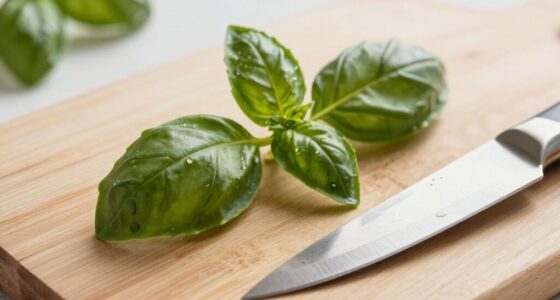
Yes, you can substitute other herbs for parsley in chimichurri-style chops. Herbs like cilantro, basil, or oregano offer unique flavor profiles that can complement your dish beautifully. Keep in mind their flavor profiles—cilantro is citrusy, basil is sweet, and oregano is earthy. Store your herbs properly in airtight containers with a damp paper towel to maintain freshness. Experiment to find the herb that best suits your taste!

Amco Mezzaluna Herb Chopper with Silicone Handle & Stainless Steel Blade – 4.9" Dishwasher Safe Chopping Tool for Herbs, Vegetables & Garlic – Non-Slip Grip, Easy to Use & Comfortable to Hold
Multifunctional Use: A versatile kitchen gadget for mincing or chopping a range of foods, from fruits, vegetables, nuts,…
As an affiliate, we earn on qualifying purchases.
As an affiliate, we earn on qualifying purchases.
Conclusion
So, now you know how to prep parsley perfectly for your chimichurri chops. Who would’ve thought that chopping and washing could be so essential? Ironically, it’s the simplest steps that make all the difference—yet often get overlooked. So next time you toss your parsley onto the meat, remember: tiny details make big flavors. Happy cooking, and enjoy that perfectly seasoned, mind-blowingly delicious chop—thanks to your parsley prep skills!
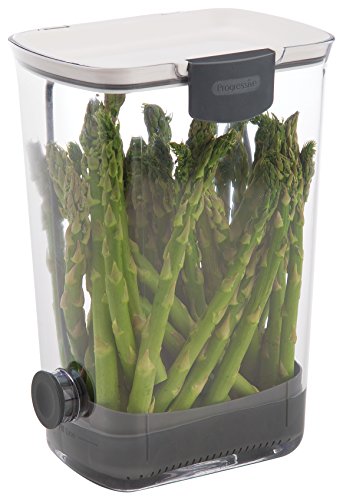
ProKeeper Herb Keeper – 1-Piece, White, with Removable Silicone Drain Plug, BPA-Free Plastic
Contains (1) ProKeeper BPA-Free Plastic Herb Keeper, White with Removable Silicone Drain Plug
As an affiliate, we earn on qualifying purchases.
As an affiliate, we earn on qualifying purchases.

Bapcoku Cute Herbs Botanic Garden Plants Kitchen Dish Towels Set of 2, Ultra Soft Absorbent Hand Drying Baking Cooking Cloth, Spring Summer Holiday Home Decor 16'' x 24''
Kitchen towels decorative set are made of polyester, kitchen dish towels for drying dishes, soft, comfortable, absorbent, reusable…
As an affiliate, we earn on qualifying purchases.
As an affiliate, we earn on qualifying purchases.