
TL;DR
Search interest in cleaning clams is rising, driven by consumer curiosity about safe preparation. Experts confirm that proper purging involves soaking and agitation, while storage requires cold, airtight conditions. Details on specific methods and timing remain under discussion.
Search interest in how to clean and store clams has surged recently, reflecting growing consumer focus on seafood safety and quality. While the basic steps for purging sand are well-established, detailed techniques and optimal storage methods are still being discussed among seafood experts and home cooks. This trend underscores the importance of proper clam preparation to ensure safety and freshness.
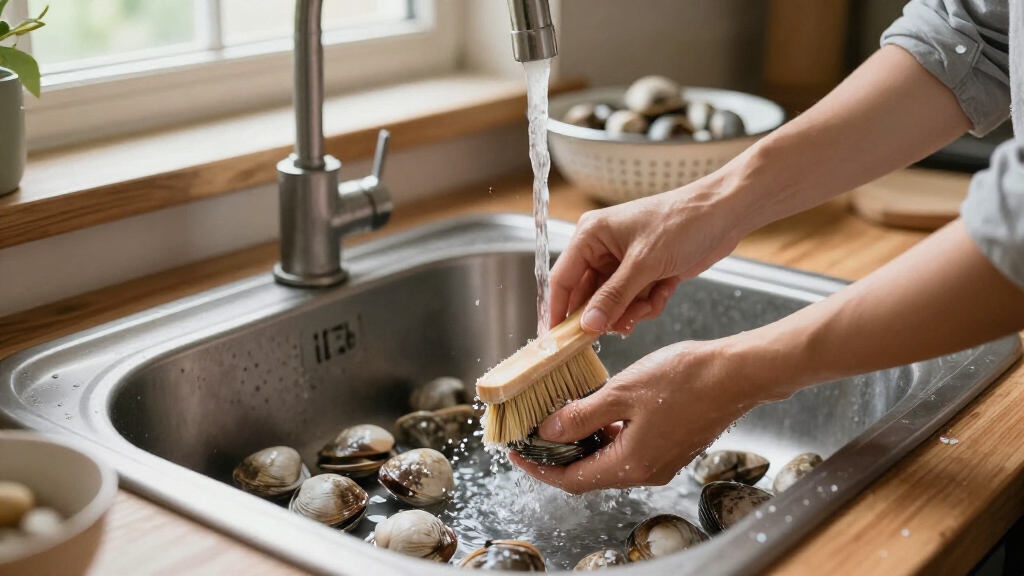
Confirmed practices for cleaning clams include soaking them in fresh, salted water for several hours to purge sand, and agitating them periodically to loosen particles. Experts advise changing the water frequently and avoiding tap water directly over the shells to prevent shell damage. Once cleaned, clams should be stored in a breathable container, such as a mesh bag or covered with a damp cloth, and kept in the refrigerator at temperatures close to 32°F (0°C) for up to 24 hours.
While these methods are widely recommended, some details—such as the optimal duration of soaking and whether adding cornmeal or other agents aids in sand removal—are still debated among seafood specialists. Authorities emphasize that thorough rinsing and gentle handling are crucial to prevent shell breakage and ensure safety.
Why Proper Cleaning and Storage Matters
Properly cleaning and storing clams is essential for consumer safety and enjoyment. Sand and grit remaining in clams can cause discomfort and potential health risks if ingested. Additionally, correct storage extends the freshness window, reducing spoilage and waste. As seafood consumption rises, understanding these basic practices helps consumers make informed, safe choices when preparing shellfish at home.
As an affiliate, we earn on qualifying purchases.
Background on Clam Preparation Techniques
The practice of purging clams by soaking in saltwater has been a standard culinary technique for decades, rooted in traditional seafood handling. Recent increases in home cooking and seafood consumption have driven more searches on this topic, especially as consumers seek safer, fresher options. While methods like using cornmeal or flour to aid in grit removal are popular, their effectiveness is not universally confirmed by scientific studies. Industry guidelines from seafood authorities recommend soaking for several hours and careful rinsing, but nuances in timing and method continue to be explored.
As an affiliate, we earn on qualifying purchases.
Unconfirmed Details About Optimal Purging Methods
While soaking and agitation are confirmed steps, the precise duration needed for effective sand removal varies among sources, ranging from 30 minutes to several hours. The efficacy of adding agents like cornmeal, flour, or even vinegar remains unproven by scientific consensus. Additionally, the best storage practices for preserving freshness without spoilage are still being debated, with some experts suggesting slightly different temperature ranges or container types.
refrigerated clam storage container
As an affiliate, we earn on qualifying purchases.
As an affiliate, we earn on qualifying purchases.
Next Steps in Clam Preparation Research
Further scientific studies are expected to clarify the most effective soaking durations and whether additives improve grit removal. Consumer guidance may evolve as seafood authorities update recommendations based on emerging evidence. Meanwhile, home cooks should follow established practices—soaking, gentle rinsing, and proper refrigeration—to ensure safety and freshness when preparing clams.
As an affiliate, we earn on qualifying purchases.
Key Questions
How long should I soak clams to purge sand?
Experts recommend soaking clams in salted water for at least 30 minutes, but some suggest up to 2-3 hours for thorough sand removal. Changing the water frequently during this process is advised.
Can I store clams in plastic bags?
It is not recommended to store live clams in airtight plastic bags, as they need to breathe. Instead, keep them in a breathable container or loosely covered with a damp cloth in the refrigerator.
Does adding cornmeal help clean clams?
The effectiveness of adding cornmeal or other agents to aid in grit removal is unconfirmed by scientific studies. The most reliable method remains soaking in salted water and gentle rinsing.
How long can I keep cleaned clams in the fridge?
Freshly cleaned clams should be kept in the refrigerator at around 32°F (0°C) and consumed within 24 hours for optimal freshness and safety.
Are there any safety tips for handling live clams?
Always wash your hands before and after handling live shellfish, keep them cold, and avoid cross-contamination with other foods. Use clean utensils and surfaces when preparing clams.
Source: rss