
TL;DR

Get kitchen gear delivered free with Prime
- Fast, free delivery on millions of items
- Prime Video, Amazon Music and more included
- Member-only deals all year
Battuto is the raw aromatic mixture of vegetables and herbs, while soffritto is that mixture after gentle cooking in fat. Understanding the difference enhances Italian cooking techniques and dish flavors.
Italian cooking relies heavily on two foundational techniques: battuto and soffritto. While often used interchangeably in casual conversation, these terms refer to different stages in flavor development. For a deeper understanding, see the original analysis. A clear understanding of their distinction is crucial for achieving authentic taste and texture in Italian dishes, from ragù to seafood.
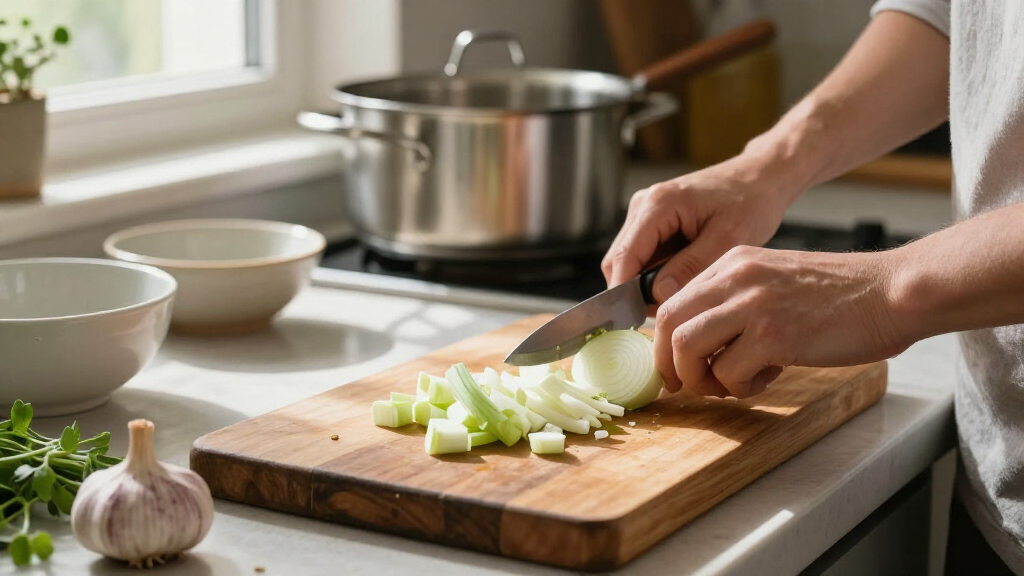
Battuto is the raw, finely chopped mixture of aromatics such as onion, carrot, celery, and sometimes herbs or cured meats. It serves as the raw ingredient base, prepared before cooking begins. Many Italian recipes start with a battuto or soffritto to build flavor. Soffritto, on the other hand, is the result after this mixture is gently cooked in fat—olive oil, butter, or rendered pork fat—until tender, fragrant, and lightly golden. This cooking process develops sweetness and aroma, forming the flavor foundation of many Italian recipes.
According to culinary sources like Mad Tasting, the key difference lies in the stage of preparation: battuto is the raw mixture, while soffritto is the cooked, aromatic base. The timing and temperature are critical; overcooking can lead to bitterness, especially with onions. The choice of fat and regional ingredients also influence the final flavor profile, whether in Northern ragù, central bean dishes, or Southern tomato sauces. Regional variations may omit certain vegetables or use different herbs, but the principle remains consistent: controlled, gentle cooking enhances depth without overpowering the dish.
Understanding this distinction allows cooks to build layers of flavor intentionally, ensuring each stage contributes appropriately to the final taste. This technique is detailed in the original analysis. For example, in Emilia-Romagna, the soffritto forms the backbone of a rich ragù, while in Naples, garlic and parsley may serve as a lighter base for seafood dishes.
Why Mastering Battuto and Soffritto Elevates Italian Cooking
Knowing the difference between battuto and soffritto is essential for achieving authentic Italian flavors. Properly preparing these bases ensures depth, balance, and harmony in dishes like pasta sauces, stews, and braises. It also helps cooks avoid common pitfalls such as raw-tasting vegetables or burnt fat, which can compromise the dish. This understanding empowers home cooks and chefs to replicate regional dishes more accurately and develop confidence in building flavor layers from scratch.
Furthermore, this knowledge underscores the importance of patience and technique—slow, controlled cooking transforms simple ingredients into complex, savory foundations. It also highlights regional diversity, as ingredient choices and cooking styles vary across Italy, reflecting local tastes and traditions.
Italian cooking garlic and herb chopping set
As an affiliate, we earn on qualifying purchases.
As an affiliate, we earn on qualifying purchases.
Historical and Regional Variations of Battuto and Soffritto
The terms battuto and soffritto have roots in Italian culinary history, with regional variations influencing their use. In northern Italy, especially Emilia-Romagna, ragù relies heavily on a finely chopped battuto of onion, carrot, and celery, cooked slowly to develop a rich, savory base. In central Italy, such as Tuscany and Lazio, the focus may shift toward garlic, herbs, and olive oil, with less emphasis on carrot or celery.
Historically, these techniques evolved from Mediterranean and Latin culinary traditions, sharing similarities with Spanish sofrito but maintaining distinct regional identities. In southern Italy, especially around Naples, garlic and parsley often predominate, with a preference for quick, fragrant sautés rather than slow, vegetable-heavy soffritto. Over time, cooks have adapted these bases based on available ingredients, climate, and local tastes, leading to a rich tapestry of regional variations.
Today, chefs and home cooks alike recognize that while the terminology may blur—many use battuto and soffritto interchangeably—the core principle remains: slow, gentle cooking of aromatics builds the flavor foundation of authentic Italian dishes.
“The distinction between battuto and soffritto is crucial: one is raw, the other cooked in fat, each serving a different purpose in flavor building.”
— Mad Tasting
professional chef vegetable chopper
As an affiliate, we earn on qualifying purchases.
As an affiliate, we earn on qualifying purchases.
Unclear Aspects of Regional Variations and Usage
While the general distinction is widely accepted, regional practices vary significantly, and some cooks may use the terms interchangeably or adapt ingredients based on personal or local preferences. It is not yet fully clear how strictly these definitions are adhered to across all Italian regions, especially in home kitchens versus professional settings. Additionally, some contemporary recipes blend the stages or omit certain ingredients, reflecting evolving culinary trends.
As an affiliate, we earn on qualifying purchases.
Future Trends in Italian Flavor Base Preparation
As Italian cuisine continues to evolve globally, chefs and home cooks are experimenting with traditional bases, sometimes blending battuto and soffritto or adapting ingredients for dietary preferences. Educational efforts and culinary workshops increasingly emphasize the technical distinctions to preserve authenticity. Future developments may include more regional-specific guides and digital tutorials to help cooks master these foundational techniques with precision.
As an affiliate, we earn on qualifying purchases.
Key Questions
Can I use different vegetables in battuto or soffritto?
Yes. While onion, carrot, and celery are traditional, regional variations may include herbs, garlic, or cured meats. Adjust ingredients based on the dish and regional style.
What fat should I use for soffritto?
Extra virgin olive oil is most common, but butter or rendered pork fat can be used depending on the dish and region.
How long should I cook soffritto?
Typically 10 to 20 minutes over low to medium-low heat, until vegetables are tender, fragrant, and lightly golden. Patience is key for developing flavor.
Is soffritto necessary for all Italian dishes?
Not necessarily. Some dishes, especially seafood or quick-cook recipes, may omit soffritto or use a different aromatic base. However, it remains a fundamental technique in many traditional recipes.
Source: Mad Tasting
Halloween Picks
halloween
As an affiliate, we earn on qualifying purchases.