
TL;DR

Get kitchen gear delivered free with Prime
- Fast, free delivery on millions of items
- Prime Video, Amazon Music and more included
- Member-only deals all year
Tijuana-style Tostilocos, a Mexican snack combining chips with various toppings, are gaining popularity in the U.S. food scene. The trend highlights cross-cultural culinary influences but raises questions about authenticity and health concerns.
Tijuana-style Tostilocos are increasingly appearing in U.S. food venues, marking a rising trend in cross-border Mexican street food. The snack, traditionally made with Tostitos chips topped with ingredients like cueritos, Japanese peanuts, hot sauce, and lime, is capturing attention for its bold flavors and cultural roots. This development matters because it reflects the growing influence of Mexican street cuisine in the U.S. food landscape and sparks discussions about authenticity and health considerations.
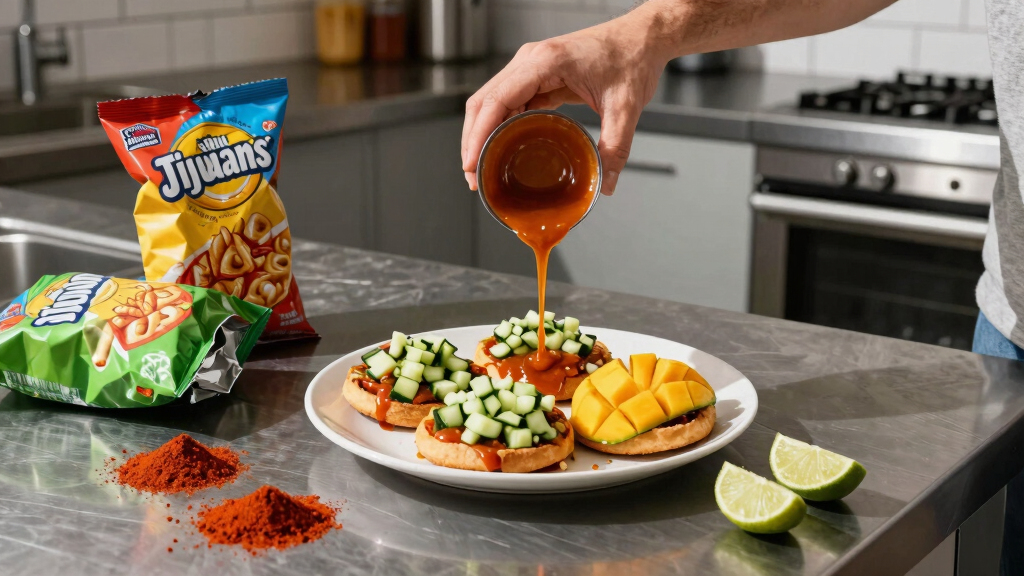
Sources confirm that several U.S. restaurants and food vendors, especially in border states and urban areas with diverse populations, have begun offering Tijuana-style Tostilocos. The snack’s popularity appears to be driven by social media exposure and the increasing appreciation for Mexican street food culture. The ingredients typically include Tostitos chips, cueritos (pickled pork rinds), Japanese peanuts, hot sauce, lime, and sometimes additional toppings like cucumber or mangos, depending on the vendor.
Food experts and cultural commentators note that Tostilocos originated from Tijuana street vendors and have become a staple snack in Mexican border towns. While some U.S. vendors claim to serve authentic versions, others adapt ingredients to local tastes, which has sparked debate over what constitutes ‘authentic’ Tijuana-style Tostilocos. No official health warnings or regulations specific to this snack have been issued, but health advocates warn about high sodium and fat content in some versions.
Cultural and Culinary Impact of Tijuana-Style Tostilocos in the U.S.
The rise of Tijuana-style Tostilocos in the U.S. highlights the broader influence of Mexican street food on American culinary trends. It exemplifies how cross-border food traditions are evolving and gaining mainstream acceptance, especially among younger consumers. The trend also raises questions about cultural authenticity and the commercialization of traditional recipes. Additionally, the increasing availability of such snacks may impact public health, given their nutritional profile, prompting discussions about moderation and ingredient transparency.
As an affiliate, we earn on qualifying purchases.
Origins and Spread of Tijuana-Style Tostilocos
Tostilocos originated in Tijuana, Mexico, as a street snack popular among local youth and festival-goers. The dish gained popularity through social media and word-of-mouth, expanding beyond its origins into other parts of Mexico and eventually into the U.S. in recent years. Vendors often customize toppings based on local preferences, which has led to variations of the original recipe. The trend reflects a broader pattern of Mexican street foods becoming mainstream in North America, driven by increased cultural exchange and culinary curiosity.
“Tijuana-style Tostilocos are a vibrant expression of local street culture, blending flavors and ingredients that tell a story of community and tradition.”
— Maria Lopez, Mexican street food expert
As an affiliate, we earn on qualifying purchases.
Debates Over Authenticity and Health Risks
It remains unclear how widespread authentic versions of Tijuana-style Tostilocos are across the U.S., as many vendors adapt ingredients to local tastes. There is also no official regulation or standard for what qualifies as ‘authentic,’ leading to variations that may differ significantly from traditional recipes. Health impacts are also not fully studied, and consumer awareness about nutritional content varies.
As an affiliate, we earn on qualifying purchases.
Potential Regulatory and Cultural Developments
As the trend grows, there may be increased efforts by health authorities to monitor ingredients and nutritional information. Additionally, cultural organizations might promote authentic recipes or educate consumers about the origins of Tijuana-style Tostilocos. Food vendors and restaurants are likely to continue experimenting with toppings and presentation, potentially leading to more standardized versions or further variations.
As an affiliate, we earn on qualifying purchases.
Key Questions
What exactly are Tijuana-style Tostilocos?
Tijuana-style Tostilocos are a Mexican street snack made with Tostitos chips topped with ingredients like cueritos (pickled pork rinds), Japanese peanuts, hot sauce, lime, and other toppings, originating from Tijuana street vendors.
Why are they becoming popular in the U.S.?
Their popularity is driven by social media exposure, the appeal of Mexican street food, and the curiosity of consumers seeking bold, flavorful snacks.
Are Tijuana-style Tostilocos healthy?
They are generally high in sodium and fats, which raises health concerns, especially if consumed frequently or in large quantities.
Are all versions authentic?
No, many vendors adapt ingredients based on local tastes, leading to variations that may differ from traditional recipes from Tijuana.
Will there be regulations or standards for these snacks?
It is not yet clear if health authorities will introduce specific regulations, but increased awareness and potential labeling requirements could occur as the trend spreads.
Source: rss
Halloween Picks
halloween
As an affiliate, we earn on qualifying purchases.