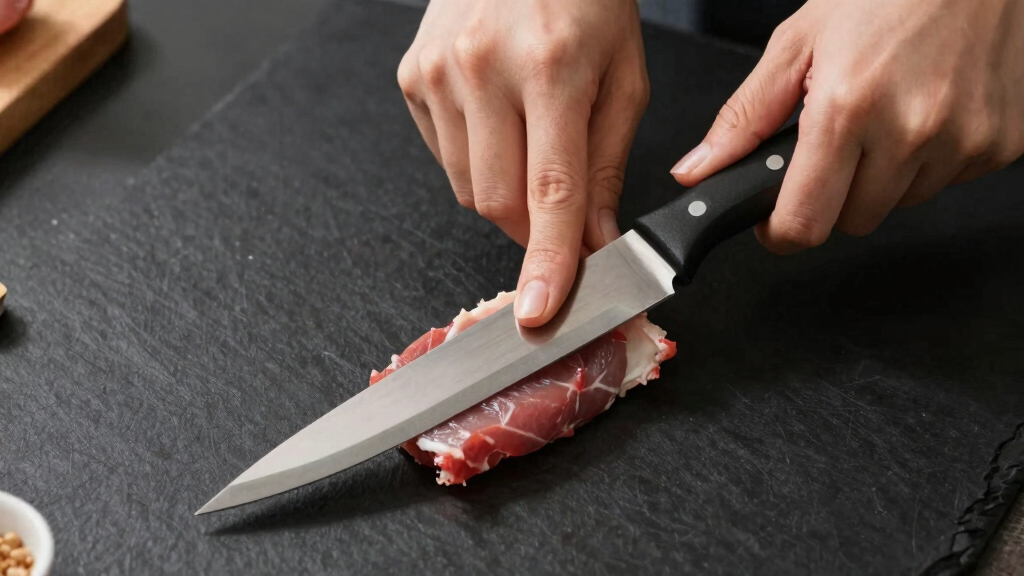
Finding the best boning knife for trimming meat depends on your specific needs—whether you’re a professional butcher or a home cook. The Mercer Culinary Millennia Black Handle 6-Inch Curved Boning Knife stands out for its balance and durability, making it great for precise cuts. The Victorinox Fibrox Curved Boning Knife offers excellent flexibility for working around bones, while the HOSHANHO 7 Inch Fillet Knife provides high-performance Japanese steel for delicate trimming. The main tradeoffs often involve balancing blade flexibility, handle comfort, and price. Continue reading to explore which knife fits your trimming tasks best.
Key Takeaways
- Flexibility of the blade is crucial for detailed meat trimming, as seen with the Victorinox Fibrox model.
- Handle comfort and grip significantly influence control during long trimming sessions, making ergonomic designs preferable.
- High-carbon stainless steel blades offer better edge retention but may require more maintenance, as demonstrated by the HOSHANHO fillet knife.
- Budget options like the Mercer Millennia deliver solid performance for most home cooks, though they may lack the finesse of premium knives.
- Specialized features like curved blades and semi-stiff designs help manage different meat types and trimming techniques more effectively.
| Mercer Culinary Millennia Black Handle 6-Inch Curved Boning Knife |  | Best Overall for Precision and Comfort | Blade Length: 6 inches | Material: High-carbon Japanese steel | Handle: Black ergonomic handle with textured finger points | VIEW LATEST PRICE | See Our Full Breakdown |
| HOSHANHO 7 Inch Fillet Knife – High Carbon Stainless Steel, Professional Japanese Fish Boning Knife |  | Best for Versatility and Flexibility | Blade Length: 7 inches | Material: High Carbon Stainless Steel 10Cr15CoMoV | Blade Edge: 15-degree hand polished | VIEW LATEST PRICE | See Our Full Breakdown |
| Victorinox Fibrox Curved Boning Knife, 6-Inch, Flexible Blade, Black |  | Best for Delicate, Precise Cuts | Blade Length: 6 inches | Blade Type: Flexible | Handle Material: Fibrox | VIEW LATEST PRICE | See Our Full Breakdown |
| Victorinox 6″ Professional Boning Knife, Curved Blade, Semi-stiff, Maple Wood Handle |  | Best for Traditional Feel and Precise Deboning | Blade Length: 6 inches | Blade Type: Curved, narrow | Blade Material: High-carbon stainless steel | VIEW LATEST PRICE | See Our Full Breakdown |
| Cutluxe Carving Knife Set for BBQ & Brisket – Razor Sharp German Steel Slicing and Boning Knives | 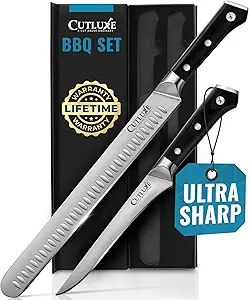 | Best for Heavy-Duty and Versatile Cutting | VIEW LATEST PRICE | See Our Full Breakdown | |||
| Mercer Culinary Ultimate White 6-inch Curved Boning Knife |  | Best for Precision and Professional-Grade Deboning | Blade Length: 6 inches | Material: High-carbon Japanese steel | Series: Ultimate White | VIEW LATEST PRICE | See Our Full Breakdown |
More Details on Our Top Picks
Mercer Culinary Millennia Black Handle 6-Inch Curved Boning Knife
This Mercer Millennia boning knife earns its top spot by combining a high-carbon Japanese steel blade with an ergonomic handle, making it a reliable choice for both professional chefs and serious home cooks. Compared with the Victorinox Fibrox, it offers a longer-lasting edge and more comfortable grip, but it demands careful hand washing since it’s not dishwasher safe. The 6-inch blade is well-suited for detailed trimming and deboning, though some may find it slightly small for larger cuts. Its high-quality steel ensures durability, while the ergonomic handle reduces fatigue during extended use, making it the best all-around option for those who prioritize precision and comfort.
Pros:- High-quality Japanese steel for exceptional sharpness and edge retention
- Ergonomic handle offers a secure, comfortable grip for extended use
- Ideal for deboning, trimming fat, and separating meat from bone
Cons:- Requires hand washing; not dishwasher safe
- Blade length may be too small for large cuts or heavy-duty tasks
Best for: Professional chefs and advanced home cooks needing a durable, precise boning tool
Not ideal for: Casual cooks or those preferring dishwasher-safe knives for quick cleanup
- Blade Length:6 inches
- Material:High-carbon Japanese steel
- Handle:Black ergonomic handle with textured finger points
- Care Instructions:Hand wash only
- Series:Millennia
Bottom line: This knife is perfect for those who need a precise, comfortable tool for detailed meat trimming and deboning.
HOSHANHO 7 Inch Fillet Knife – High Carbon Stainless Steel, Professional Japanese Fish Boning Knife
The HOSHANHO 7-inch fillet knife excels at precision cuts thanks to its flexible, high-carbon stainless steel blade, making it a strong choice for both fish and meat. Unlike the stiffer Mercer Millennia, its flexible blade allows for delicate, intricate trimming, which is ideal for filleting fish or removing sinew with finesse. The ergonomic pakkawood handle adds comfort, but it may require maintenance to prevent cracking over time. The 7-inch length makes it slightly more adaptable for larger tasks than the shorter Mercer, though its softer blade might need more frequent sharpening. It’s best suited for those who need a versatile, precise knife for both fish and meat.
Pros:- Flexible blade for delicate, precise cuts
- Corrosion-resistant stainless steel for durability
- Ergonomic handle provides comfort during extended use
Cons:- Blade may be softer and require careful handling to prevent damage
- Pakkawood handle needs maintenance to prevent cracking
Best for: Home cooks and professional chefs handling fish, poultry, and smaller meat cuts
Not ideal for: Users seeking a stiff blade for heavy butchering or large cuts
- Blade Length:7 inches
- Material:High Carbon Stainless Steel 10Cr15CoMoV
- Blade Edge:15-degree hand polished
- Handle Material:Pakkawood
- Blade Flexibility:Flexible
Bottom line: Ideal for cooks who value finesse and versatility in trimming both fish and meat with a flexible blade.
Victorinox Fibrox Curved Boning Knife, 6-Inch, Flexible Blade, Black
The Victorinox Fibrox 6-inch boning knife shines with its highly flexible curved stainless steel blade, making it a favorite for precise meat and fish cuts. Compared to the stiffer Victorinox semi-stiff model, it offers more agility in delicate trimming, although it may require more frequent sharpening over time. Its textured Fibrox handle provides a secure grip, reducing hand fatigue during detailed work. While it is excellent for finesse tasks, it’s less suited for heavy-duty deboning of large, tough cuts. This knife makes the most sense for those prioritizing finesse and control over brute strength.
Pros:- Flexible blade for precise, delicate cuts
- Slip-resistant Fibrox handle for safety
- Made in Switzerland with durable stainless steel
Cons:- Limited to finesse tasks; not ideal for heavy deboning
- Requires regular sharpening to maintain sharpness
Best for: Cooks focused on delicate deboning and trimming of fish and poultry
Not ideal for: Heavy meat processing or large cuts requiring a stiffer blade
- Blade Length:6 inches
- Blade Type:Flexible
- Handle Material:Fibrox
- Material:Stainless steel
- Country of Origin:Switzerland
Bottom line: This knife is best for cooks who need finesse and control in delicate trimming tasks.
Victorinox 6″ Professional Boning Knife, Curved Blade, Semi-stiff, Maple Wood Handle
This Victorinox semi-stiff boning knife offers a curved, narrow high-carbon stainless steel blade, ideal for precise deboning of various meats. Its maple wood handle provides a traditional, comfortable grip, though it may not withstand the rigors of heavy professional use as well as synthetic handles. Compared to the flexible Fibrox model, it offers more stiffness, which some users find better for heavier cuts. However, it might require more frequent sharpening, especially with extensive use. This pick is suited for those who appreciate a classic feel combined with precision in meat trimming.
Pros:- High-carbon stainless steel for durability
- Ergonomic maple wood handle for comfort
- Ideal for precise, controlled deboning
Cons:- Handle may be less durable than synthetic options
- Requires regular sharpening for optimal performance
Best for: Experienced cooks and butchers seeking a traditional, semi-stiff boning knife
Not ideal for: Casual cooks or those who prefer low-maintenance, dishwasher-safe tools
- Blade Length:6 inches
- Blade Type:Curved, narrow
- Blade Material:High-carbon stainless steel
- Handle Material:Maple wood
- Stiffness:Semi-stiff
Bottom line: This knife suits traditionalists who want a semi-stiff, precise boning tool with a comfortable handle.
Cutluxe Carving Knife Set for BBQ & Brisket – Razor Sharp German Steel Slicing and Boning Knives
The Cutluxe carving set features a 6-inch boning knife alongside a 12-inch slicing knife, both made from high-quality German steel with granton blades for effortless meat separation. This set’s full tang construction and ergonomic handles make it suitable for heavy-duty tasks like brisket trimming or large meat processing. Compared with dedicated boning knives like the Mercer or Victorinox, it offers greater versatility, but the larger size and focus on slicing may make it less precise for delicate trimming. The premium price reflects its durability and all-in-one functionality, making it a great choice for BBQ enthusiasts and professionals needing robust tools.
Pros:- High-quality German steel for razor-sharp edges
- Full tang, forged construction for durability
- Includes a versatile 12-inch slicing knife and a 6-inch boning knife
Cons:- Premium price point may be high for some buyers
- Requires careful maintenance to prevent rust
- Size may be less maneuverable for delicate trimming
Best for: BBQ lovers and professionals handling large cuts needing both slicing and boning capabilities
Not ideal for: Cooks seeking a dedicated, smaller boning knife for fine work or detailed trimming
Bottom line: Best suited for those who need a durable, versatile set for large cuts and heavy-duty meat processing.
Mercer Culinary Ultimate White 6-inch Curved Boning Knife
The Mercer Culinary Ultimate White stands out for its high-carbon Japanese steel blade, which offers exceptional sharpness and durability—qualities that are vital for precise trimming and deboning. Compared with the Victorinox Fibrox, which provides flexibility and a softer edge, this knife delivers a more rigid, controlled cut, making it ideal for detailed work. Its ergonomic handle with textured finger points ensures safety and comfort during extended use, but it requires hand washing and is not dishwasher safe, adding a layer of maintenance. While it’s limited to tasks like trimming fat and deboning, it’s an excellent choice for those who want a dedicated, high-performance tool and are willing to handle some extra care.
Pros:- Sharp, durable blade for precise deboning
- Ergonomic, non-slip handle enhances safety and comfort
- High-quality Japanese steel ensures edge retention
Cons:- Requires hand washing, not dishwasher safe
- Limited to specific tasks like deboning and trimming
Best for: Professional cooks or serious home chefs focused on precise, clean cuts when trimming meat and fish.
Not ideal for: Casual cooks or those seeking a versatile all-in-one knife, since this is specialized and requires hand washing.
- Blade Length:6 inches
- Material:High-carbon Japanese steel
- Series:Ultimate White
- Handle:Ergonomic with textured finger points
Bottom line: This knife is best suited for those who need a dedicated, high-precision tool for meat trimming and are prepared for proper maintenance.
How We Picked
Our evaluation focused on key factors that influence trimming precision and ease of use, including blade flexibility, edge retention, handle ergonomics, blade material, and overall value. We prioritized knives with durable construction suitable for frequent use, and those with user-friendly features that improve control. To ensure relevance, we included options for both professional-grade and home-use needs, ranking them based on performance, durability, and maintenance. This approach ensures that each product serves a distinct user profile, from beginners to seasoned chefs.Factors to Consider When Choosing Best Boning Knife For Trimming Meat
Choosing the best boning knife for trimming meat involves understanding several important factors. The right knife can make meat preparation faster, safer, and more precise, but the wrong choice may cause frustration or injury. It’s essential to consider blade flexibility, handle comfort, and blade material to match your trimming style and frequency. Additionally, budget constraints and maintenance requirements can influence your decision. This guide covers the main considerations to help you select a knife that balances performance and value.Blade Flexibility and Shape
The flexibility of a boning knife directly impacts how easily you can maneuver around bones and cartilage. Flexible blades are better suited for delicate tasks like filleting fish or trimming tender meat, while semi-stiff blades excel at removing larger bones. The shape, whether straight or curved, also affects control and precision. A curved blade offers better leverage for slicing close to bones, but might require more skill to handle comfortably. Matching blade flexibility and shape to your typical meat trimming tasks ensures smoother, safer cuts.
Handle Comfort and Ergonomics
A comfortable handle reduces fatigue and improves control during extended trimming sessions. Look for handles made from non-slip materials with ergonomic contours that fit your hand naturally. Some knives feature textured grips or cushioned scales for added comfort, which is especially important when working with sticky or cold meat. Poorly designed handles can cause slips or strain, leading to accidents or inconsistent cuts. Investing in a well-balanced, ergonomic handle pays off in both safety and precision.
Blade Material and Maintenance
High-carbon stainless steel blades strike a balance between edge retention and corrosion resistance, making them popular for boning knives. They stay sharp longer but may require regular honing and careful cleaning to prevent rust. Ceramic blades are extremely hard and maintain sharpness for years but are more fragile and prone to chipping. Consider how much effort you’re willing to put into maintenance; a slightly less sharp but easier-to-care-for blade might suit casual users better. The right material depends on your frequency of use and willingness to perform upkeep.
Blade Length and Weight
Most boning knives range from 5 to 7 inches in blade length. Longer blades can handle larger cuts more efficiently but might lack the control needed for fine trimming. Conversely, shorter blades are better for detailed work but may require more passes. Weight also affects handling—heavier knives provide more momentum for slicing, but can cause fatigue over time. Choose a size and weight that feels balanced in your hand and matches your typical meat trimming tasks to improve comfort and accuracy.
Budget and Overall Value
While premium knives often feature superior materials and craftsmanship, a well-chosen budget option can deliver excellent results for home use. It’s important to weigh the cost against expected durability and performance. Investing in a slightly more expensive model with better edge retention and ergonomic features can save money and effort in the long run. Conversely, if you only trim meat occasionally, a mid-range or budget knife might provide all the functionality you need without overspending. Consider your frequency of use and the level of precision you require when selecting your budget range.
Frequently Asked Questions
How often should I sharpen my boning knife?
Regular sharpening depends on how frequently you use the knife and the type of meat you trim. For most home cooks, honing the blade after every few uses helps maintain its edge, with sharpening needed every few months or when you notice a decline in performance. Using a sharpening stone or a professional sharpener can restore the blade’s cutting ability and prolong its lifespan. Proper maintenance ensures your boning knife remains precise and safe to handle, especially when working around bones and cartilage.
Is a flexible or semi-stiff blade better for trimming meat?
Flexible blades are generally preferred for delicate tasks like fish filleting or trimming tender cuts because they can bend around bones and cartilage easily. Semi-stiff blades, on the other hand, provide more control and force for removing larger bones or thicker meat sections. The best choice depends on your typical trimming tasks; professionals often prefer a flexible blade for fine work, while semi-stiff blades suit more general butchery needs. Selecting the right flexibility improves both safety and efficiency.
Can I use a boning knife for other kitchen tasks?
While boning knives are designed specifically for meat trimming, their versatility allows for tasks like peeling, slicing, and filleting, especially with flexible models. However, they are not ideal for tasks requiring a heavier or broader blade, such as chopping or slicing bread. Using a boning knife outside its intended purpose can dull the blade faster or cause damage. To get the best results and preserve your knife’s longevity, reserve it primarily for trimming meat and delicate cuts.
What blade length should I choose for home use?
For most home users, a 6-inch boning knife strikes a good balance between control and versatility. Shorter blades, around 5 inches, provide more precision for detailed work, while longer blades, up to 7 inches, can handle larger cuts more efficiently. Consider your hand size and comfort, as well as the typical size of the meat you trim. Picking a blade length that feels natural in your hand helps improve control and reduces fatigue during extended trimming sessions.
Is it worth investing in a professional-grade boning knife?
Investing in a professional-grade boning knife can be worthwhile if you frequently trim meat or work in a culinary setting. These knives often feature higher-quality materials, better edge retention, and ergonomic designs that reduce fatigue. They can provide cleaner, more precise cuts, saving you time and effort. However, for occasional use, a mid-range or budget option might suffice. Consider your trimming frequency and desired level of precision before choosing a premium model.
Conclusion
If you’re a home cook looking for reliable performance without breaking the bank, the Mercer Culinary Millennia offers excellent value with its balance of flexibility and durability. For professionals or serious enthusiasts, the Victorinox Fibrox Curved Boning Knife provides superb control and edge retention for frequent use. Beginners should consider a more forgiving, ergonomic model like the Mercer Ultimate White for comfort and ease of handling. Those with specific needs, such as fish trimming or delicate filleting, will benefit from specialized blades like the HOSHANHO fillet knife. Ultimately, selecting the right boning knife depends on your trimming style, budget, and experience level—use this guide to find your perfect match.