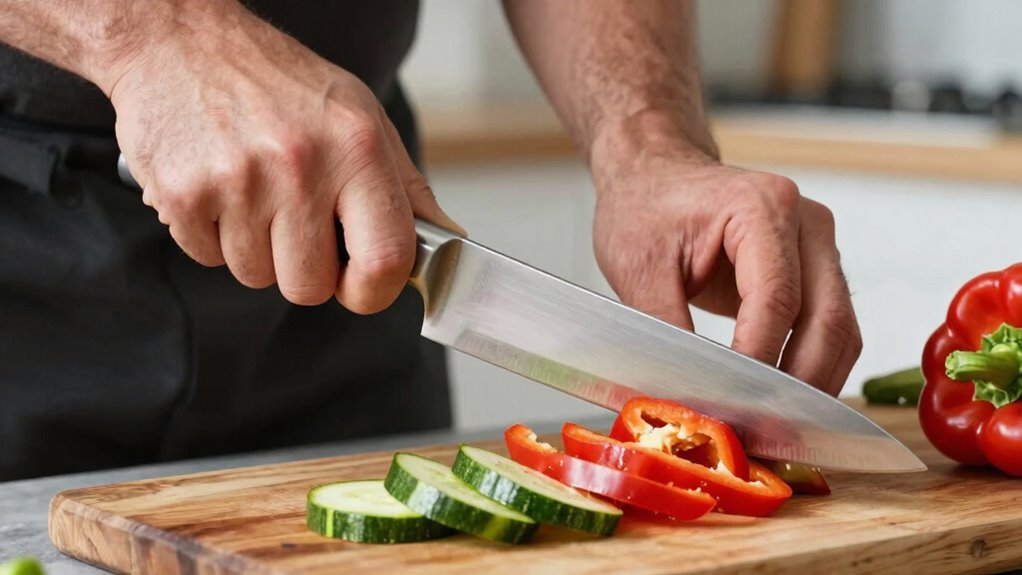
To stop over-gripping your knife, focus on holding it firmly but with a relaxed grip. Use the pinch grip—pinch the blade above the handle with your thumb and index finger—and wrap your remaining fingers around the handle for stability. Remember to use your wrist and arm to guide the knife, not just your grip strength. Keep your fingers curled inward away from the blade, supporting your cuts safely. By practicing these tips, you’ll improve control and reduce fatigue—learn more to perfect your technique.
Key Takeaways
- Use the pinch grip by gripping the blade above the handle with your thumb and index finger for better control.
- Relax your grip, holding the handle firmly but not tightly to reduce tension and fatigue.
- Focus on wrist and arm movements rather than squeezing the handle for smoother cuts.
- Keep fingers curled inward and support food with knuckles to maintain proper hand positioning.
- Practice with mindfulness and proper posture to develop relaxed, natural grip habits over time.

If you find yourself gripping your knife too tightly during food prep, you’re not alone—many cooks do the same out of tension or unfamiliarity. Over-gripping can make your cutting less efficient and even increase the risk of accidents. To improve your knife safety, it’s essential to learn proper grip techniques that promote control without unnecessary tension. Instead of clutching the handle with a death grip, aim for a relaxed hold that allows your hand to move smoothly and confidently. A proper grip involves holding the handle firmly enough to maintain control but not so tightly that your hand becomes stiff or fatigued.
Grip your knife firmly but relaxed for better control and safety during food prep.
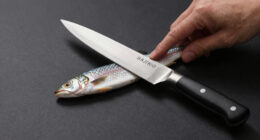
One effective grip technique is the “pinch grip,” where you pinch the blade of the knife just above the handle with your thumb and index finger, while wrapping your remaining fingers around the handle. This grip gives you better precision and balance, reducing the tendency to over-tighten. It also keeps your hand relaxed, decreasing strain and improving your overall knife safety. As you get comfortable with this technique, you’ll notice less fatigue and more fluid, controlled cuts. Keep your grip consistent, and avoid squeezing the handle excessively—tension in your hand translates to less control and increased risk of slipping.
Another tip is to focus on your wrist and arm movement rather than relying solely on your grip strength. Use your whole arm to guide the knife, which helps distribute effort more evenly and reduces the temptation to grip too tightly. When your wrist moves freely, your cuts become cleaner, and you maintain better control without unnecessary force. Remember, a loose grip allows the knife to do the work for you, making your prep faster and safer. Additionally, practicing proper hand positioning can significantly improve your technique and reduce strain. Developing awareness of your grip pressure and adjusting it gradually can help develop a more natural and relaxed handling style. Incorporating mindful practice can further help you develop muscle memory for safe and efficient knife handling.
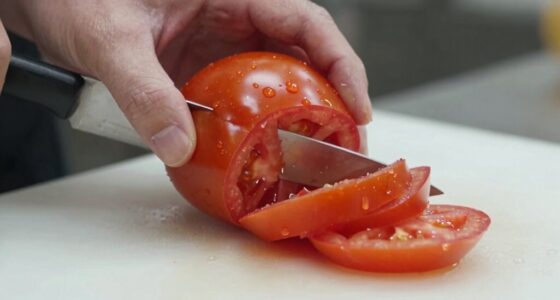
Incorporating regular practice with mindful attention to your grip can help reinforce good habits and improve overall safety. Paying attention to your posture and hand positioning is also crucial. Keep your fingers curled inward, away from the blade’s path, and support the food with your knuckles, which act as a guide for even, safe slices. As you become more aware of your grip, you’ll naturally develop a more relaxed hold. Over time, this adjustment will become second nature, enhancing your knife safety and making food prep more enjoyable.

DICEVICE EverGrip Ergonomic Grip for Chef Knife & Kitchen Knives – Helper for Precise Cutting & Improved Cutting Comfort | Cooking Knife Tool Accessory & Pinch Grip Trainer
🔪 REDUCE HAND STRAIN & CHOP IN COMFORT – Say goodbye to hand fatigue and wrist pain during…
As an affiliate, we earn on qualifying purchases.
As an affiliate, we earn on qualifying purchases.
Frequently Asked Questions
How Can I Tell if I’M Over-Gripping My Knife?
You can tell you’re over-gripping your knife if your hand feels tense or fatigued after chopping. Pay attention to your knife grip tension—if your knuckles turn white or your grip feels overly tight, you’re likely over-gripping. Try adjusting your hand positioning techniques, keeping a relaxed hold with a light touch, and make sure your grip is firm but not oppressive. Practicing these tips helps improve control without unnecessary tension.
Are There Specific Knives Better Suited for Preventing Over-Gripping?
They say a good craftsman never blames his tools, but the right knife can make a difference. Choose knives with excellent handle ergonomics that fit comfortably in your hand. Opt for those with textured grips or contouring to naturally encourage proper grip technique variations. These features help you avoid over-gripping by promoting a relaxed hold, reducing fatigue, and increasing control during prep. A well-designed knife can truly transform your cutting experience.
How Does Over-Gripping Affect Knife Safety?
Over-gripping your knife can compromise your safety because it limits your control, increasing the risk of slips and cuts. Poor knife handling reduces safety awareness, making accidents more likely. When you grip too tightly, you tire faster and lose precision, which can lead to dangerous mishaps. To stay safe, focus on proper technique, maintain a relaxed grip, and stay alert, ensuring your safety awareness is always sharp during prep.
Can Over-Gripping Cause Damage to the Knife?
Over-gripping can indeed cause damage to your knife, especially over time. When you squeeze too tightly, it puts unnecessary stress on the blade and handle, potentially leading to loosened rivets or weakened blade edges. Proper grip ergonomics help distribute pressure evenly, preserving your knife’s sharpness and integrity. Good knife maintenance involves using the right grip, avoiding excessive force, and regularly checking for signs of wear to guarantee longevity.
What Exercises Can Improve My Knife Grip?
To boost your grip relaxation and hand strength, try squeezing a soft rubber ball or stress ball for a few minutes daily. Incorporate finger and hand stretches, like opening your hand wide and then gently squeezing into a fist, to enhance dexterity. Hand grip exercises, such as using a grip strengthener or performing wrist curls, can also help you develop a more relaxed, controlled grip, making your knife work precise and effortless.
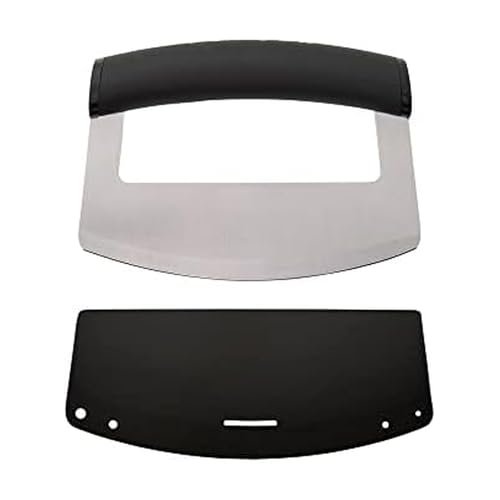
KitchenAid Mezzaluna Knife with Stainless Steel Curved Blade with Ergonomic Handle, 6 Inch, Black
ESSENTIAL TOOL: perfect for chopping onions, garlic, and fresh herbs, or to cut dough for pastries or pizza
As an affiliate, we earn on qualifying purchases.
As an affiliate, we earn on qualifying purchases.
Conclusion
By loosening your grip and embracing a lighter touch, you’ll glide through prep with the ease of a painter’s brush on canvas. Imagine your knife as an extension of your hand, dancing effortlessly across the cutting board like a river carving its path. Let go of tension, trust your technique, and watch your skills sharpen with every slice. Soon, over-gripping will be just a distant memory, replaced by confident, fluid movements that make cooking a true pleasure.

GoodCook Precision Chef's Knife 8-Inch Full-Tang & Full-Forged Bolster, Stainless Steel Forged Construction
8-INCH PRECISION FINE EDGE BLADE: for any food prepping task in the kitchen
As an affiliate, we earn on qualifying purchases.
As an affiliate, we earn on qualifying purchases.

Intelitopia Complete Knife Sharpening Stone Set – Dual Grit Whetstone 400/1000 3000/8000 Knife Sharpener with Leather Strop, Flattening Stone, Bamboo Base, 3 Non-slip Rubber Bases & Angle Guide
【Complete Knife Sharpening Stone Kit】You don't need to be a Pro to sharpen your blades, all you need…
As an affiliate, we earn on qualifying purchases.
As an affiliate, we earn on qualifying purchases.