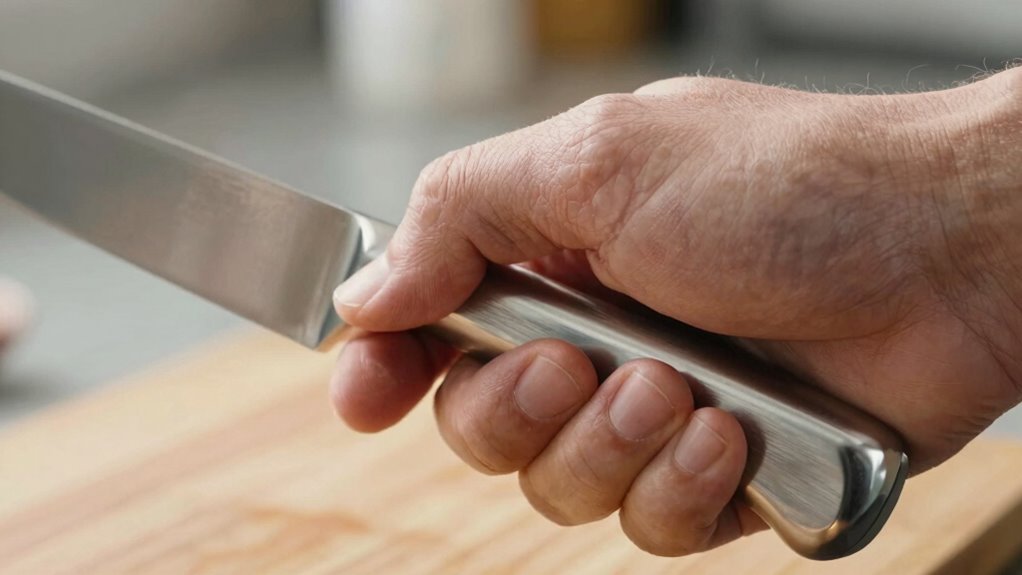
Mastering the claw grip is your best defense against knife injuries. You curl your fingers inward, tucking fingertips under your palm and resting food against your knuckles, which act as a barrier guiding the blade away from your fingers. Keep your thumb tucked behind, and use a gentle rocking motion for control. If you follow these steps and practice regularly, you’ll develop safe habits that protect your fingers—continue exploring for more expert tips to perfect your technique.

Get kitchen gear delivered free with Prime
- Fast, free delivery on millions of items
- Prime Video, Amazon Music and more included
- Member-only deals all year
Key Takeaways
- Curl fingers inward with fingertips tucked under the palm to create a protective barrier.
- Rest food against guiding knuckles facing the blade, keeping fingertips perpendicular to the cutting surface.
- Keep the thumb tucked behind fingers to prevent accidental slips.
- Use a relaxed grip and gentle rocking motion for precise, controlled cuts.
- Consistent practice reinforces muscle memory, reducing the risk of cuts during slicing.
As an affiliate, we earn on qualifying purchases.
Understanding the Claw Grip Technique
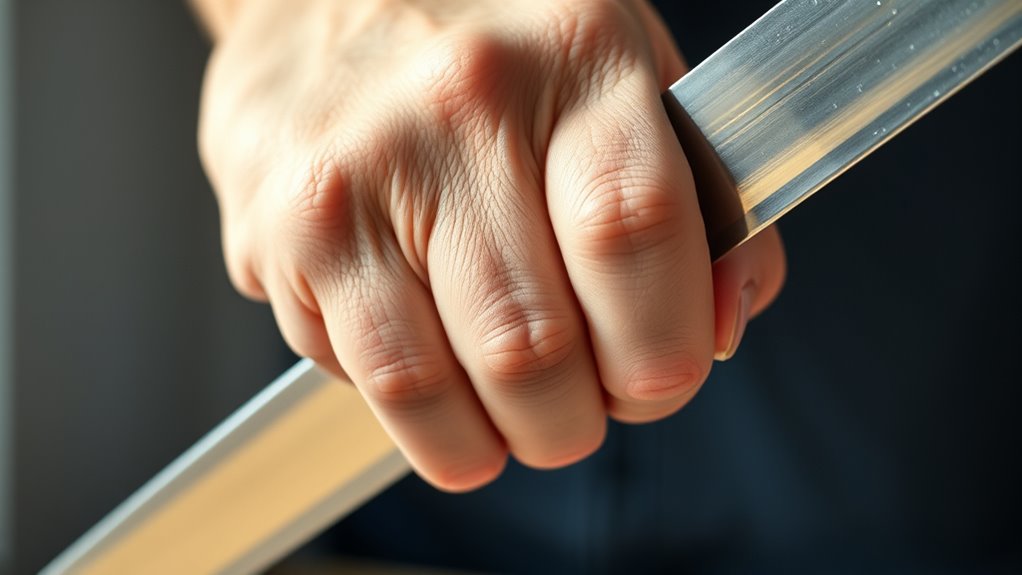
Understanding the claw grip technique is essential for safe and efficient chopping. You curl your fingers inward, tucking your fingertips under your palm to protect them from the blade. Your knuckles face forward, acting as a guide for the knife, helping you control your cuts. Your thumb tucks behind your fingers, creating a barrier that shields your fingertips from accidental slips. This grip forms a protective barrier, reducing the risk of cuts. Keep your fingertips perpendicular to the cutting board and maintain a relaxed claw shape with your middle finger at the forefront. This position allows you to stabilize the food securely while maintaining control. Mastering this technique ensures safer, more precise cuts, making your prep work faster and more confident. Additionally, practicing the Clove oil can help relax your hand muscles during repetitive chopping tasks, reducing fatigue and improving precision. Developing a consistent knife handling technique can further enhance safety and efficiency in your kitchen. Incorporating proper cutting techniques into your routine can also help prevent strain and injury over time. Paying attention to your hand positioning helps maintain proper form and prevents fatigue during extended chopping sessions, and practicing mindful technique consistency can lead to long-term safety improvements.
As an affiliate, we earn on qualifying purchases.
Step-by-Step Formation of the Claw Grip
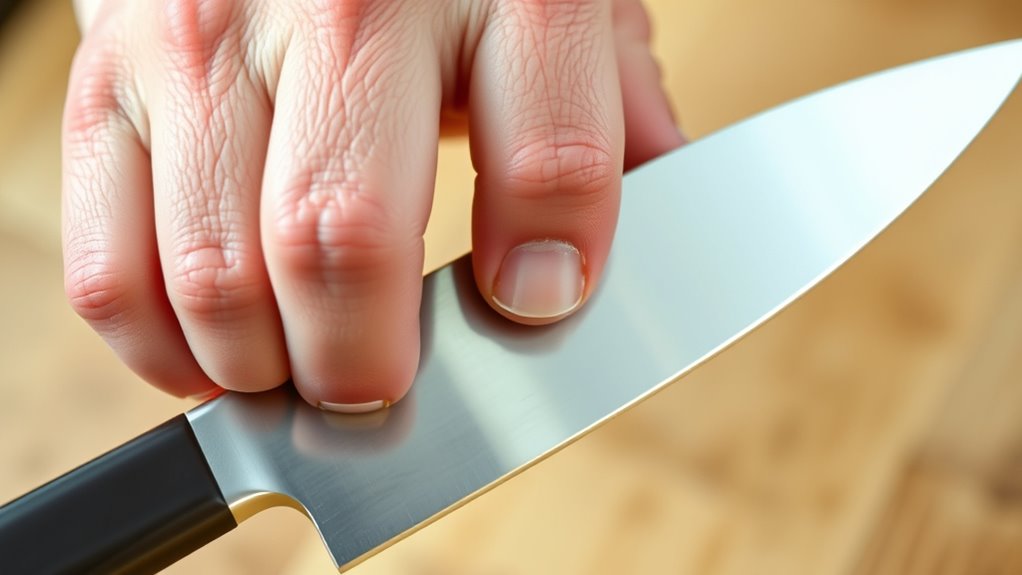
To form the claw grip correctly, start by curling your fingers inward and tucking your fingertips under your palm. Rest the food against your knuckles, which face forward toward the blade. Keep your thumb tucked behind your fingers for protection, creating a barrier between your fingertips and the knife. Position your middle finger so it’s in front, guiding the knife’s movement, with the other fingers supporting stability. Ensure your fingertips are perpendicular to the cutting board, not curled or splayed. Maintain a relaxed, firm claw shape, avoiding tension that causes fatigue. Practice gently rocking your hand back and forth, sliding the food closer to your guiding knuckles. With consistent practice, this formation becomes natural, ensuring safety and precision during cutting. Understanding how to use proper cutting techniques can further enhance safety and efficiency in your kitchen.
As an affiliate, we earn on qualifying purchases.
How the Claw Grip Enhances Safety
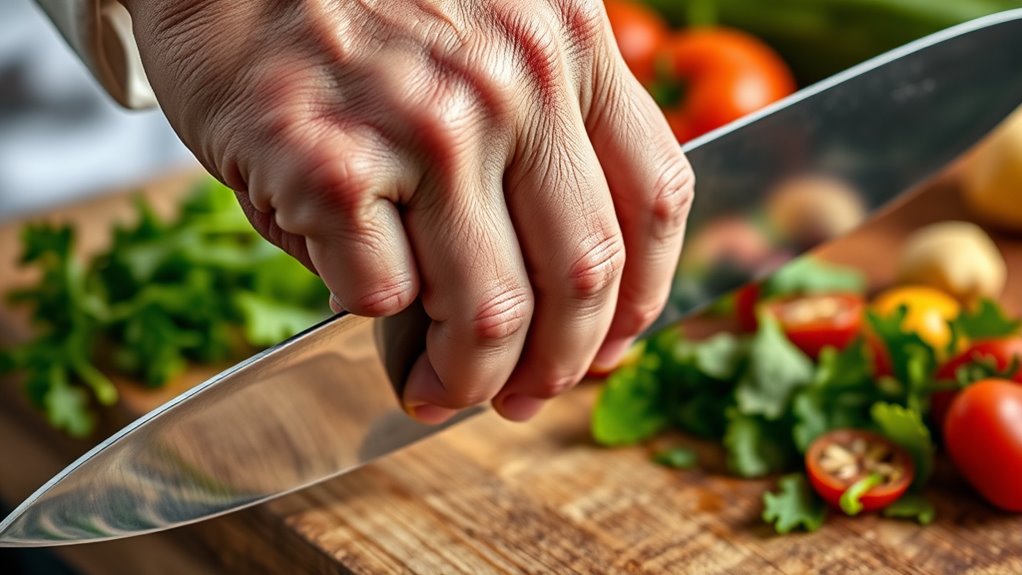
The claw grip considerably boosts safety by creating a physical barrier between your fingertips and the knife blade. By curling your fingers inward and tucking the tips under your palm, you guarantee your knuckles face the blade, guiding your cut. This positioning prevents your fingertips from ever being in the path of the knife. Here’s how it works:
| Benefit | Explanation |
|---|---|
| Knuckle Guidance | Knuckles act as a natural fence, steering the blade away from fingertips. |
| Finger Curling | Keeps fingertips safe and out of the cutting line. |
| Tucked Thumb | Protects the thumb behind fingers for added safety. |
| Reduced Slip Risk | Less chance of slipping or losing control. |
| Increased Confidence | Allows faster, more precise cuts without fear of injury. |
Mastering the claw grip makes your cutting safer, more controlled, and efficient. Proper technique is essential for developing consistent safety habits, especially considering the importance of safe cutting practices in preventing injuries. Additionally, understanding knife safety principles can further enhance your confidence and reduce the risk of accidents. Being aware of safety precautions when handling knives helps to reinforce safe habits during every cut. Practicing safe handling techniques regularly is key to maintaining and improving your safety skills.
As an affiliate, we earn on qualifying purchases.
Common Mistakes to Avoid When Using the Claw Grip
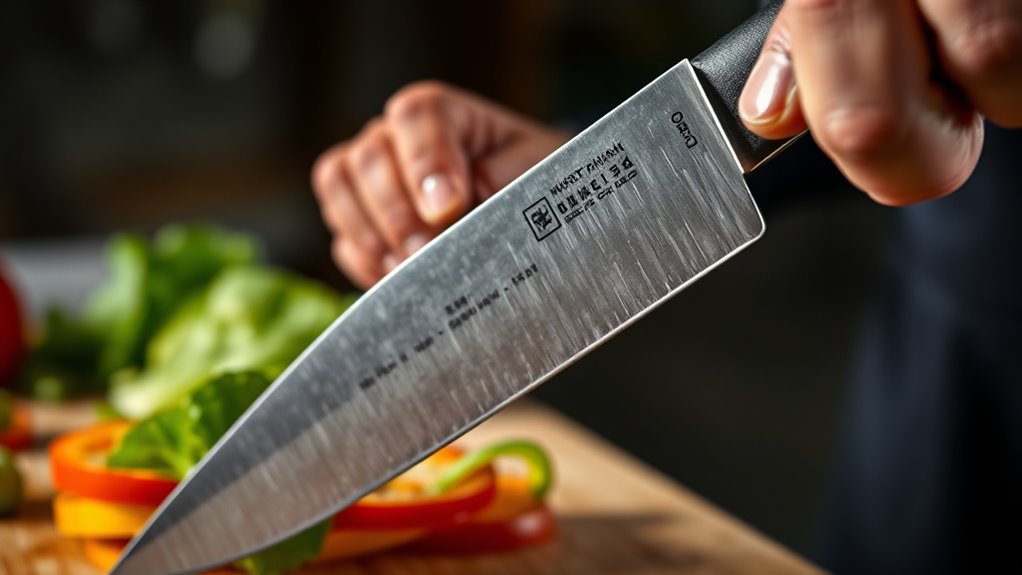
One of the most common mistakes people make when using the claw grip is holding vegetables with their knuckles instead of fingertips, which increases the risk of accidental cuts. To avoid this, make certain your fingertips are curled inward, with the pads tucked under your palm. Keep your knuckles facing the blade as a guide, not your fingertips. Tensing your grip can cause fatigue and reduce control, so stay relaxed. Also, don’t lift your wrist or expose your thumb; these can lead to slips or injuries. Be mindful to slide your hand back steadily as you cut, maintaining consistent contact with the knuckles. Rushing or skipping practice can lead to poor muscle memory, so take your time until the claw grip becomes automatic.
Practicing the Claw Grip for Muscle Memory
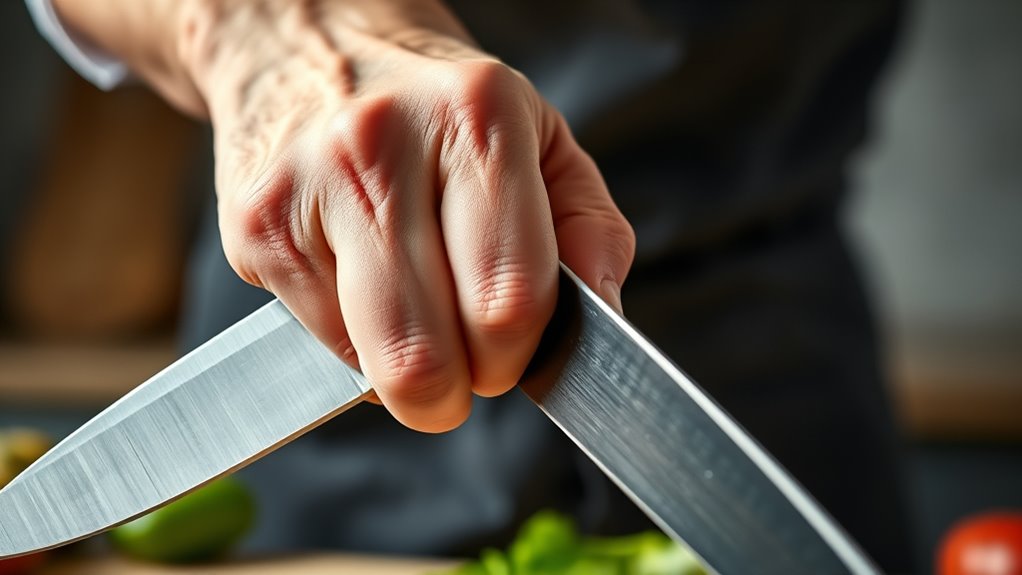
Practicing the claw grip regularly helps build muscle memory, making your cutting safer and more efficient. Focus on slow, deliberate repetitions, keeping your fingers curled and fingertips tucked under your palm. Rest your food against your knuckles and maintain a relaxed grip. Use a rocking motion with your knife, sliding it forward while lifting the back minimally. As you practice, pay attention to proper hand positioning, ensuring your knuckles guide the blade and your fingertips stay protected. Repeatedly practicing these movements helps your muscles automatically adopt the correct form, reducing hesitation and improving speed over time. Incorporate drills like slicing vegetables or resting your hand on a ball to reinforce muscle memory. Consistent practice is key to making the claw grip second nature, preventing injuries during real cuts.
Integrating the Claw Grip Into Your Cutting Routine
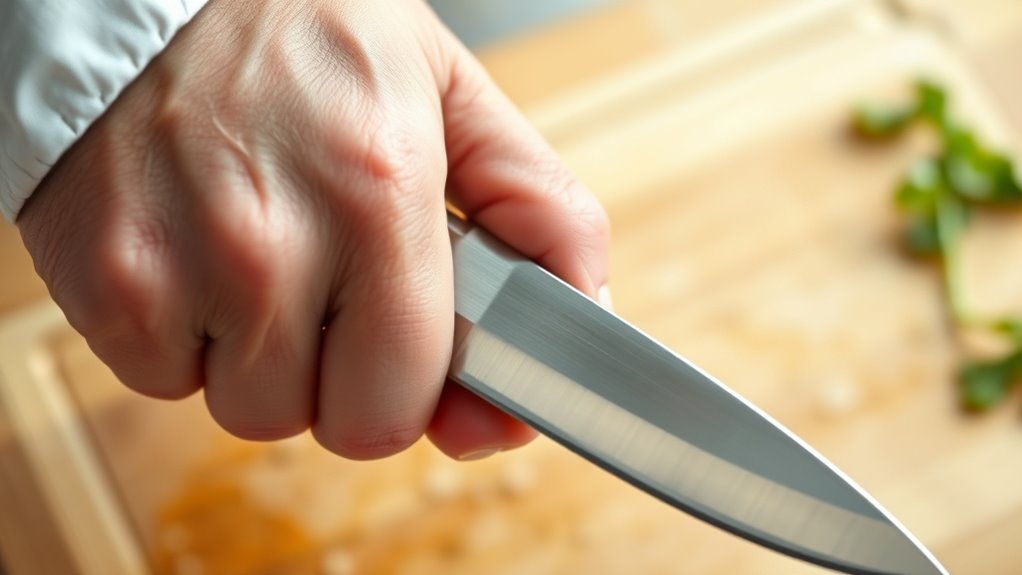
To effectively incorporate the claw grip into your routine, focus on maintaining consistent hand positioning with each cut. Prioritize safe cutting techniques by keeping your knuckles guiding the blade and your fingertips tucked away. As you practice, you’ll build muscle memory that makes the grip second nature, boosting both confidence and efficiency. Incorporating proper technique from reputable sources can further enhance your safety and skill development. Additionally, understanding the different cutting tools and their proper handling can prevent accidents and improve your overall proficiency. Practicing with quality knives designed for safety can also help reinforce proper grip techniques and reduce the risk of injury. Ensuring your workspace has an ergonomic setup, such as proper cutting surface height and comfortable grip, supports sustained safety and comfort during extended use. Regularly reviewing training tips can help maintain safe habits and improve your technique over time.
Consistent Hand Positioning
Integrating the claw grip into your cutting routine requires consistent hand positioning to build muscle memory and guarantee safety. Focus on maintaining the same curled finger position each time you hold food. Make sure your fingertips are tucked under your palm, with knuckles facing the blade as a guide. Keep your thumb behind your fingers to protect it from the knife’s edge. Rest your food against your knuckles, not fingertips, and keep your hand relaxed. Practice this position with every cut, whether slicing vegetables or meats. Consistency helps your muscles remember the correct form, reducing hesitation and accidental slips. Over time, this steady, deliberate hand placement becomes automatic, making your cutting safer and more efficient. Stay mindful of your hand’s position during each cut to reinforce safety habits.
Safe Cutting Techniques
Incorporating the claw grip into your daily cutting routine enhances both safety and efficiency. Always curl your fingers inward, tucking fingertips under your palm, so knuckles face the blade. Rest the food against your knuckles, guiding the knife with your knuckles rather than fingertips. Keep your thumb tucked behind your fingers for added protection. Use a controlled rocking motion, sliding the knife forward while lifting the back slightly. Maintain a relaxed grip, avoiding tension that can cause fatigue. Practice moving your hand steadily backward as you cut, ensuring even slices. Focus on keeping your fingertips curled and your knuckles as the guide. This consistent technique minimizes the risk of slips and cuts, making your cutting safer and more precise over time. Proper grip and technique are essential for preventing injuries and maintaining control during cutting tasks. Developing a consistent cutting rhythm can further improve safety and efficiency in your food prep. Additionally, understanding the importance of knife control can significantly reduce the likelihood of accidents. To support safe cutting practices, consider ergonomic tools that help reduce hand strain and improve grip stability.
Building Muscle Memory
Building muscle memory for the claw grip requires consistent, deliberate practice until the technique becomes second nature. Start by practicing the formation steps slowly, focusing on curling your fingers and tucking fingertips securely under your hand. Rest your food against your knuckles and keep your thumb tucked behind your fingers. Use a relaxed grip and maintain a steady rocking motion with your knife, guiding it with your knuckles. Repetition is key—slice vegetables like celery or carrots, gradually increasing speed as your control improves. Make a habit of practicing daily, even in short sessions. Over time, your hand will instinctively adopt the correct claw shape, reducing hesitation and increasing safety. Muscle memory will develop naturally, making the claw grip an automatic part of your cutting routine.
Tips for Maintaining Comfort and Precision
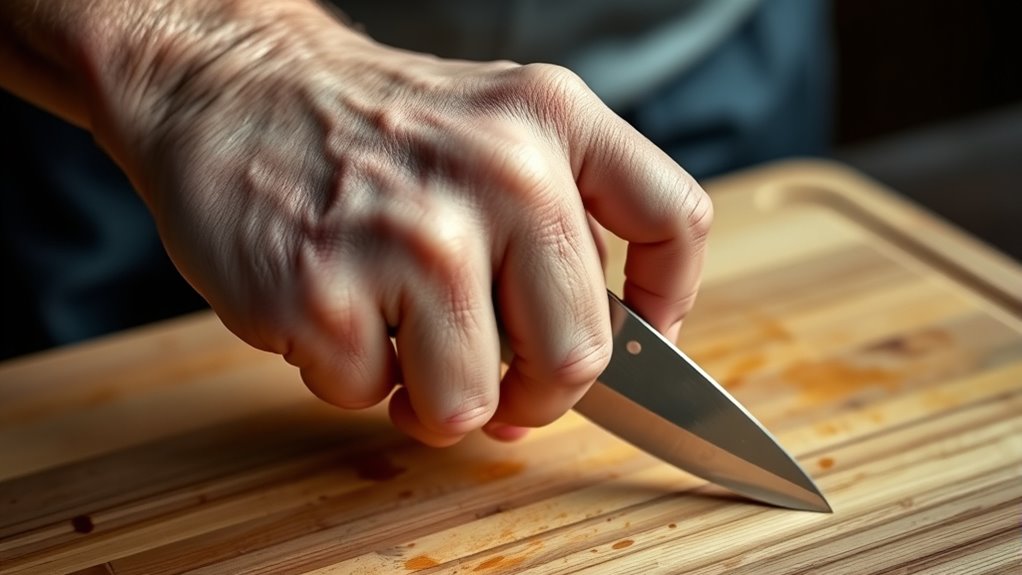
To maintain comfort and precision while using the claw grip, focus on keeping your hand relaxed and avoiding unnecessary tension. Tension causes fatigue and reduces control, so loosen your grip slightly and breathe steadily. Regularly check your hand position, ensuring your fingers stay curled and fingertips tucked under the knuckles. Use a light touch on the knife handle to prevent strain. Practice smooth, controlled motions, emphasizing consistent pressure. Here’s a quick visual guide:
| Relaxation Tips | Hand Position | Cutting Technique |
|---|---|---|
| Breathe evenly | Keep fingertips tucked | Use gentle, steady pressure |
| Loosen grip slightly | Maintain claw shape | Move smoothly, not hurried |
| Take breaks | Rest hand if tired | Focus on precision over speed |
Developing proper knife grip techniques is fundamental to preventing injuries and improving overall control. Additionally, understanding the flat iron bike concept can help in maintaining ergonomic hand positioning during prolonged use, reducing fatigue and injury risk. Proper hand positioning, similar to the careful ethnicity awareness in sports, can enhance safety and accuracy, especially during extended use. Mastering comfort enhances safety and accuracy.
Frequently Asked Questions
Can the Claw Grip Be Used With All Types of Knives?
Yes, you can use the claw grip with most types of knives, but it’s especially effective with chef’s knives, paring knives, and utility knives. For larger or specialized knives, like cleavers or serrated blades, you might need to modify your grip slightly for better control and safety. Always guarantee your fingers stay curled and protected, regardless of the knife type, to minimize the risk of injury.
How Long Does It Typically Take to Master the Claw Grip?
It usually takes a few weeks of consistent practice to master the claw grip. You’ll want to dedicate time daily to drills, focusing on relaxed fingers and smooth rocking motions. As you repeat, muscle memory develops, making your cuts safer and more confident. Don’t rush—patience and repetition are key. With persistent effort, you’ll find the grip becomes second nature, markedly reducing your risk of injury.
Is the Claw Grip Suitable for Professional Chefs?
A stitch in time saves nine, so yes, the claw grip is suitable for professional chefs. It provides unmatched safety and control, essential in busy kitchens. With practice, you’ll find it enhances precision and reduces injuries. Chefs often master it quickly because it becomes second nature, helping them work confidently and efficiently. Incorporating the claw grip into your routine ensures safer, more effective cutting, no matter your skill level.
What Are Signs I’M Using the Grip Incorrectly?
You’re using the grip incorrectly if your fingertips stick out, your knuckles don’t face the blade, or your hand tenses up. If you notice your wrist is raised or you’re struggling to control the knife smoothly, that’s a sign you need to adjust. Also, if your grip feels uncomfortable or causes fatigue quickly, it’s time to reassess your technique. Keep practicing until your hand feels relaxed and secure.
Can the Claw Grip Help With Slicing Soft or Delicate Foods?
Yes, the claw grip helps with slicing soft or delicate foods. It keeps your fingertips curled inward, providing a protective barrier while maintaining control. You can gently press the food against your knuckles, which act as a guide, preventing the knife from slipping and damaging the food. Keep your hand relaxed, and use smooth, gentle motions. With practice, you’ll find it easier to slice even the most fragile ingredients safely and precisely.
Conclusion
Mastering the mighty claw grip transforms your cutting craft, minimizing mishaps and maximizing mastery. By practicing patience and perfecting your position, you’ll protect your fingers and promote precision. Remember, consistent commitment creates confidence and consistency. So, seize the skill, stay safe, and sharpen your slicing skills daily. With dedication and determination, you’ll develop a dependable, disaster-proof technique, turning knife handling into a confident, controlled craft. Your safer, smarter slicing starts with the simple, steady claw grip.
Fall Picks
fall essentials
As an affiliate, we earn on qualifying purchases.